
Resources

From basics to mass production—standardized workflows, real production data, demo videos, and driver/ICC downloads.

Featured

DTG Pre-treatment Basics

Master spray amount, drying and curing windows to avoid yellowing and bleeding. Includes quick checklist and troubleshooting for cotton/ CVC. ...
Reactive R2R Dual-lane Throughput (Pakistan)

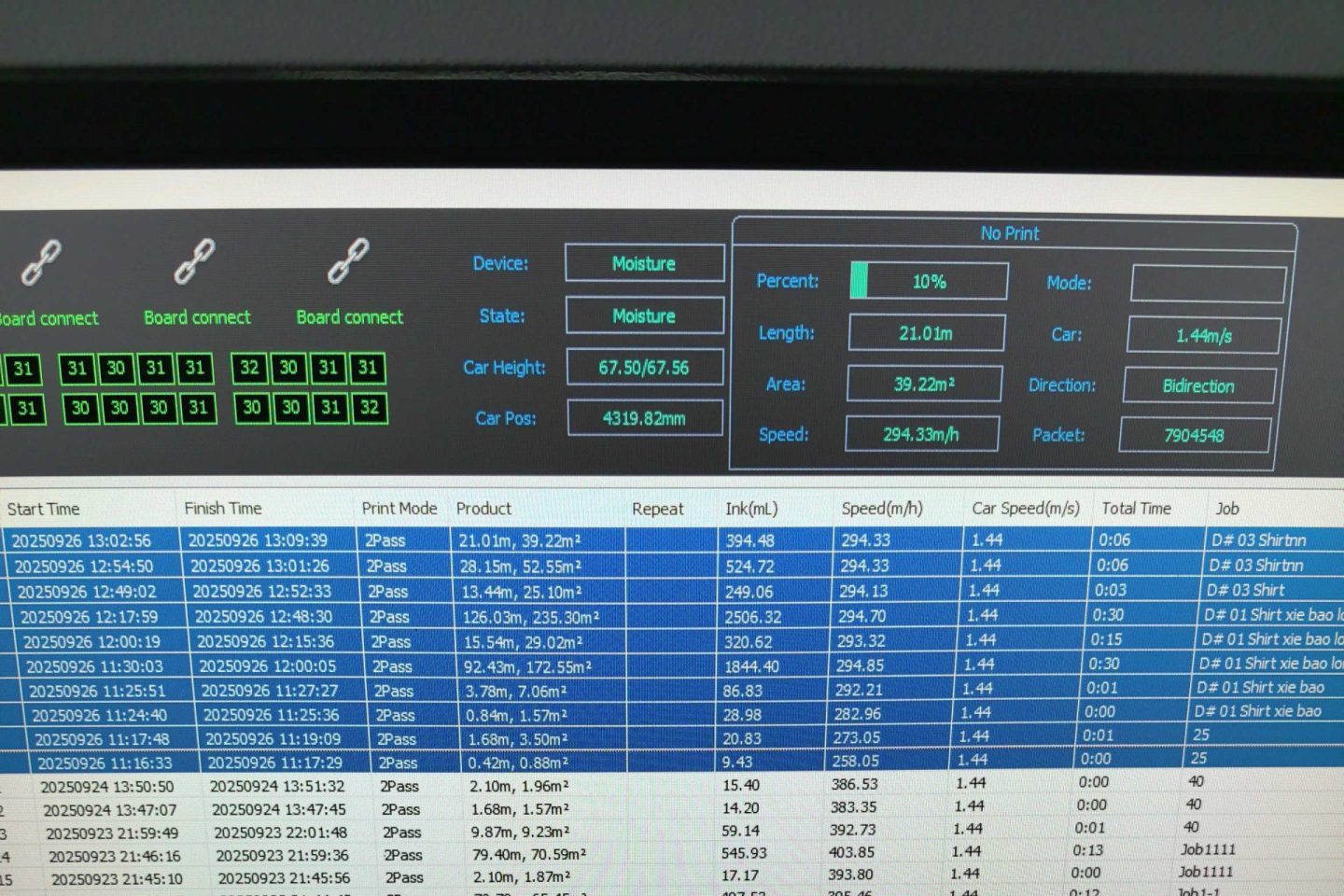
Measured line speed 294 m/h with two 1.1 m rolls printing different patterns. Area throughput ≈ 646.8 m²/h under full-coverage assumption. ...
DTG Dual-Platen Takt Optimization: 60–90 → 95–130 pcs/h

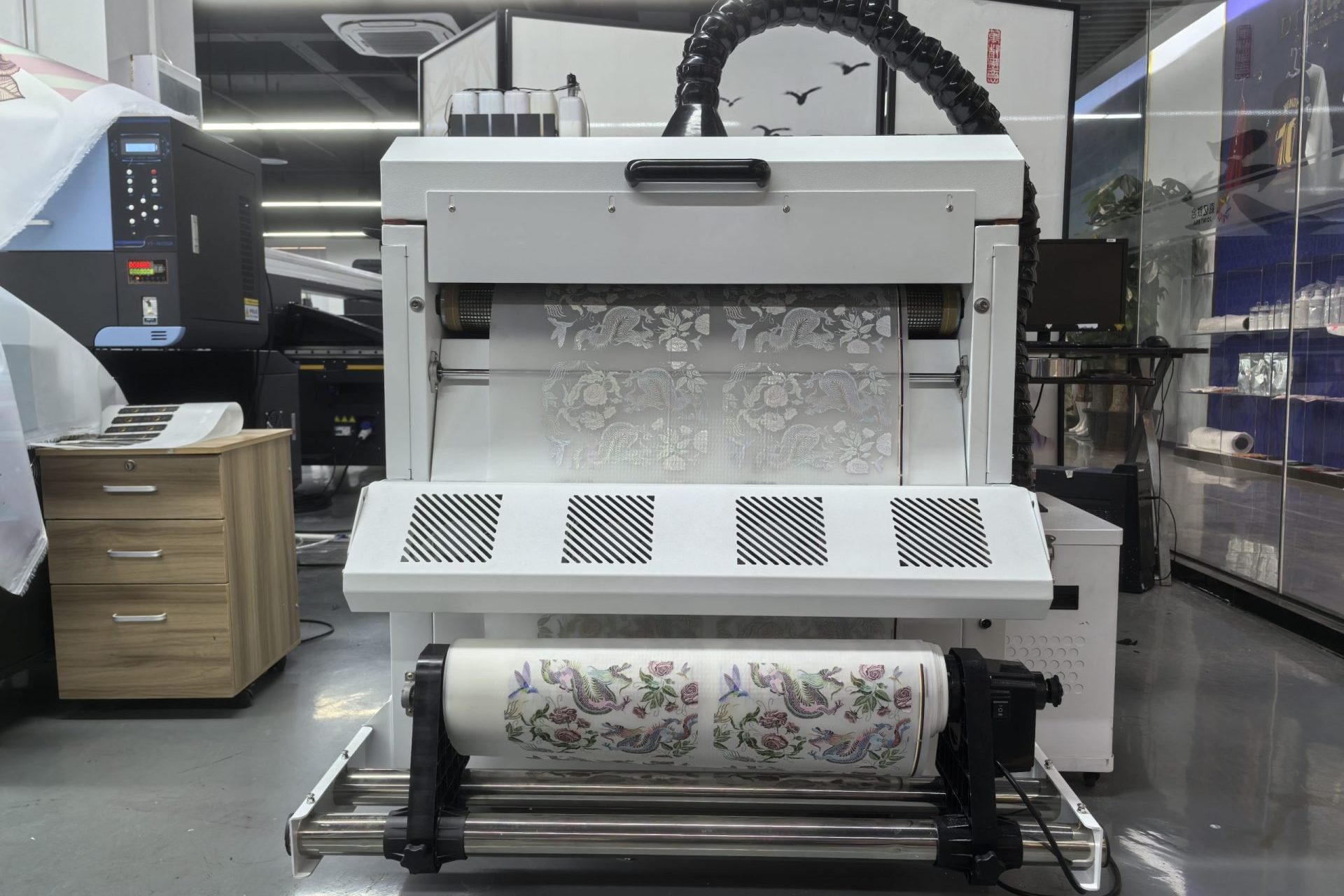
Parallel load/unload, curing path re-layout and curve unification lift takt; includes A4 40–70% coverage reference ...

DTF Printing & Heat-Transfer Workflow

RIP→Print (CMYK+W)→Powder→Cure→Cold/Hot peel→Press; temperature/time/pressure linkage and common defects ...
DTF Powder Size & Curing Window Guide

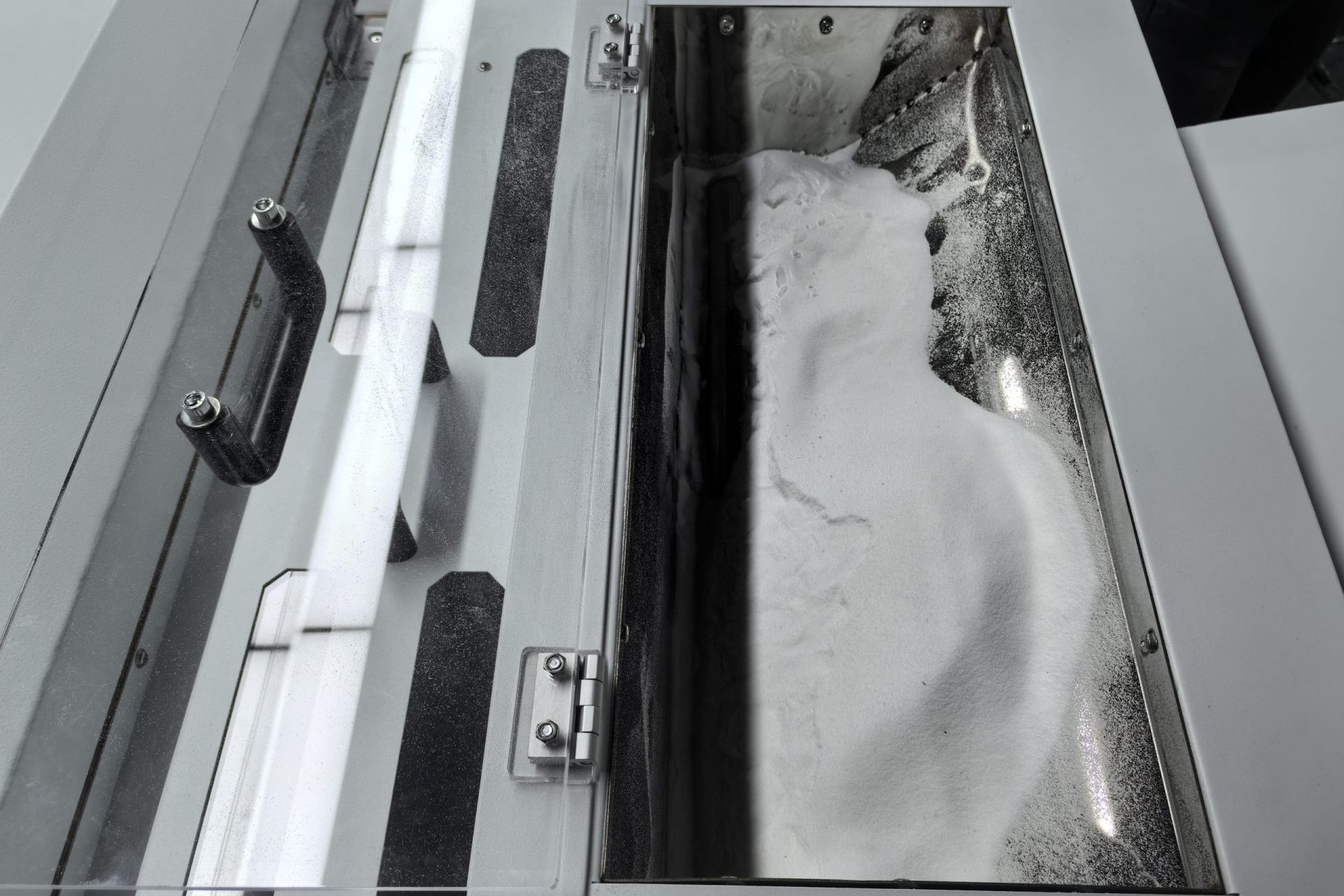
Choose powder size by image detail and fabric stretch; tune curing temperature/time curves for wash-fastness and hand-feel ...
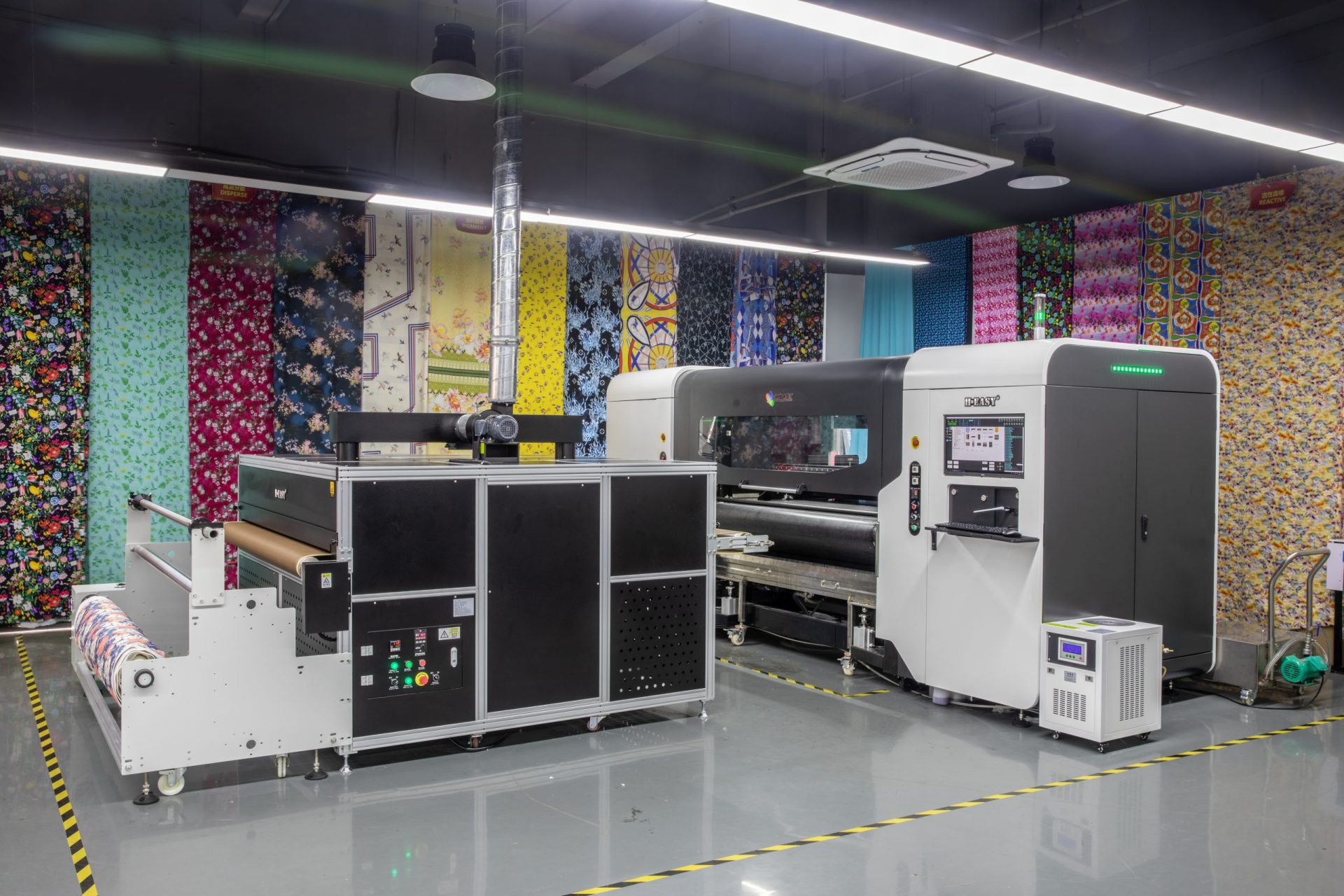
R2R Production Setup Checklist & Lot-to-Lot Color Control

Critical checks across pretreat, steaming/washing and drying; ΔE tolerances from sampling to mass production with retain samples. ...

Guides

Technical Playbooks

DTG / DTF / R2R workflows and parameter windows—from setup to mass production for stable throughput and quality.

DTG Pre-treatment Basics

Master spray, drying and curing windows to prevent yellowing and bleeding on cotton/CVC. Includes quick checklist and troubleshooting ...

DTF Printing & Heat-Transfer Workflow

RIP → Print (CMYK+W) → Powder → Cure → Cold/Hot peel → Press, with linked parameters and common defect map ...

R2R Reactive Setup Essentials

Pretreat → Print (2-pass) → Steam → Wash → Dry. Includes area throughput formula, ΔE tolerances and retain-sample rules ...

Frequently Asked Question

Quick, practical answers on setup, process windows, color, and maintenance so you can start fast and scale with confidence.

DTG: Best for on-demand pieces and cotton/CVC; needs pretreatment + thermal cure.

DTF: Broad fabric compatibility and fast heat-transfer workflow; uses powder, oven and press.

R2R: Continuous high-volume for home textile/fabrics; requires full finishing (steam/wash/dry).
Tip: Decide by order profile, substrate, takt time, finishing capability; hybrid setups are common.

Nominal: m²/h = line speed × effective width × lanes.

Effective: nominal × coverage × (1−margin/repeat) × (1−rework) × OEE.

Example: 294×1.1×2 = 646.8 m²/h (full coverage).
Use the online calculator with your coverage & OEE for realistic figures.

Spray 8–18 g/m²; dry 120–140°C × 2–4 min; white-ink cure 150–160°C × 90–120 s.

Fixes: reduce dosage, extend drying, check fabric chemistry, replace release sheet.

Keep 20–25°C, RH 45–60% and stable press pressure/time.

Press: 150–165°C for 12–18 s, 0.25–0.35 MPa. Cold-peel for detail; hot-peel for speed/large fills.

Powder: fine for sharp edges; medium for stability on large solids.

Curing: tune oven curve; under-cure = tacky/poor wash; over-cure = brittle/chipping.

Agitate/recirculate, shake periodically, run daily nozzle checks.

Seal caps overnight; for long downtime, perform preservation flush.

Keep filtration and meniscus pressure in spec; 20–25°C, 45–60% RH.

For banding: clean → feed calibration → bi-dir alignment → pass/interlace tweaks.

Typical lead: 1–4 weeks for stock, 1–3 days installation/commissioning, 1–2 days training. R2R requires joint run with steaming/washing/drying—plan 1–2 weeks for ramp-up.

Prepare power/exhaust/environment/network and consumables before delivery.

Chat with us 👋