
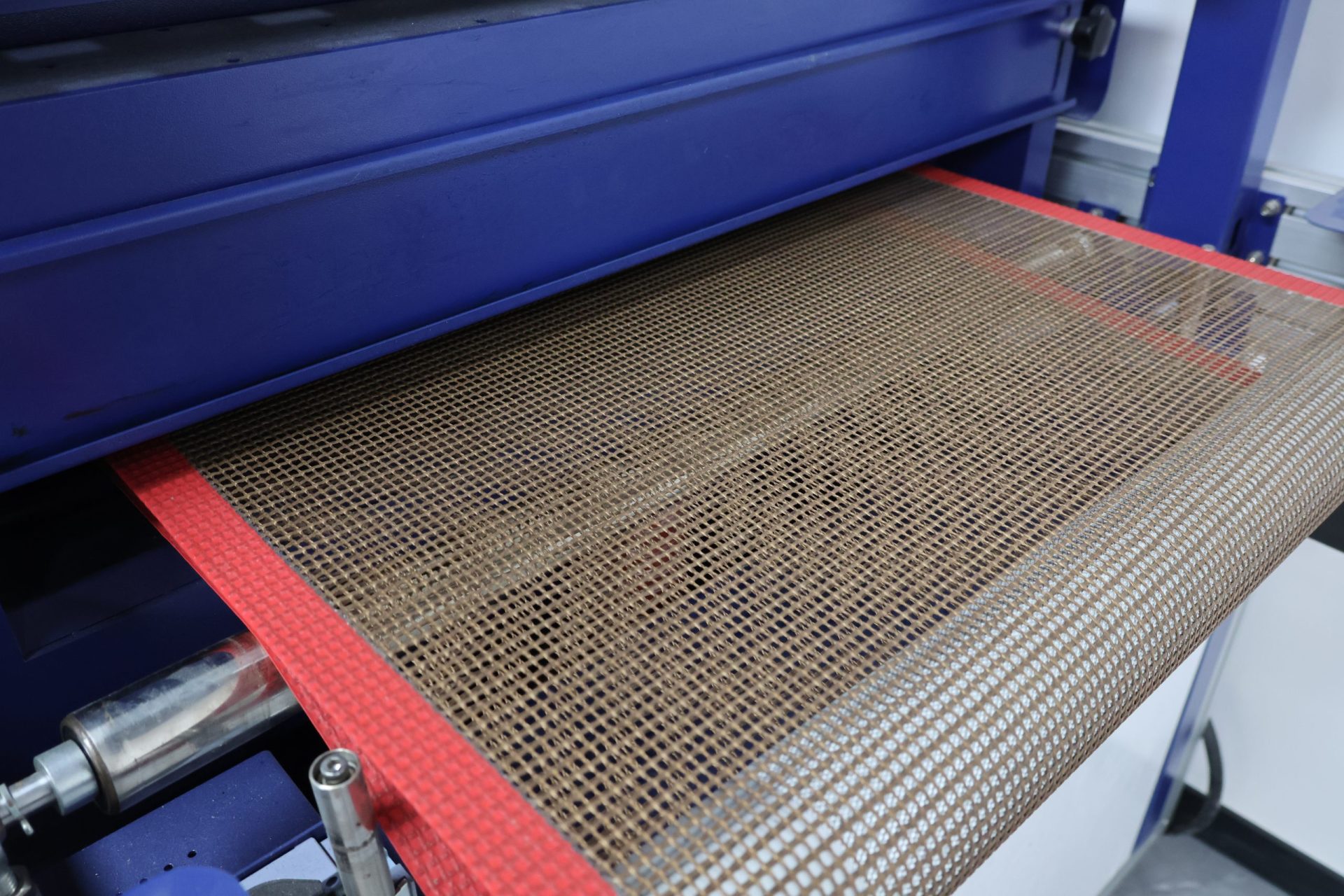
DTG Pre-treatment Basics
Master spray amount, drying and curing windows to avoid yellowing and bleeding. Includes quick checklist and troubleshooting for cotton/ CVC. ...
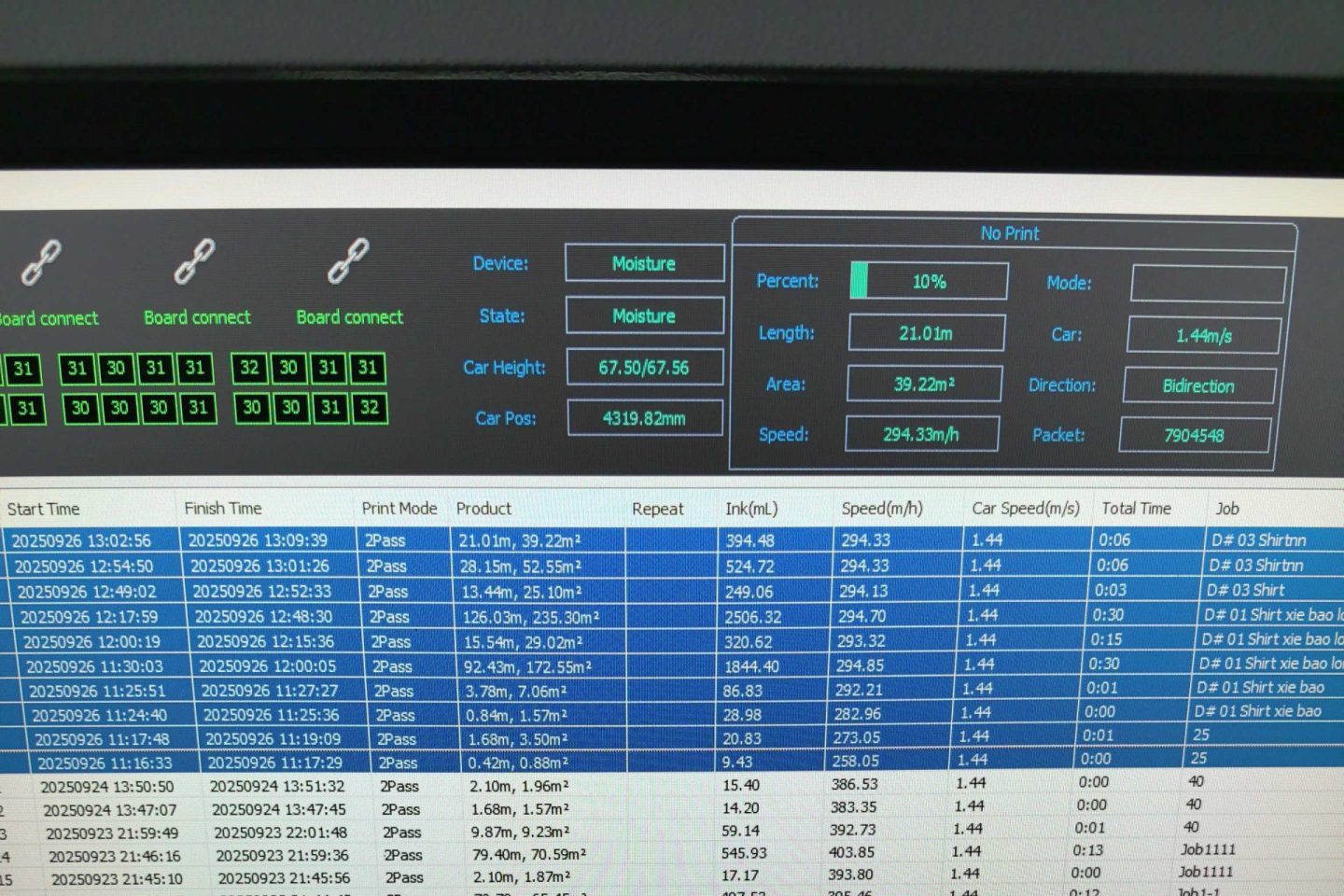
Reactive R2R Dual-lane Throughput (Pakistan)
Measured line speed 294 m/h with two 1.1 m rolls printing different patterns. Area throughput ≈ 646.8 m²/h under full-coverage assumption. ...
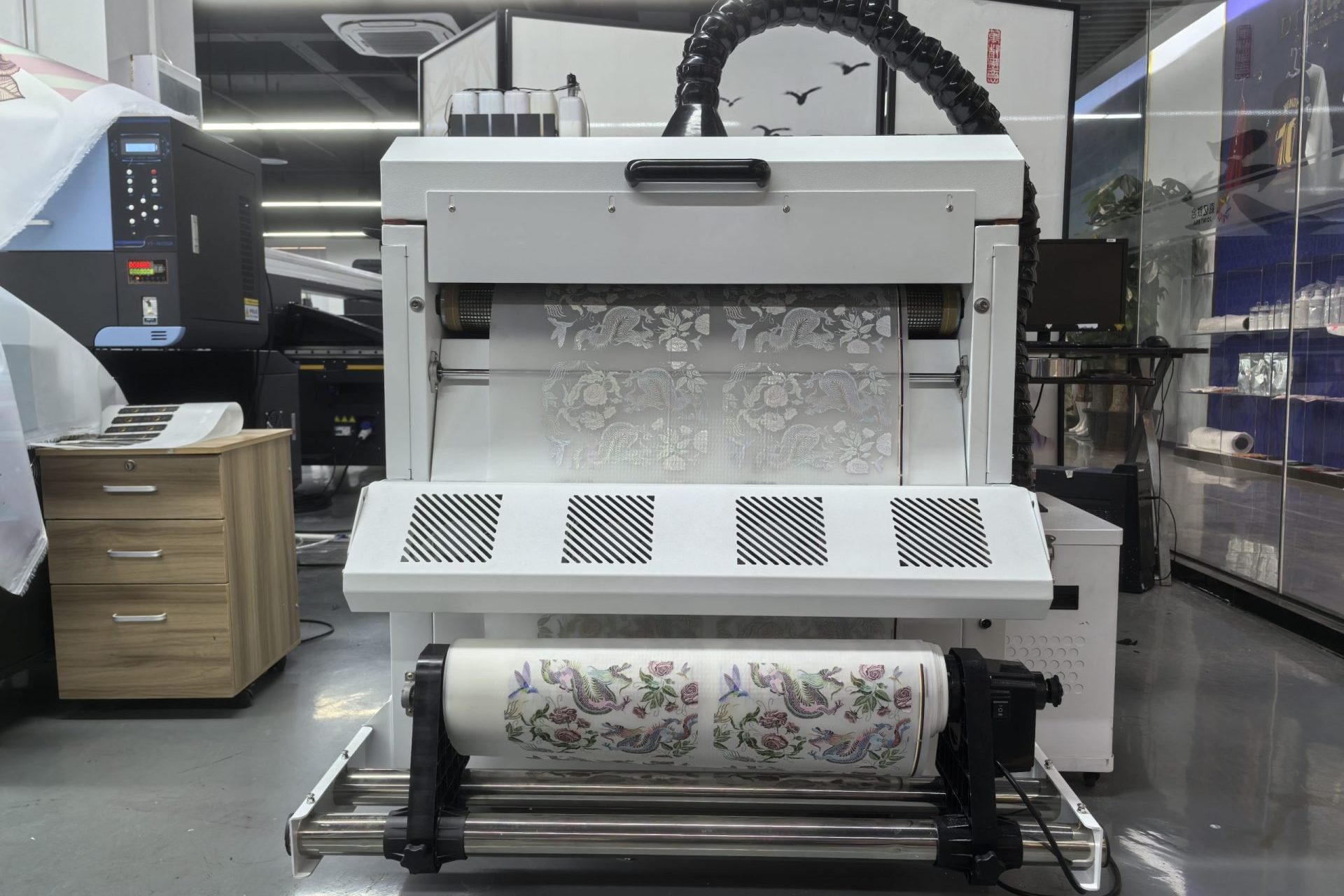
DTG Dual-Platen Takt Optimization: 60–90 → 95–130 pcs/h
Parallel load/unload, curing path re-layout and curve unification lift takt; includes A4 40–70% coverage reference ...
DTF Printing & Heat-Transfer Workflow
RIP→Print (CMYK+W)→Powder→Cure→Cold/Hot peel→Press; temperature/time/pressure linkage and common defects ...
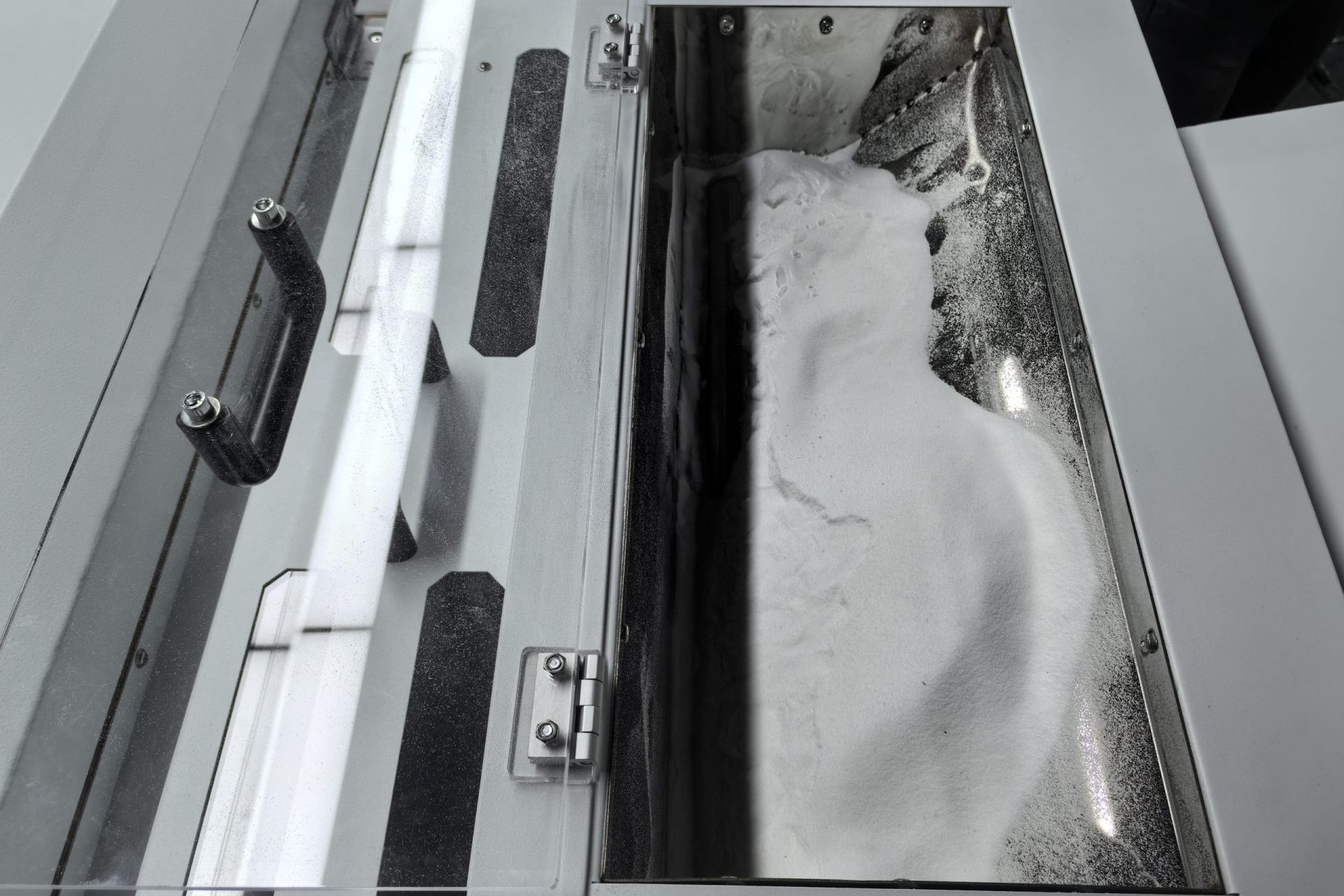
DTF Powder Size & Curing Window Guide
Choose powder size by image detail and fabric stretch; tune curing temperature/time curves for wash-fastness and hand-feel ...
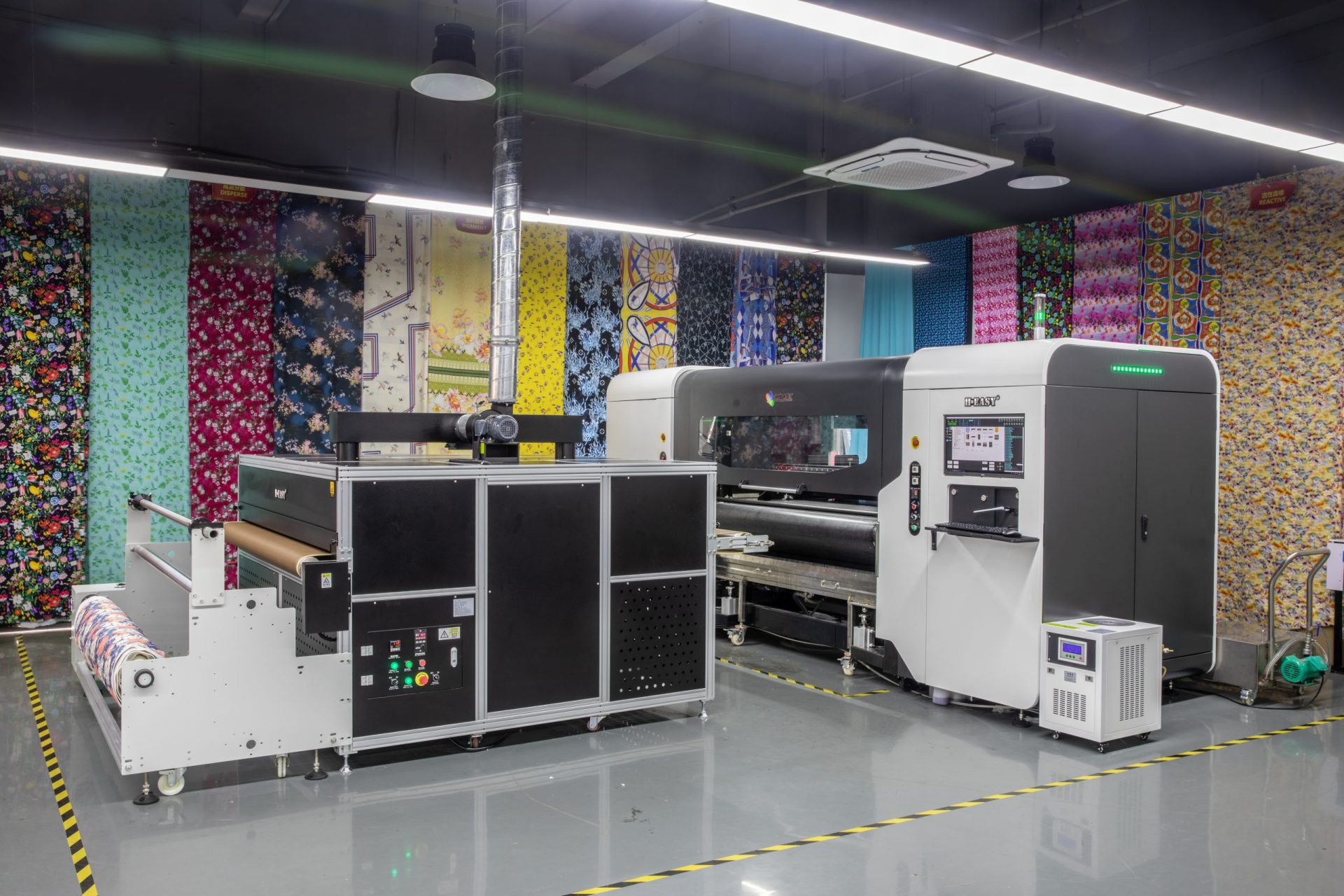
R2R Production Setup Checklist & Lot-to-Lot Color Control
Critical checks across pretreat, steaming/washing and drying; ΔE tolerances from sampling to mass production with retain samples. ...
DTG Pre-treatment Basics
Master spray, drying and curing windows to prevent yellowing and bleeding on cotton/CVC. Includes quick checklist and troubleshooting ...
DTF Printing & Heat-Transfer Workflow
RIP → Print (CMYK+W) → Powder → Cure → Cold/Hot peel → Press, with linked parameters and common defect map ...
R2R Reactive Setup Essentials
Pretreat → Print (2-pass) → Steam → Wash → Dry. Includes area throughput formula, ΔE tolerances and retain-sample rules ...