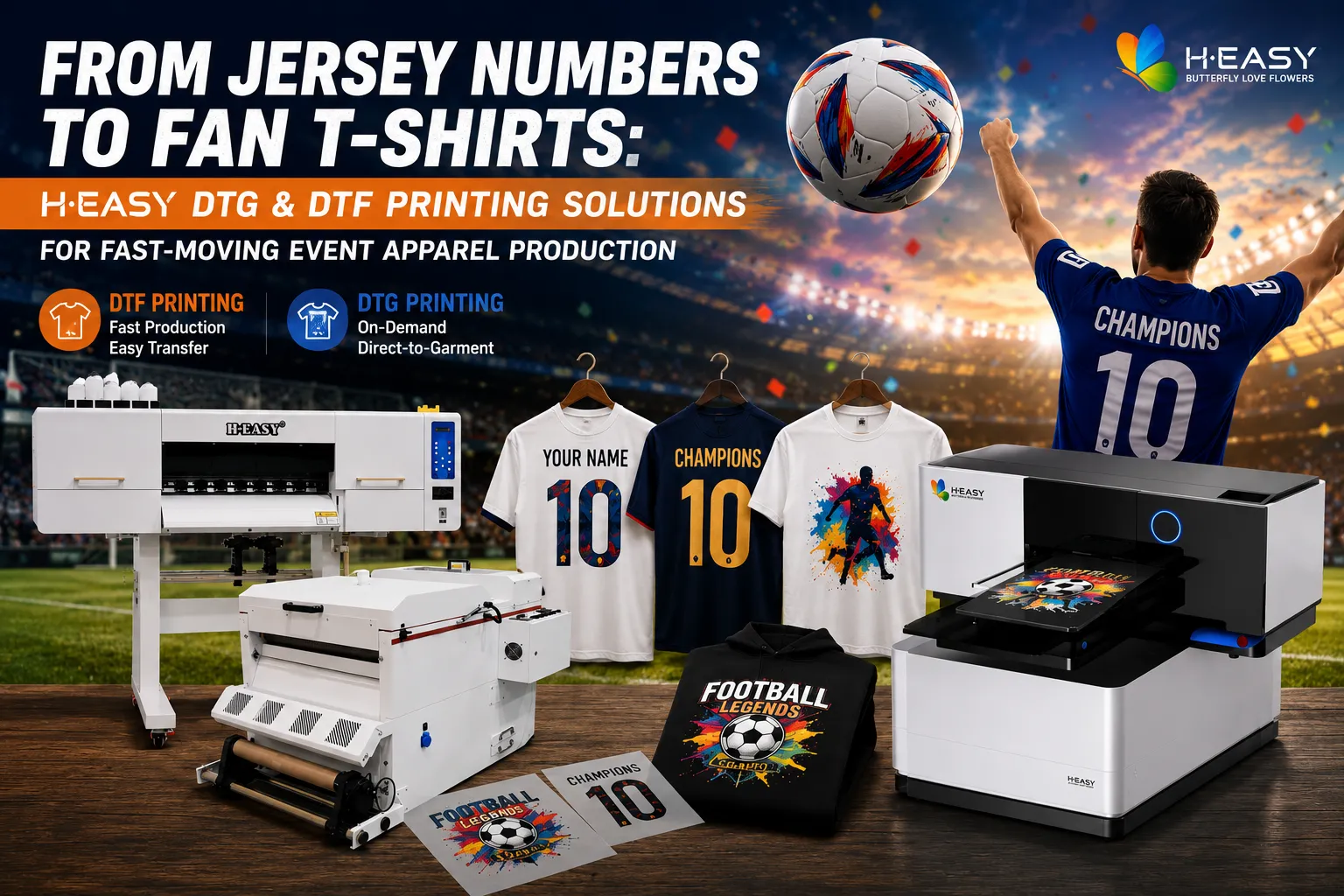
The demand for personalized apparel continues to grow rapidly, making Direct-to-Garment (DTG) printing one of the most attractive opportunities for entrepreneurs in the custom apparel industry.
Unlike traditional printing methods that require screens or complex setup, DTG printing allows designs to be printed directly onto garments using advanced inkjet technology. This makes it possible to produce high-quality prints with rich colors and fine details—even for single pieces or small batches.
From startup streetwear brands to online print-on-demand stores, many businesses are leveraging DTG technology to build scalable apparel brands with relatively low initial investment.
If you are considering entering the custom apparel market, this guide explains how to start a DTG printing business in 2026, including equipment selection, startup costs, marketing strategies, and long-term growth planning.
What Is DTG Printing?
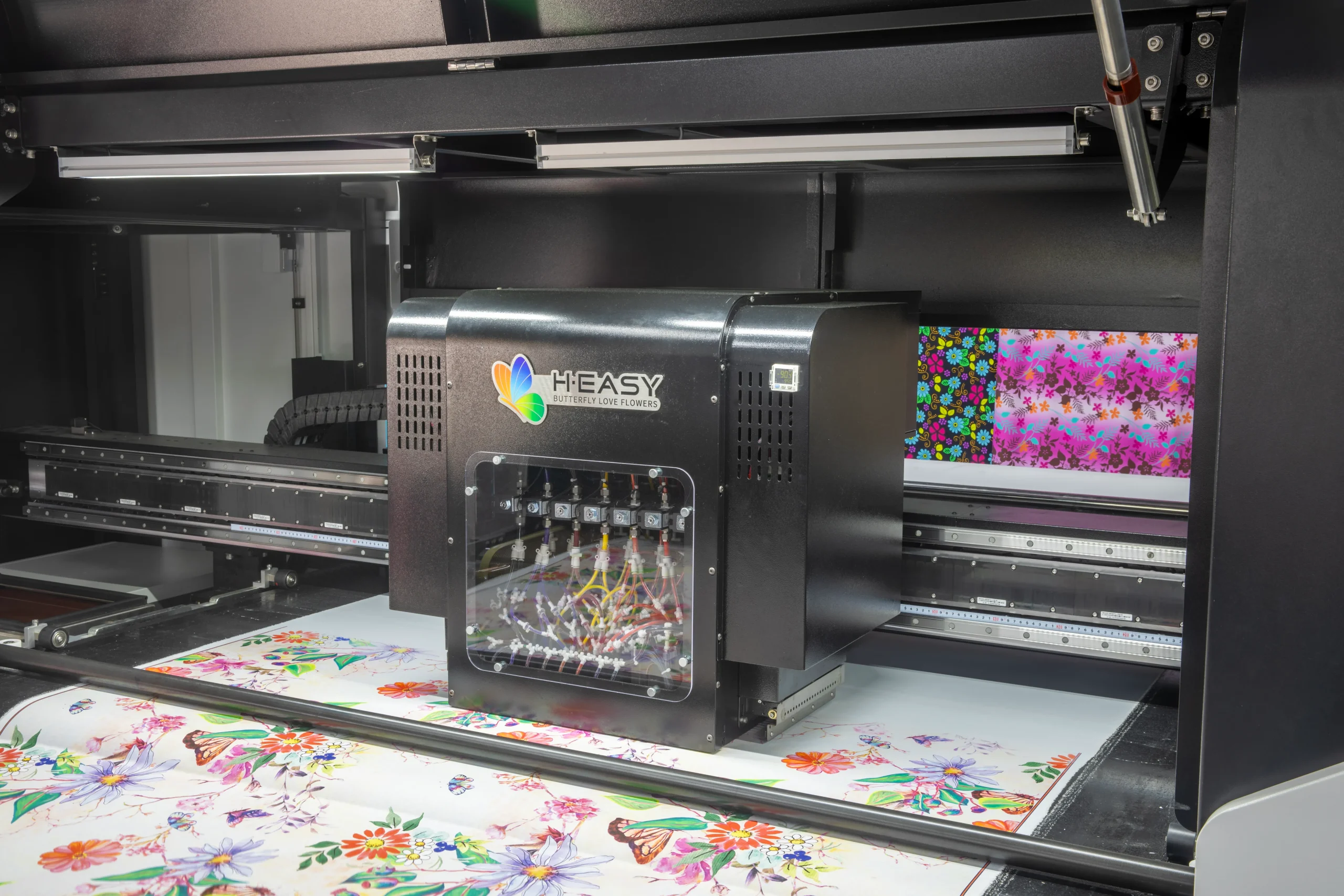
DTG (Direct-to-Garment) printing is a digital printing process that applies water-based inks directly onto fabric using specialized inkjet printers.
Instead of printing onto transfer films or using screens, DTG printers spray ink directly onto the garment surface. The ink is then cured with heat to ensure durability.
This method offers several advantages:
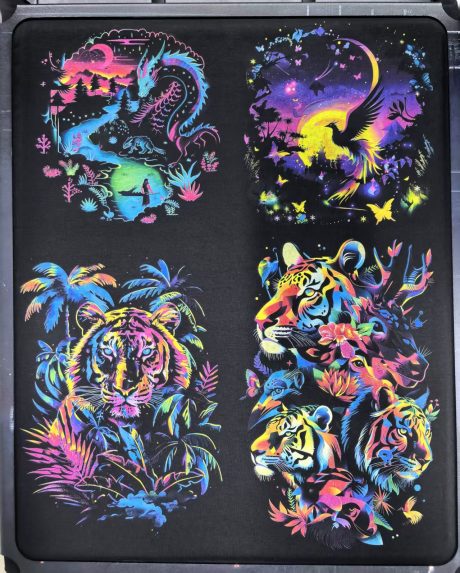
High-resolution image printing
Excellent color gradients and fine details
No screen setup required
Ideal for small orders and custom designs
Soft hand feel on garments
Because of this flexibility, DTG printing has become a popular solution for custom apparel businesses and online merchandise stores.
DTG vs Other Apparel Printing Methods
Several printing technologies are used in the garment decoration industry. Each method has its strengths depending on production scale and design complexity.
| Printing Method | Best For | Key Characteristics |
|---|---|---|
| DTG Printing | Small batches and detailed artwork | No setup required, high detail |
| Screen Printing | Large production runs | Low cost per unit but requires screens |
| DTF Printing | Multi-material applications | Designs printed on film then transferred |
For startups, DTG printing is particularly attractive because it eliminates large minimum orders and reduces inventory risk.
Why DTG Printing Is a Strong Business Opportunity in 2026
The global custom apparel market continues to expand due to several factors:
Growth of e-commerce and print-on-demand platforms
Increased demand for personalized fashion
Expansion of small independent clothing brands
Rising popularity of limited-edition merchandise
DTG printing fits perfectly into this trend because it allows businesses to produce apparel only when orders are received, reducing storage costs and unsold inventory.
Entrepreneurs can sell:
Custom T-shirts for events
Streetwear designs
Corporate merchandise
Personalized gifts
Online print-on-demand apparel
Step-by-Step Guide to Starting a DTG Printing Business
1. Identify Your Market Niche
A clear niche helps new businesses stand out in a competitive market.
Popular niches include:
Streetwear brands
Pet-themed apparel
Local community merchandise
Event and promotional clothing
Corporate branding products
Defining a specific audience allows you to create targeted designs and marketing strategies.
2. Set Up Your Printing Workspace
A basic DTG production setup typically includes:
A DTG printer
A pretreatment machine
A heat press
Graphic design software
Blank apparel inventory
The workspace does not need to be large, but it should be clean, well-ventilated, and organized to ensure consistent printing quality.
Efficient workflow—from pretreatment to printing and curing—helps avoid production errors and delays.
3. Choose the Right DTG Printer
Selecting the right printer is one of the most important decisions when starting a DTG printing business.
Key factors to consider include:
Print speed
Color accuracy
White ink capability
Maintenance requirements
Ink consumption cost
Entry-level entrepreneurs often start with compact printers, while growing businesses may invest in high-performance machines for larger production volumes.
Estimated Startup Costs
The cost of starting a DTG printing business varies depending on equipment and production scale.
| Equipment | Estimated Cost |
|---|---|
| DTG Printer | $10,000 – $20,000 |
| Heat Press | $500 – $2,000 |
| Pretreatment Machine | $1,500 – $4,000 |
| Blank Apparel Inventory | $1,000 – $2,500 |
| Design Software | $200 – $500 |
| Website Setup & Branding | $300 – $1,000 |
Overall startup investment typically ranges between $13,500 and $30,000.
This relatively moderate entry cost makes DTG printing accessible to many entrepreneurs.
Designing and Launching Your First Products
Once your equipment is ready, the next step is creating your first product line.
A good strategy is to start with:
5–10 core designs
A small selection of garment colors
High-quality product photos
Testing different styles and designs helps identify which products resonate most with your target audience.
Profit Potential of a DTG Printing Business
DTG printing businesses can achieve strong profit margins when managed efficiently.
For example:
Average production cost per shirt: $5–$8
Retail price: $18–$30
Potential profit per unit: $10–$20
Profitability increases further when businesses develop strong branding and repeat customers.
Bulk corporate orders and event merchandise can also significantly boost revenue.
Marketing Strategies for Growing Your Brand
Marketing plays a critical role in the success of a DTG printing business.
Effective strategies include:
Social Media Marketing
Platforms like Instagram, TikTok, and Facebook allow brands to showcase designs and printing processes.
Content Marketing
Blog posts and SEO content help attract organic traffic to your website.
Influencer Partnerships
Collaborating with creators can expand brand reach and credibility.
Email Marketing
Customer newsletters help maintain engagement and encourage repeat purchases.
A combination of these strategies helps build a recognizable brand identity.
Scaling Your DTG Printing Business
As demand grows, businesses can expand by:
Adding additional DTG printers
Offering new products such as hoodies or tote bags
Introducing DTF or embroidery services
Hiring production or marketing staff
Partnering with online marketplaces
Scaling gradually allows businesses to maintain quality while increasing production capacity.
Common Challenges in DTG Printing
While DTG printing offers many advantages, businesses should be prepared for several challenges.
Print Quality Control
Proper pretreatment and high-quality fabrics are essential for vibrant prints.
Printer Maintenance
Regular cleaning prevents ink clogging and ensures stable performance.
Market Competition
Standing out requires strong branding, unique designs, and excellent customer service.
By maintaining consistent quality and clear communication with customers, these challenges can be effectively managed.
Future Trends in DTG Printing
Looking ahead, several innovations are shaping the future of the DTG industry.
AI-Assisted Design
Artificial intelligence tools can help generate artwork and optimize color schemes.
Sustainable Printing
Eco-friendly inks and organic fabrics are becoming increasingly important to consumers.
Print-on-Demand Production
On-demand manufacturing reduces inventory risk and improves cash flow.
E-Commerce Integration
Platforms like Shopify and Etsy make it easier for DTG brands to reach global customers.
Businesses that adapt to these trends will gain a competitive advantage in the coming years.
Conclusion
Starting a DTG printing business in 2026 presents an exciting opportunity for entrepreneurs interested in the custom apparel industry.
With relatively low startup costs, flexible production capabilities, and strong demand for personalized products, DTG technology makes it possible to build a profitable apparel brand from the ground up.
By choosing reliable equipment, focusing on high-quality prints, and developing a strong marketing strategy, your DTG printing business can grow from its first printed T-shirt into a scalable and profitable brand.