Why DTF Printing Is Transforming the Custom Apparel Industry
The global demand for personalized apparel and textile products continues to rise. From custom sports jerseys and fashion denim jackets to branded canvas bags and promotional merchandise, businesses are seeking printing solutions that can deliver vibrant colors, durable graphics, and flexible production capabilities.
Traditional printing methods often require complex setup procedures, fabric limitations, or high minimum order quantities. As a result, many garment decorators and print service providers are turning to DTF (Direct-to-Film) printing technology as a more versatile and cost-effective alternative.
Whether you operate a custom apparel business, a print-on-demand service, or a promotional products company, DTF printing offers a practical way to expand your product range while maintaining consistent print quality across multiple fabric types.
What Is DTF Printing?
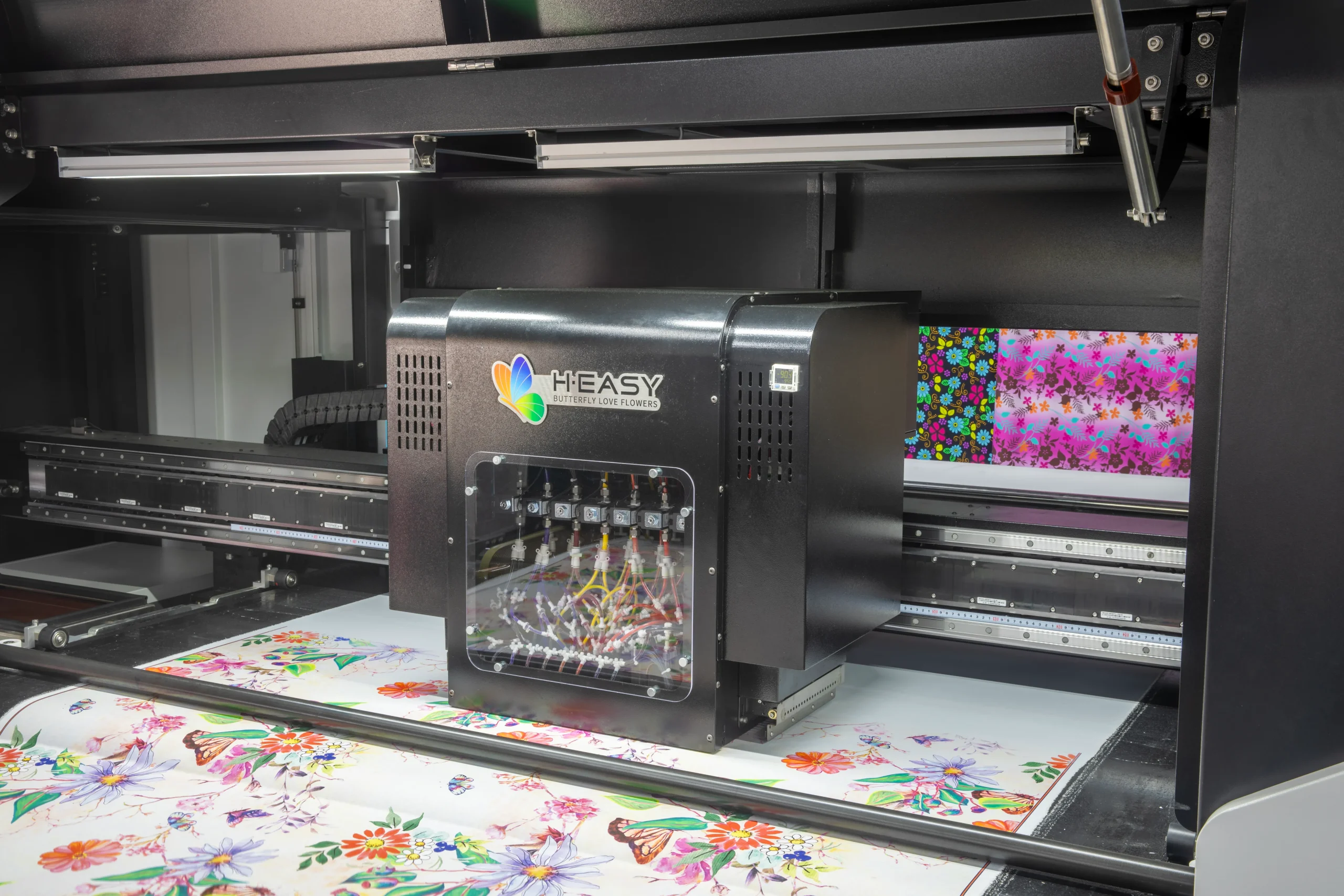
DTF (Direct-to-Film) printing is a digital textile decoration process that transfers printed designs from a specialized PET film onto fabric using hot-melt adhesive powder and heat pressing.
Unlike Direct-to-Garment (DTG) printing, which prints directly onto fabric, DTF allows designs to be produced independently of the garment and transferred only when needed.
This unique workflow provides greater flexibility, material compatibility, and production efficiency.
Basic DTF Printing Process
- Create and prepare the artwork.
- Print the design onto DTF transfer film.
- Apply hot-melt adhesive powder.
- Cure the adhesive powder using heat.
- Transfer the design onto the fabric with a heat press.
- Peel the film and reveal the finished print.
The result is a durable, vibrant, and flexible graphic suitable for a wide range of textile applications.
Why More Printing Businesses Are Investing in DTF Technology
Broad Fabric Compatibility
One of the biggest advantages of DTF printing is its ability to work on various materials without changing the production process.
Common compatible fabrics include:
- Cotton
- Polyester
- Cotton-poly blends
- Jersey fabrics
- Denim
- Canvas
- Performance textiles
This versatility allows businesses to serve multiple markets using a single printing system.
Excellent Color Performance
Modern DTF printers can reproduce:
- Rich and vibrant colors
- Fine details
- Smooth gradients
- Small text and intricate graphics
The white ink underbase ensures excellent opacity on both light and dark fabrics.
Durability for Everyday Use
A properly produced DTF transfer can withstand repeated washing and daily wear.
Benefits include:
- Strong adhesion
- Crack resistance
- Peel resistance
- Color retention
- Good stretchability
These characteristics make DTF printing particularly suitable for sportswear, workwear, and fashion apparel.
Faster Production Workflow
Since most fabrics do not require pre-treatment, businesses can reduce production time and simplify operations.
This is especially valuable for:
- Short-run orders
- Personalized products
- On-demand printing
- Fast-turnaround projects
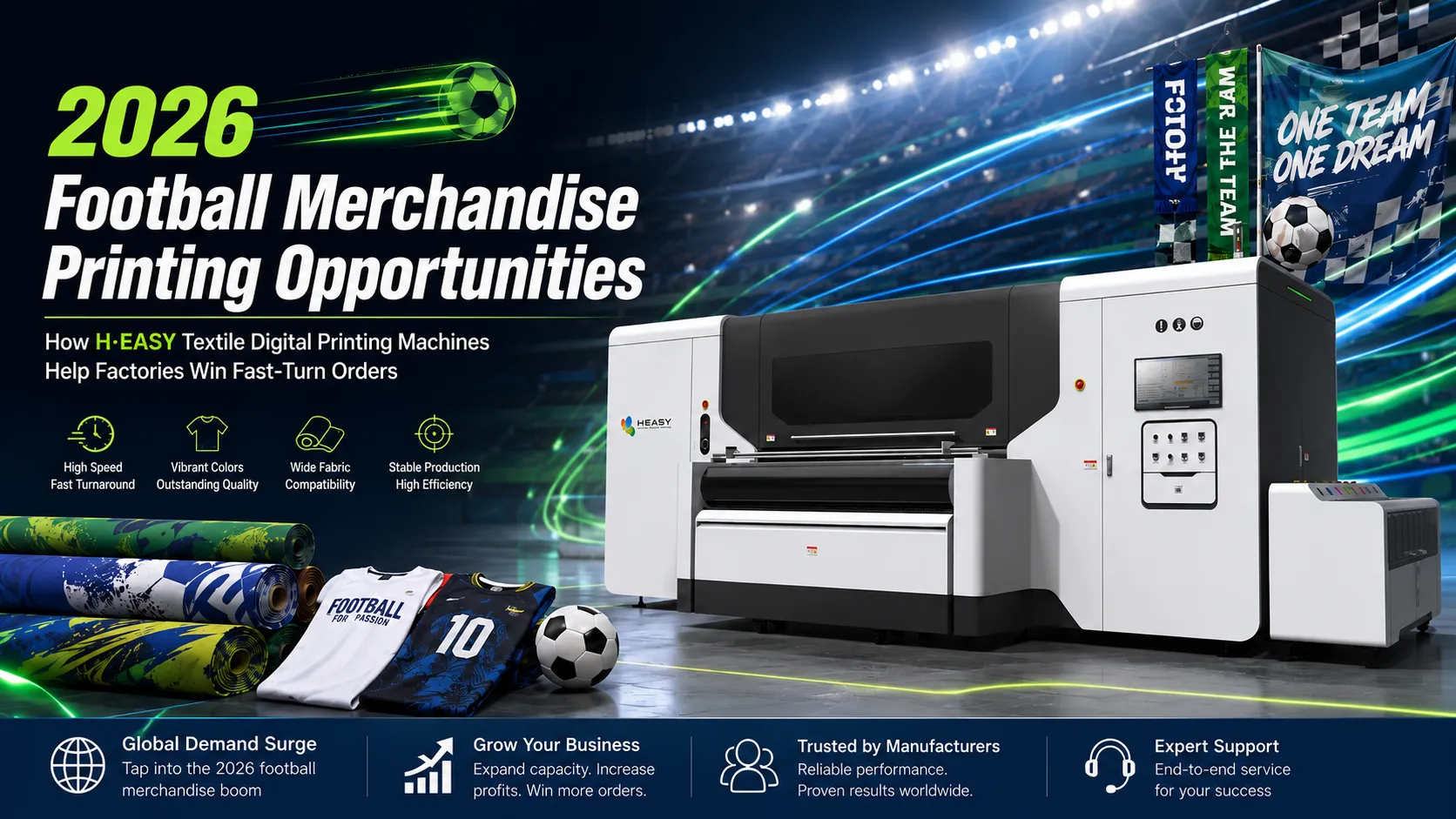
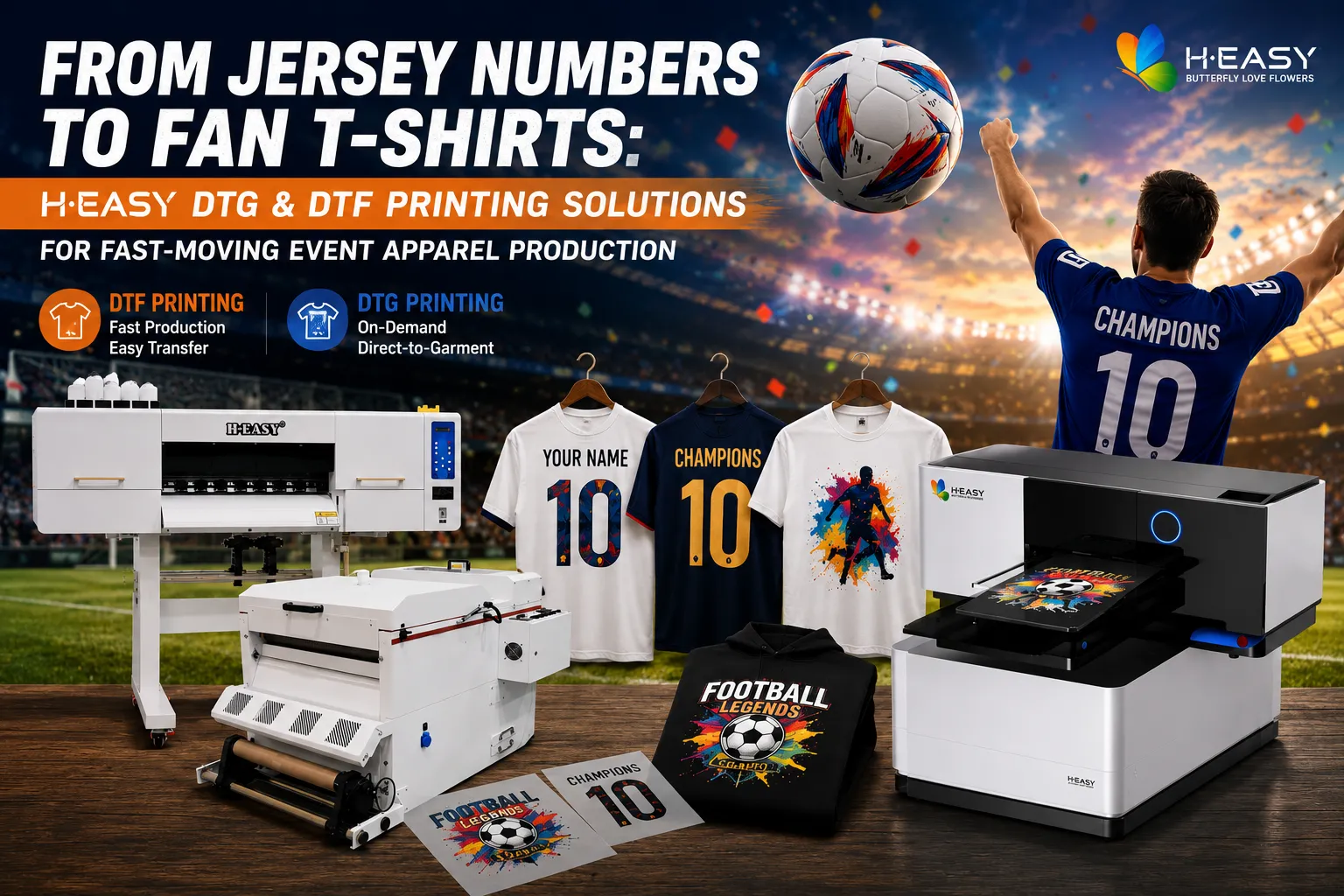
Why DTF Printing Is Perfect for Sports Jerseys
Sports apparel is one of the fastest-growing sectors in customized garment decoration.
Jerseys typically contain:
- Polyester fabrics
- Moisture-wicking materials
- Stretchable performance textiles
Many of these materials can be challenging for traditional printing methods.
Key Benefits for Jersey Printing
Vibrant Team Branding
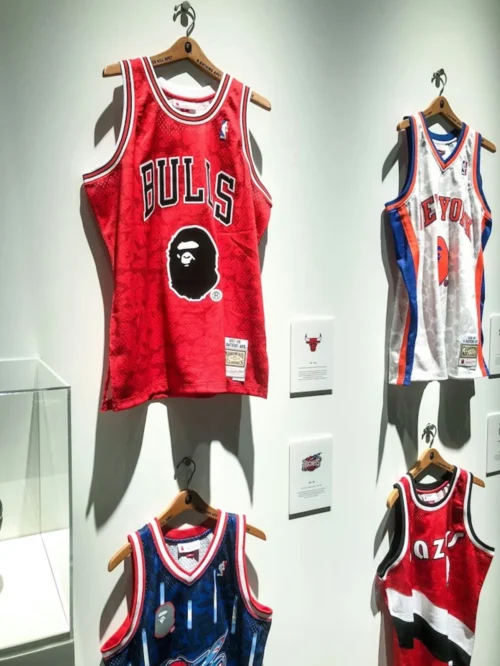
DTF technology produces sharp logos, sponsor graphics, player names, and jersey numbers with exceptional color accuracy.
Superior Flexibility
Athletic garments experience constant stretching and movement.
DTF prints maintain flexibility without cracking during normal use.
Long-Term Wash Durability
Sports uniforms are frequently washed. High-quality DTF transfers maintain appearance even after repeated laundering cycles.
Efficient Small-Batch Customization
Schools, clubs, sports teams, and event organizers often require personalized names and numbers.
DTF allows cost-effective customization without expensive setup costs.
Why DTF Printing Works So Well on Denim
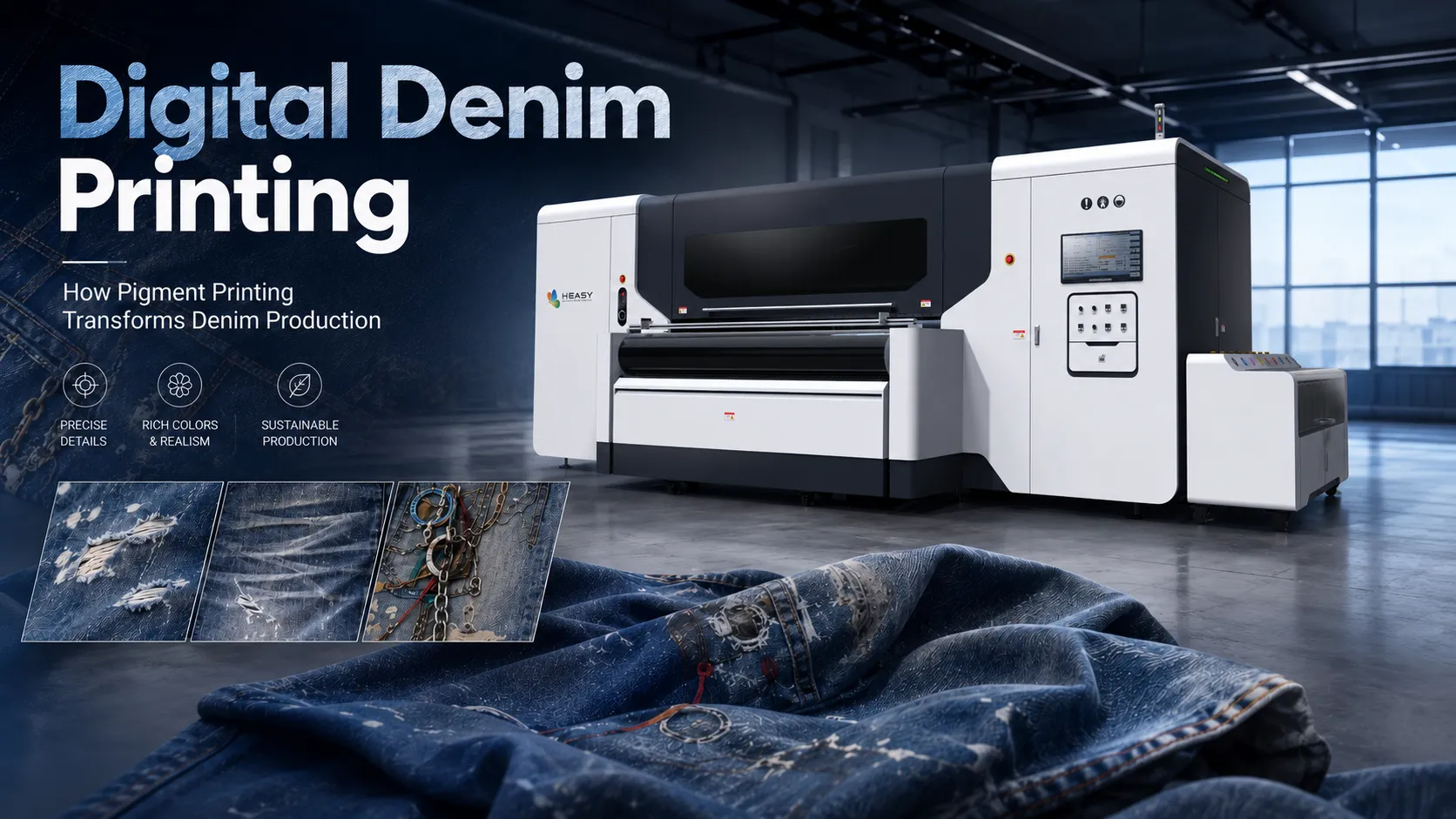
Denim remains one of the most popular materials in fashion and streetwear.
However, its thick texture and rugged surface require printing technologies with strong adhesion and durability.
Advantages of DTF Printing on Denim
Strong Bonding Performance
The adhesive layer enables excellent attachment to textured denim surfaces.
High-Impact Visual Effects
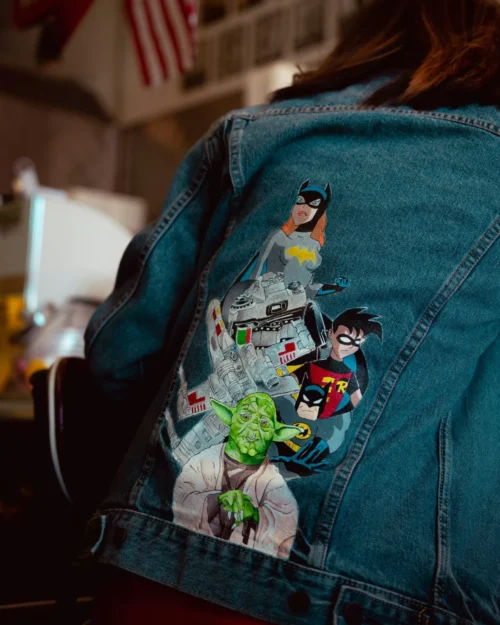
DTF can reproduce bold graphics, photographic images, and artistic illustrations that stand out on denim garments.
Suitable for Fashion Customization
Applications include:
- Denim jackets
- Jeans
- Denim shirts
- Custom fashion collections
Designers can create premium customized products without compromising fabric integrity.
Enhanced Wear Resistance
DTF graphics remain intact despite the heavy use typically associated with denim garments.
Canvas Printing: A Growing Opportunity for DTF Businesses
Canvas products continue to gain popularity across retail, promotional, and gift markets.
Common canvas applications include:
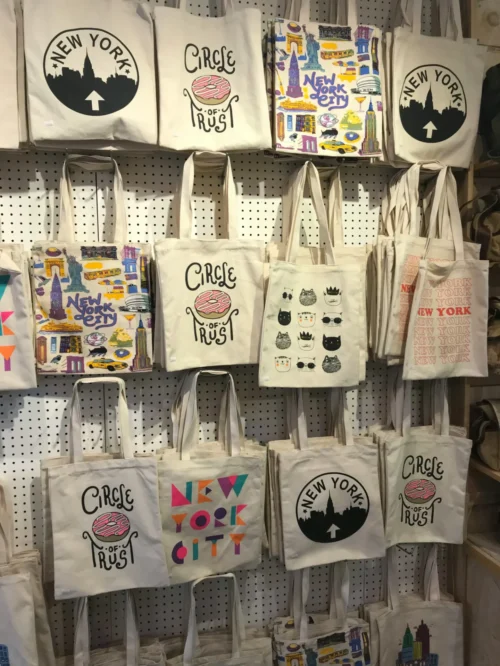
- Tote bags
- Shopping bags
- Backpacks
- Shoes
- Home décor products
Benefits of DTF Printing on Canvas
Excellent Adhesion
DTF transfers bond effectively with thick woven canvas materials.
High Detail Reproduction
Even complex logos and artwork can be reproduced accurately.
Expanded Product Offerings
Businesses can easily diversify beyond apparel and enter the promotional products market.
Durable Everyday Performance
Canvas products are often subjected to frequent handling and outdoor use, making durability an essential factor.
What to Look for When Choosing a DTF Printer
Not all DTF printers offer the same level of performance. Choosing the right equipment can significantly impact productivity and print quality.
Printhead Technology
Popular options include:
- Epson XP600
- Epson i1600
- Epson i3200
For commercial production environments, Epson i3200 printheads are widely preferred for their speed, precision, and stability.
White Ink Management System
White ink is essential for dark garments but can settle over time.
Look for systems featuring:
- Automatic white ink circulation
- White ink stirring
- Ink recirculation technology
These functions help minimize clogging and maintenance issues.
Print Width Options
Common printer widths include:
- 30cm (entry-level)
- 60cm (commercial standard)
- 80cm+ (industrial production)
A 60cm DTF printer is often the most versatile choice for growing businesses.
Software Compatibility
Professional RIP software should support:
- White ink control
- Color management
- Ink optimization
- Job nesting
Reliable software improves efficiency and print consistency.
DTF vs Other Popular Printing Methods
DTF vs DTG Printing
| Feature | DTF | DTG |
|---|---|---|
| Fabric Compatibility | Excellent | Limited |
| Pre-treatment | Not Required | Usually Required |
| Dark Garments | Excellent | Good |
| Production Flexibility | High | Medium |
DTF vs Screen Printing
| Feature | DTF | Screen Printing |
| Setup Cost | Low | High |
| Small Orders | Excellent | Poor |
| Multi-Color Designs | Excellent | More Complex |
| Customization | Easy | Limited |
DTF vs Heat Transfer Vinyl
DTF offers:
- Better image detail
- More color options
- Softer hand feel
- Greater design freedom
making it the preferred choice for modern apparel customization.
Essential Maintenance Tips for Long-Term Performance
Proper maintenance protects print quality and extends equipment life.
Daily Maintenance
- Check nozzle status
- Clean printhead surfaces
- Remove ink residue
White Ink Management
- Run circulation systems regularly
- Prevent pigment settlement
- Monitor ink condition
Use Quality Consumables
Using reliable:
- DTF inks
- PET films
- Hot-melt powders
helps reduce operational issues and improve consistency.
Control the Working Environment
Maintain:
- Stable temperature
- Moderate humidity
- Good ventilation
- Dust-free conditions
These factors contribute significantly to print quality and equipment reliability.
The Future of DTF Printing
As textile customization continues to expand worldwide, DTF technology is expected to become even more advanced.
Industry developments include:
- Faster printing speeds
- Improved white ink systems
- Automated powder application
- Smarter workflow software
- Enhanced color performance
These innovations will further strengthen DTF’s position as one of the most versatile and scalable textile printing solutions available.
Conclusion
From custom sports jerseys and fashion denim to canvas bags and promotional products, DTF printing has become a powerful tool for modern garment decoration businesses.
Its ability to deliver vibrant colors, strong durability, broad material compatibility, and cost-effective production makes it an ideal solution for both startups and established print providers.
For companies looking to expand their customization capabilities, improve production flexibility, and meet growing customer demand, investing in a high-quality DTF printer is a strategic step toward long-term business growth.
Ready to upgrade your textile printing business? Explore our professional DTF printing solutions and discover how the right equipment can help you produce outstanding results on jersey, denim, canvas, and beyond.