Choosing the right fabric printing process can feel confusing, especially if you are new to digital textile printing. Many buyers know the fabric they want to print, but they are not sure whether they should use reactive printing, acid printing, pigment printing, or disperse printing.
The good news is that the decision becomes much easier once you start with the fabric itself.
In textile printing, the best process is usually determined by three simple factors: fiber type, product application, and finishing requirements. Cotton does not behave like polyester. Silk does not respond the same way as nylon. A process that works well for fashion fabric may not be ideal for home textiles or industrial textile applications.
This guide explains how to choose the right fabric printing process based on the material you are using and the result you want to achieve.
Why Fabric Type Matters in Textile Printing
When people ask, “Which printing process is best?” the most accurate answer is: it depends on the fabric.
Different textile fibers absorb or bond with inks in different ways. That affects:
- color brightness
- softness of hand feel
- wash fastness
- durability
- post-processing requirements
- overall production cost
That is why fabric printing is not a one-process-fits-all industry. The right choice depends on whether your material is cotton, linen, rayon, silk, wool, polyester, nylon, acetate, or a blend.
If you start by identifying the fabric correctly, you can avoid many common printing problems later.
The First Question to Ask: What Is Your Fabric Made Of?
Before choosing a textile printing method, ask this first:
Is your fabric mainly natural fiber, regenerated fiber, protein fiber, or synthetic fiber?
A simple way to think about it is:
- Cotton, linen, rayon, viscose usually point toward reactive printing
- Silk, wool, nylon often point toward acid printing
- Polyester, acetate, and some synthetic fabrics often point toward disperse printing
- A wide mix of fabrics or simplified processing needs may point toward pigment printing
Once you understand that connection, textile printing choices become much more logical.
Reactive Printing: Best for Cotton, Linen, Rayon, and Other Natural or Regenerated Fibers
Reactive printing is one of the most common choices for fabric printing on cotton, linen, rayon, viscose, and similar materials.
This process is popular because it delivers:
- strong color performance
- soft fabric hand feel
- good penetration on suitable fabrics
- a premium look for fashion and home textile applications
Reactive printing is often used for:
- cotton fashion fabrics
- bedding fabrics
- home textiles
- soft apparel fabrics
- quality woven and knitted natural-fiber materials
If your fabric is mainly cotton or another cellulosic fiber, reactive printing is often a strong option.
However, reactive printing usually involves a more complete production workflow. That means it is often chosen when print quality and fabric feel are important enough to justify a more involved process.
When reactive printing is a good fit
Reactive printing is a good fit when you want high-quality printing on cotton or similar fabrics and you care about softness, color richness, and fabric value.
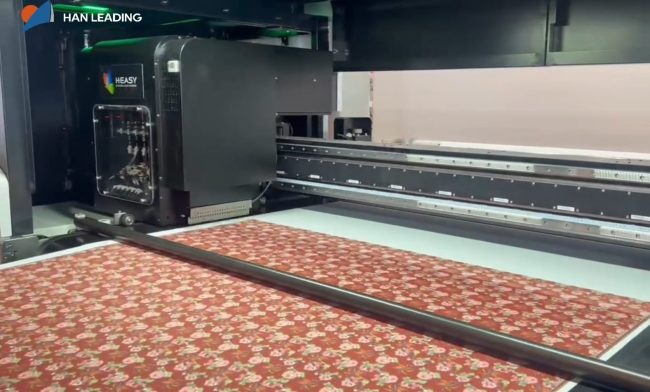
Acid Printing: A Better Choice for Silk, Wool, and Some Nylon Fabrics
Acid printing is commonly used for silk, wool, and certain nylon fabrics.
This process is well suited to materials that require:
- vivid color
- good fiber affinity
- refined print appearance
- a premium textile finish
Acid printing is often seen in:
- silk scarves
- silk fabrics
- wool textiles
- high-end decorative fabrics
- selected nylon textile applications
If your fabric is silk or wool, acid printing is usually more appropriate than reactive or disperse printing. It is designed for different fiber chemistry and is often associated with higher-value textile products.
When acid printing is a good fit
Choose acid printing when you are working with silk, wool, or specific nylon fabrics and want bright colors with a refined finish.
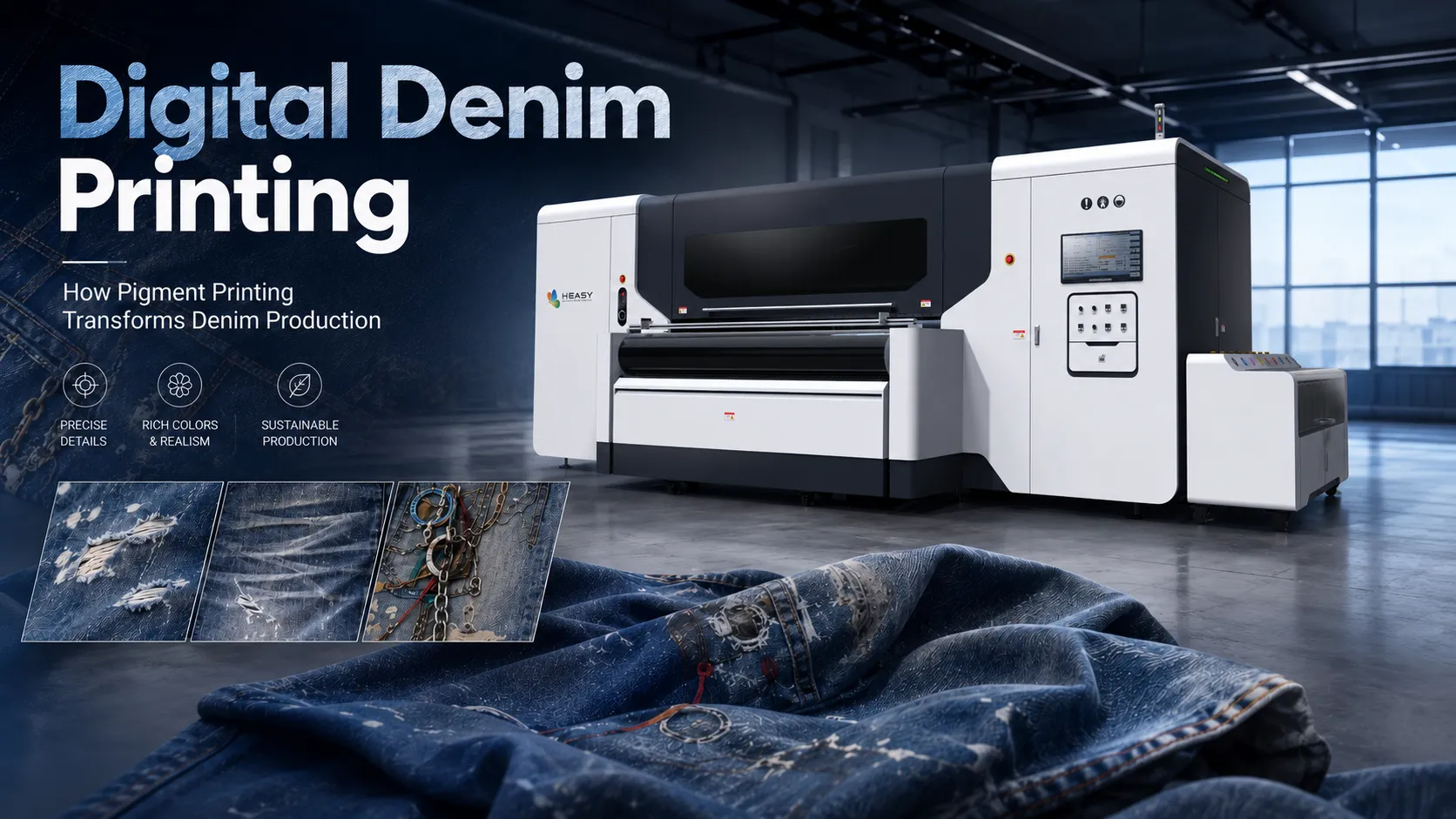
Pigment Printing: A Practical Option for Flexible Fabric Coverage and Simpler Processing
Pigment printing has become increasingly attractive for businesses that want a more flexible textile printing workflow.
Unlike some dye-based textile printing methods, pigment printing is often chosen because it can help simplify production. It is commonly considered when a business wants:
- wider fabric adaptability
- reduced process complexity
- less dependence on heavy post-processing
- more flexible production planning
Pigment printing can be used in different textile segments, including:
- fashion fabrics
- selected home textile fabrics
- decorative textiles
- sampling and short-run production
- businesses looking for easier workflow control
For users who do not know exactly what process to choose, pigment printing is often worth considering because it can cover a broad range of needs. That does not mean it is always the best choice, but it is frequently a practical one when workflow simplicity matters.
When pigment printing is a good fit
Pigment printing is a good fit when you want a simpler printing route, broader fabric flexibility, or easier production management.
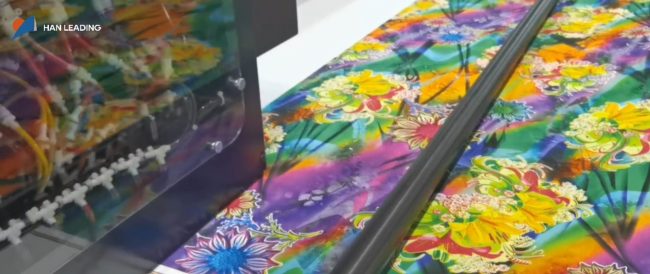
Disperse Printing: Suitable for Polyester, Acetate, and Synthetic Textile Applications
Disperse printing is typically associated with polyester, acetate, and selected synthetic textile materials.
If your fabric is synthetic rather than natural, disperse printing may be the more suitable direction. It is often chosen for textiles where durability and compatibility with synthetic fibers are important.
Typical applications include:
- polyester fabrics
- synthetic fashion fabrics
- selected home furnishing fabrics
- industrial textile applications
- durable synthetic textile products
Many people confuse disperse printing with sublimation-related polyester decoration, but in fabric printing discussions, disperse printing is better understood as a synthetic-fiber textile printing route rather than a simple surface decoration method.
If your material is mainly polyester or another related synthetic fiber, disperse printing is often more relevant than reactive or acid printing.
When disperse printing is a good fit
Choose disperse printing when your textile is polyester-based or another suitable synthetic fiber and you need a process designed for that material family.
A Simple Way to Match Fabric to Printing Process
If you are still unsure, use this quick logic:
Choose reactive printing if your fabric is:
- cotton
- linen
- rayon
- viscose
- other natural or regenerated cellulose-based fabrics
Choose acid printing if your fabric is:
- silk
- wool
- selected nylon fabrics
Choose disperse printing if your fabric is:
- polyester
- acetate
- selected synthetic textiles
Consider pigment printing if:
- you want a simpler workflow
- you need broader fabric flexibility
- you are comparing multiple fabric types
- you want a practical general-purpose option
This is not a replacement for fabric testing, but it is a very useful starting point for buyers, sourcing teams, and printing businesses.
What If Your Fabric Is a Blend?
Blended fabrics are where many users become unsure.
For example:
- cotton-polyester blends
- nylon-spandex blends
- rayon-poly blends
- mixed fashion fabrics
In these cases, the “best” printing process depends on which fiber dominates the fabric and what result matters most.
Ask these questions:
- Which fiber has the higher percentage?
- Is softness more important, or process convenience?
- Is the product fashion apparel, home textile, or industrial textile?
- Do you need a premium finish, or a more flexible workflow?
Blends often require a more practical evaluation rather than a simple textbook answer. This is one reason why users comparing textile printing processes should always start with both fabric composition and end use.
Do Not Choose a Printing Process Based on the Printer Alone
A common mistake is choosing the printing process based only on equipment type.
In reality, the correct order is:
- identify the fabric
- understand the application
- decide the desired result
- confirm the suitable printing process
- then evaluate the printer, ink, and production setup
If you skip the fabric step, you may choose a process that looks good in theory but does not match the textile in real production.
How End Use Also Affects the Right Choice
Even when two fabrics look similar, the application may change the best process.
For example:
- a premium silk scarf needs a different standard than a basic decorative fabric
- cotton bedding fabric may need a different balance than promotional fabric
- polyester apparel may not be evaluated the same way as industrial synthetic textile products
That means the right textile printing process is not only about chemistry. It is also about how the printed fabric will be used.
The Best Fabric Printing Process Is the One That Matches the Fabric and the Goal
There is no single best textile printing method for every material.
Reactive printing is not always better than pigment printing.
Acid printing is not always better than disperse printing.
Pigment printing is not automatically the easiest answer for every project.
The right process depends on:
- fabric composition
- application type
- quality expectations
- finishing workflow
- production capability
For most users, the easiest and smartest way to choose is to begin with the textile fiber itself.
Final Thoughts
If you do not know which fabric printing process to choose, start with a simple rule:
know your fabric before choosing your printing method.
If your material is cotton, linen, rayon, or viscose, reactive printing is usually a logical place to start.
If it is silk, wool, or some nylon fabrics, acid printing is usually more suitable.
If it is polyester or another synthetic fabric, disperse printing is often the better direction.
If you want broader flexibility or a simpler workflow, pigment printing is often worth evaluating.
Once you understand that connection between fabric type and printing process, digital textile printing becomes much easier to navigate.