
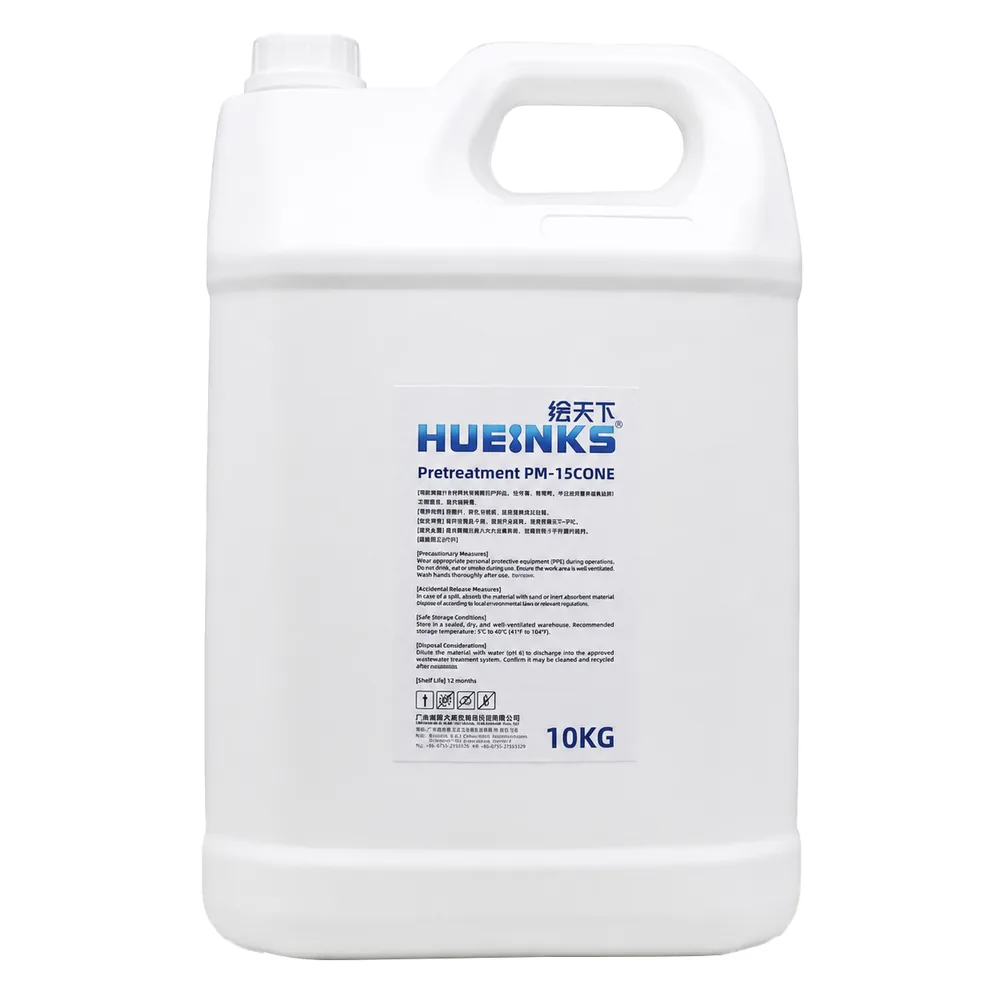
Pretreatment Liquid PM-15CONE, 10 kg
Prepares fabric before pigment printing. The stage that decides colour yield.
- R2R pigment
- DTG
- Container size
- 10 kg
- Model
- PM-15CONE
What it runs on
Compatibility with your exact machine, printhead and the ink currently in it is confirmed at quotation. Changing chemistry without a correct flush damages printheads.
Stated properties
| Purpose | Fabric pre-treatment ahead of pigment printing |
|---|---|
| Net weight | 10 kg per container |
| Storage | Sealed, dry, well-ventilated, 5-40 °C |
| Shelf life | 12 months |
| Handling | PPE required; do not eat, drink or smoke during use; ventilate the work area; wash hands after use |
| Spill | Absorb with sand or inert absorbent, then dispose per local environmental regulations |
| Disposal | Dilute with water to pH 6 before discharge to an approved wastewater treatment system |
Source: Product packaging label - Transcribed from the product label, photographed 2026-08-11. Properties not listed above are not published, because we have no source for them.
What it prints
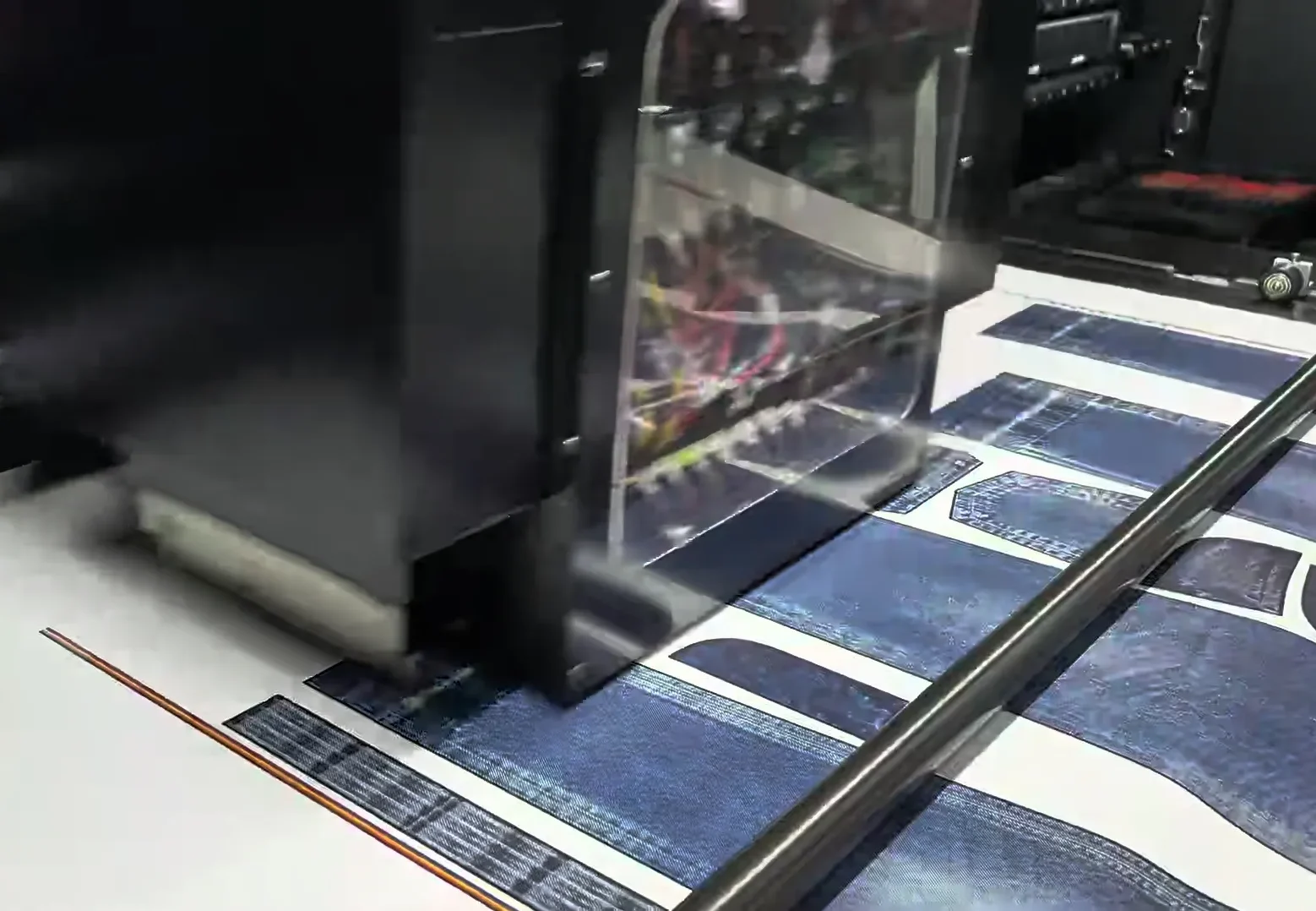
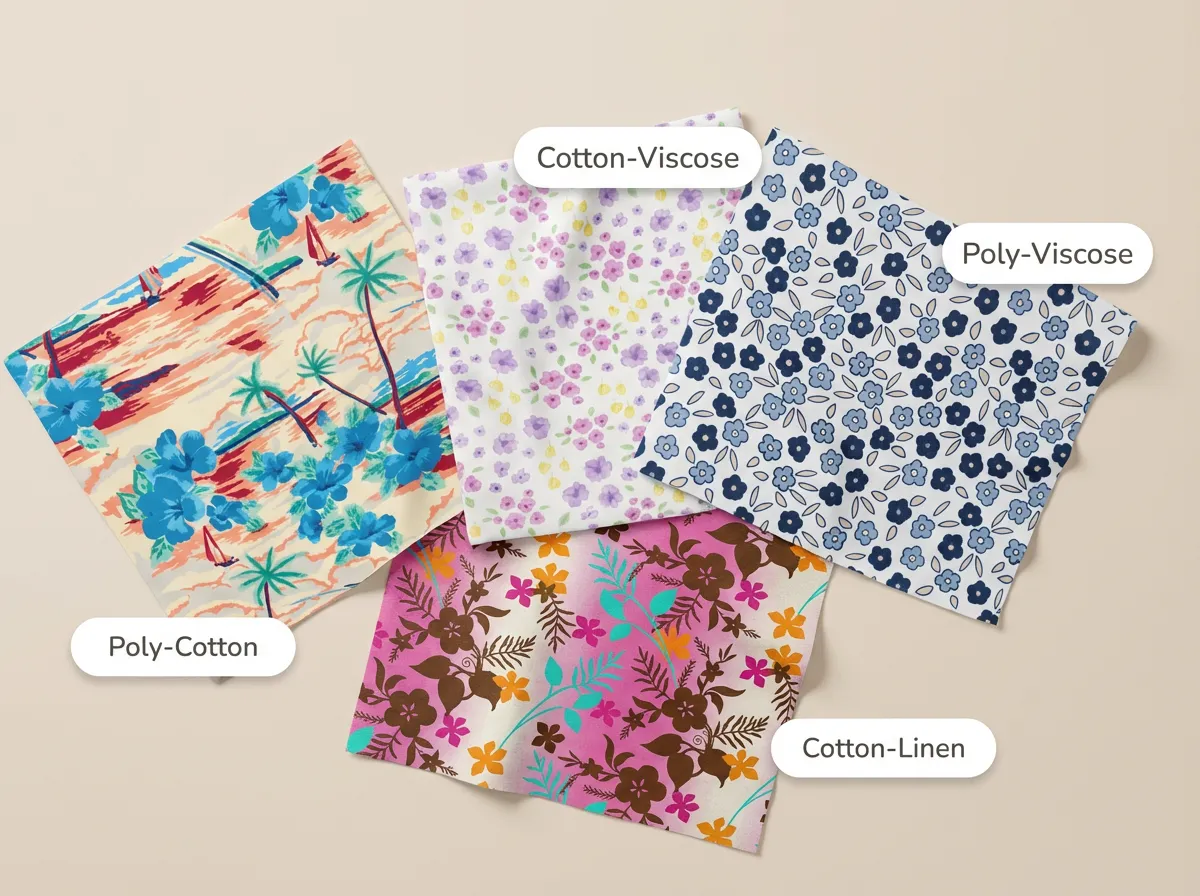
Output from this route on production fabric. Your own substrate is sampled before you commit to volume.
Why pre-treatment decides the result
Pigment printing has one stage that quietly decides the outcome, and it is not the printer. Colour is bound to the fabric by a binder, and the binder can only anchor as well as the fabric surface lets it. Prepare the cloth properly and the colour comes up saturated, rubs well and keeps a hand-feel a buyer will accept. Skip it, or apply it unevenly, and no ink specification rescues the result.
That is why the pigment ink page spends more words on preparation than on the ink itself, and why why fabric pre-treatment matters in pigment printing exists as a guide in its own right.
What the label states, and what it does not
Container size, storage window, shelf life, handling and disposal come from the product label and are listed above.
Composition, dilution ratio, viscosity, pH as supplied and application weight are not on the label and are not published here. They belong to a recipe set against your fabric, and a number invented for a web page would be worse than useless: it would look authoritative while being wrong for most readers.
Setting the recipe
- Send a fabric sample, and say how you intend to apply it - pad-mangle, spray or coating line.
- We set dilution and application weight against that fabric.
- Print, cure and test rub and wash fastness against your buyer’s requirement, with a lab report rather than an in-house impression.
- Lock the recipe before you commit to volume, and re-check it when the fabric supplier changes.
That last step is the one most shops skip. A change of greige supplier moves the result more than a change of ink, and the symptom shows up as “the ink got worse”.
Handling and disposal
The label requires personal protective equipment during handling, no eating, drinking or smoking while working with it, a ventilated work area, and washing hands afterwards. Spills are absorbed with sand or inert absorbent and disposed of under local environmental regulations.
For disposal, the label specifies diluting with water to pH 6 before discharge into an approved wastewater treatment system. Confirm your site’s discharge permit covers that before ordering in volume - it is the kind of detail that stops a delivery at the gate.
Supply
Pretreatment PM-15CONE is supplied under our own HUEINKS brand alongside the pigment ink it prepares fabric for. Pricing, minimum order, the safety data sheet and the dangerous-goods classification for your shipping route are confirmed at quotation.
Shipping and safety documentation
Safety data sheet
Available on request
Dangerous goods
Confirmed per shipping route at quotation
Minimum order and lead time
Quoted per destination and quantity. Tell us your machine model and monthly consumption.
Frequently asked questions
Do I need pre-treatment for pigment printing?
On most fabrics, yes. Pigment colour is held on the fibre by a binder rather than reacting with it, and how well that binder anchors is decided by how the fabric was prepared. The same ink on the same machine gives a different colour yield, a different rub fastness and a different hand-feel on well-prepared versus poorly-prepared cloth.
What dilution should I use?
That is set against your fabric during commissioning rather than published as one figure. Fabric construction, finish and the application method all move it, and a dose that suits a light poplin will not suit a heavy canvas.
How is it applied?
By pad-mangle, spray or coating line depending on your setup and volume. Tell us which you run and the recommendation is made against that, because an application method that lays down an uneven film costs you more in patchy colour than the pre-treatment saves.
What does disposal involve?
The label specifies diluting with water to pH 6 before discharge into an approved wastewater treatment system. Confirm that your site's discharge permit covers it before you order in volume.
Tell us your machine and your monthly volume
We quote consumables against a specific machine, printhead and ink set, not from a catalogue line, because that is the only way the answer is useful.