
Fabric and garment printing guides
Buying guides, process comparisons and maintenance know-how from the team that builds the machines.
These guides are written by H·EASY (Shenzhen Han Leading Technology Co., Ltd.), whose roll-to-roll, DTG and DTF fabric printers ship to 70+ countries. They cover four buyer questions: which process to use (R2R, DTG, sublimation or DTF), what ink and running costs to expect, which method suits which fabric, and how to keep a machine printing cleanly.
Ready to evaluate hardware? Size ink and running cost with the DTG/DTF ROI calculator, spec a continuous line on the roll-to-roll fabric printer, or compare the desktop route on the 60cm DTF + DTG page.
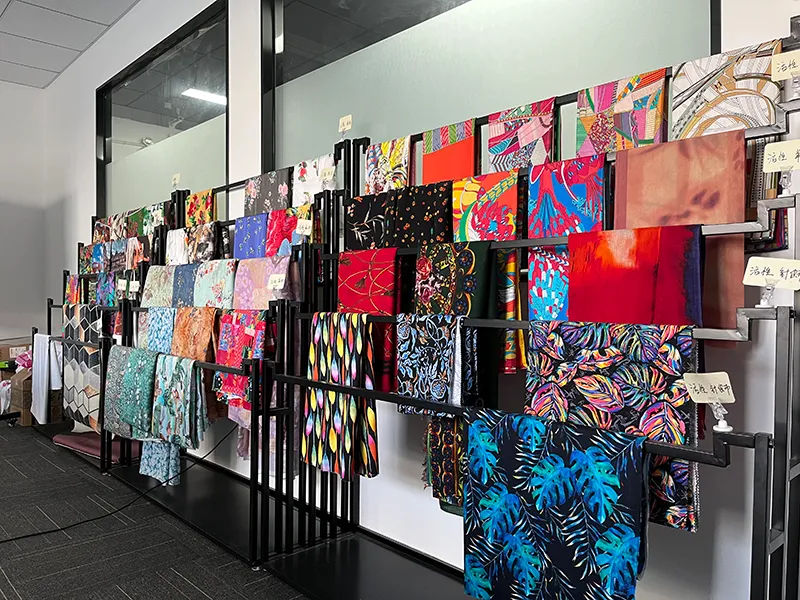
Already Running a Screen Printing Business? Start Digital Transformation with Your Existing Orders
Screen printing factories can adopt digital printing without replacing existing lines. Learn how to choose DTG, DTF, sublimation or roll-to-roll printing based on products, fabrics and orders.
Oct 22, 2026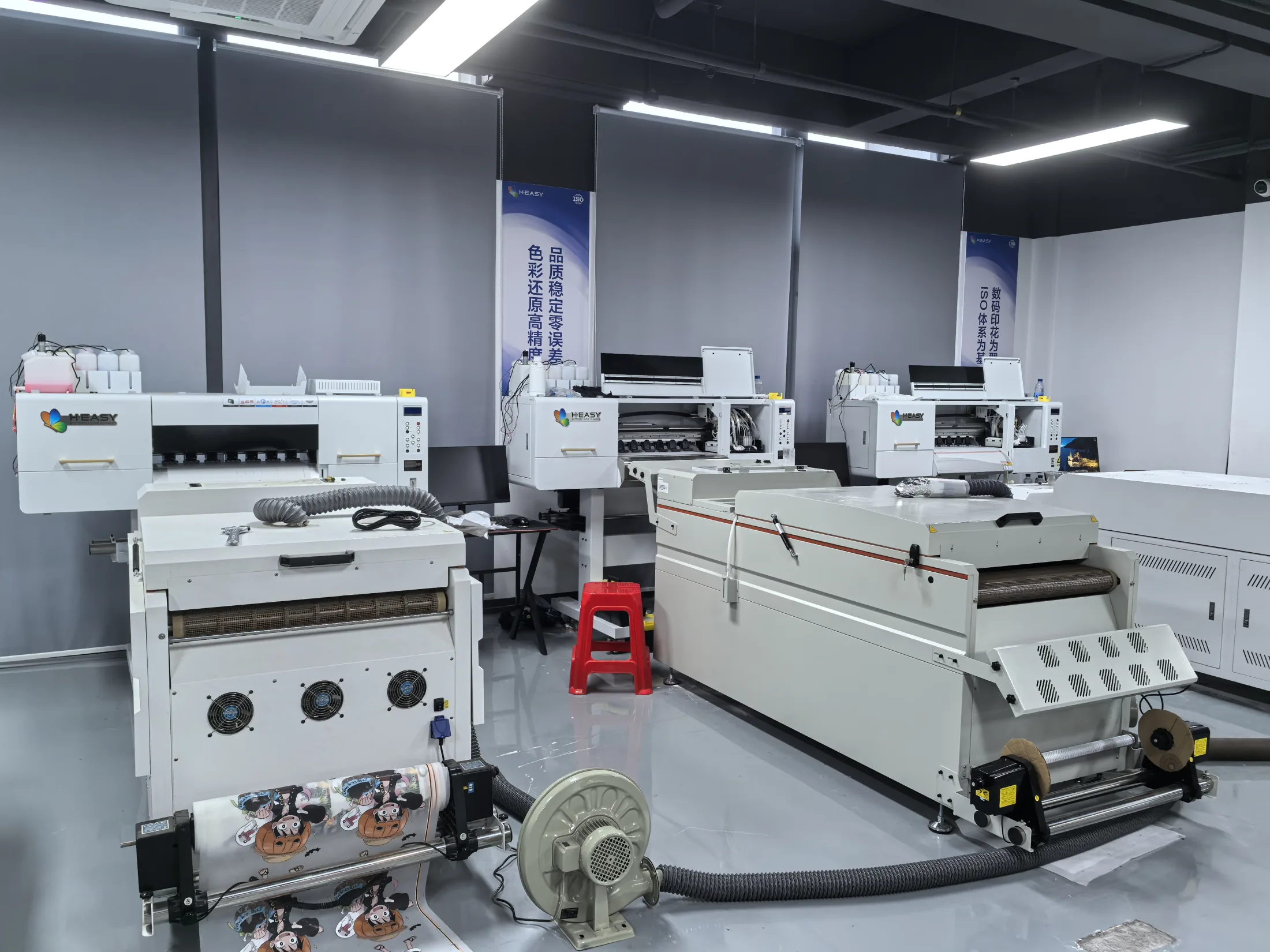
How Long Does a DTF Printer Really Last?
Learn how long a DTF printer can last, which parts wear out first, how maintenance affects lifespan, and what to check before buying a production DTF printer.
Oct 21, 2026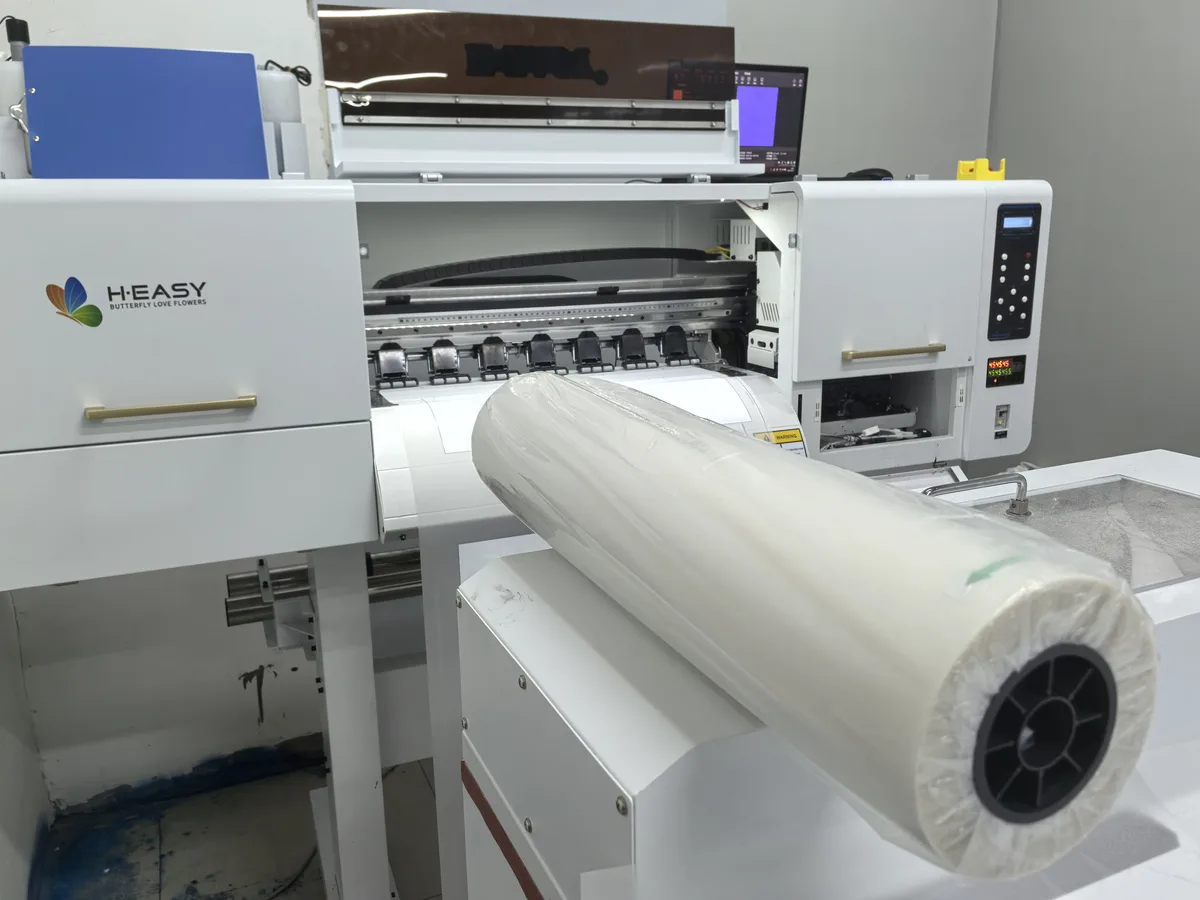
DTF Color Accuracy: A Calibration and Print-Approval Workflow
DTF color accuracy requires a stable printer, matched RIP profile and white layer, controlled transfer, and measured approval on the finished garment.
Oct 12, 2026
DTG Printer Demo Checklist: 12 Checks Before You Invest
A DTG printer demo should test your garments from pretreatment to cured print, checking white ink, loading, color, repeatability, care and usable output.
Oct 12, 2026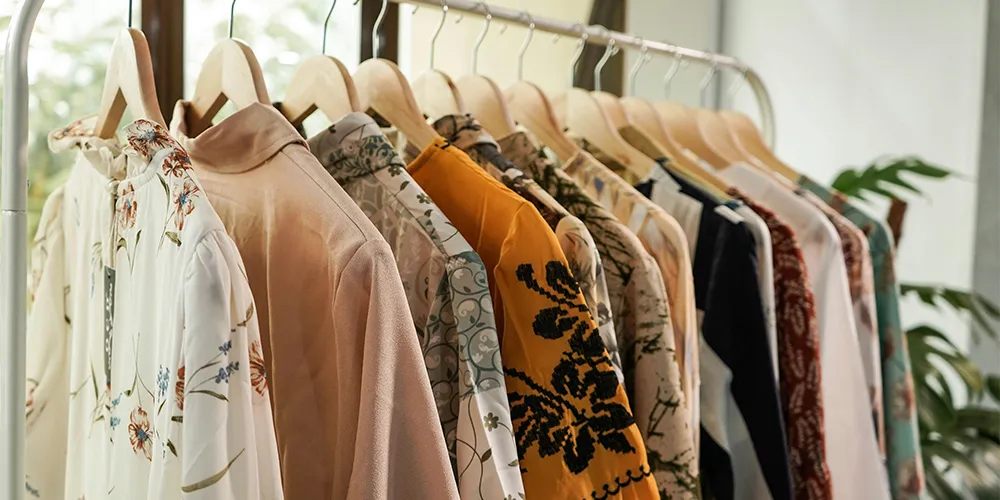
DTF on Jerseys, Denim and Canvas: Material Tests Before Production
DTF can decorate jerseys, denim and canvas when the exact fabric, transfer and heat-press process pass adhesion, stretch, migration and wash checks.
Oct 12, 2026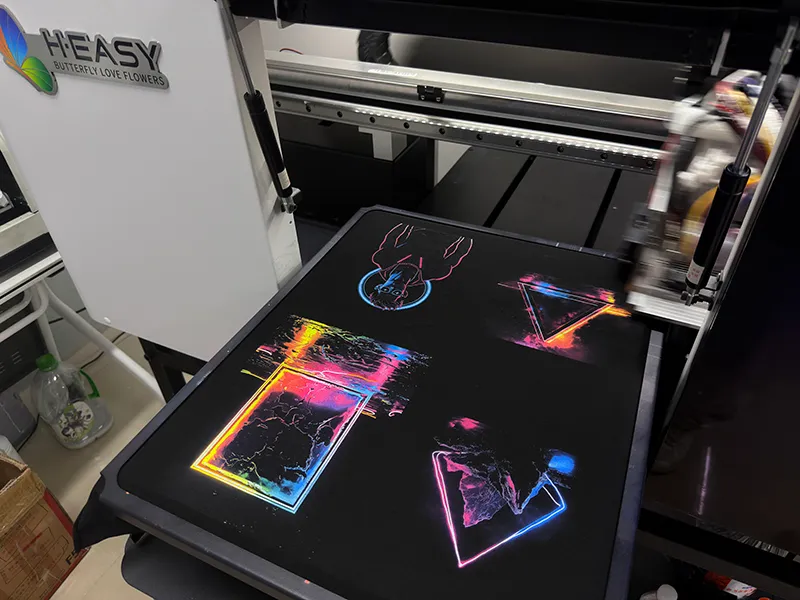
Why Dark Cotton T-Shirts Put Every Printing Process to the Test
Why are dark cotton T-shirts harder to print? Learn how DTG white ink, pretreatment, color registration and curing work, and compare H·EASY single- and dual-station DTG solutions.
Oct 9, 2026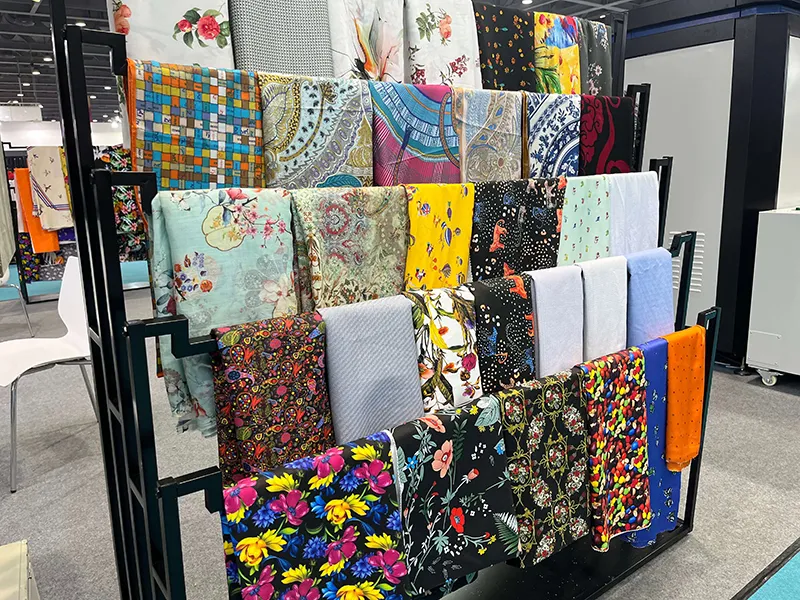
Before Buying a Digital Printing Machine, Answer These 5 Questions First
Before buying a digital printing machine, define your products, fabrics, order volume, customer priorities and growth plan to choose the right printing solution.
Sep 23, 2026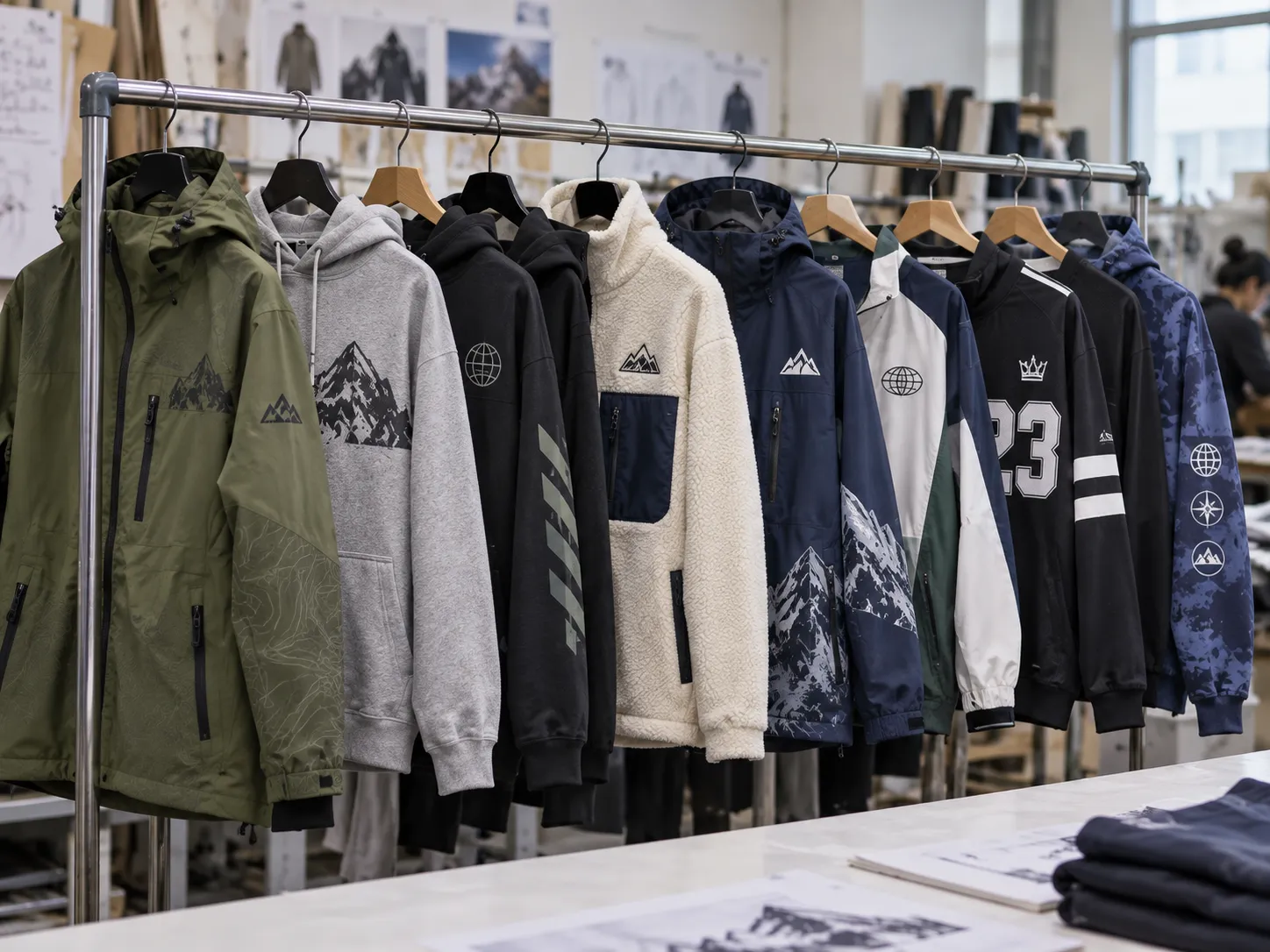
Autumn and Winter Apparel Orders Are Changing: Printing Factories Need to Adjust Production in Advance
Autumn and winter apparel orders are changing. See how factories can adapt with DTG, DTF, sublimation and digital textile printing.
Sep 21, 2026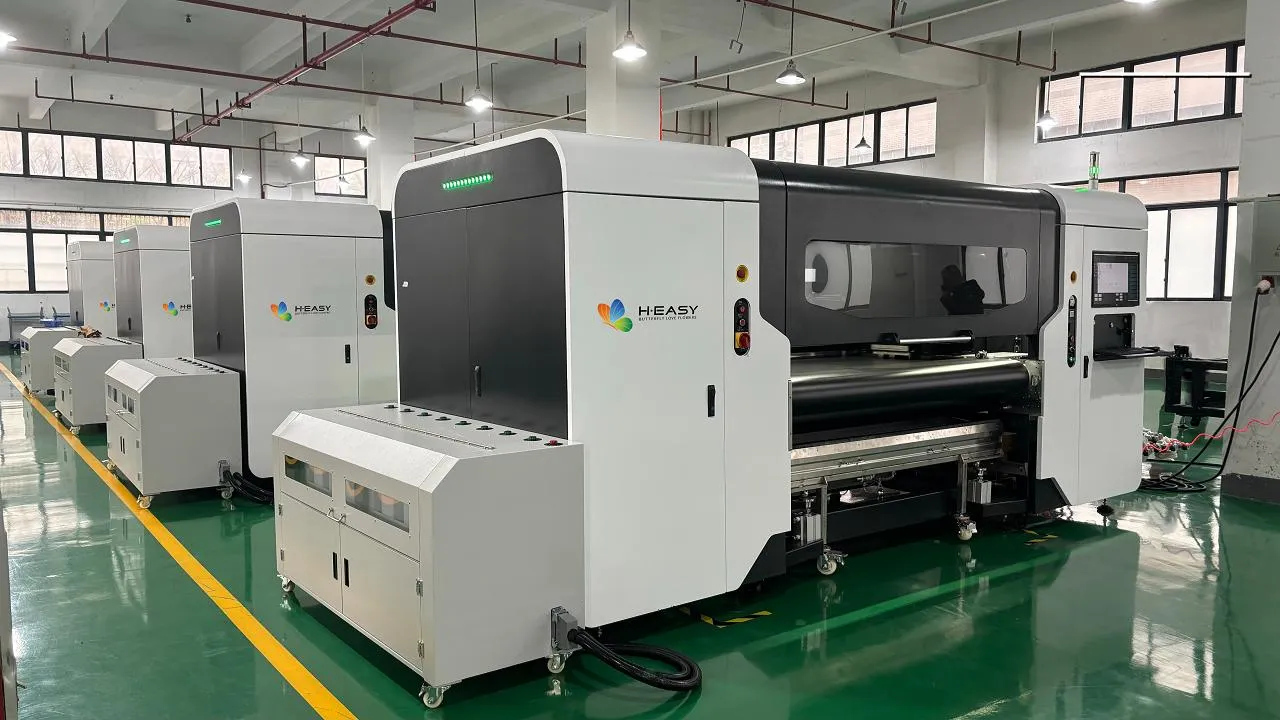
How H·EASY Digital Textile Printing Machines Support Factory Transformation
Transition from screen to digital textile printing with H·EASY machines. Choose the right production route, reduce trial-and-error, and handle small-batch, fast-response orders.
Sep 15, 2026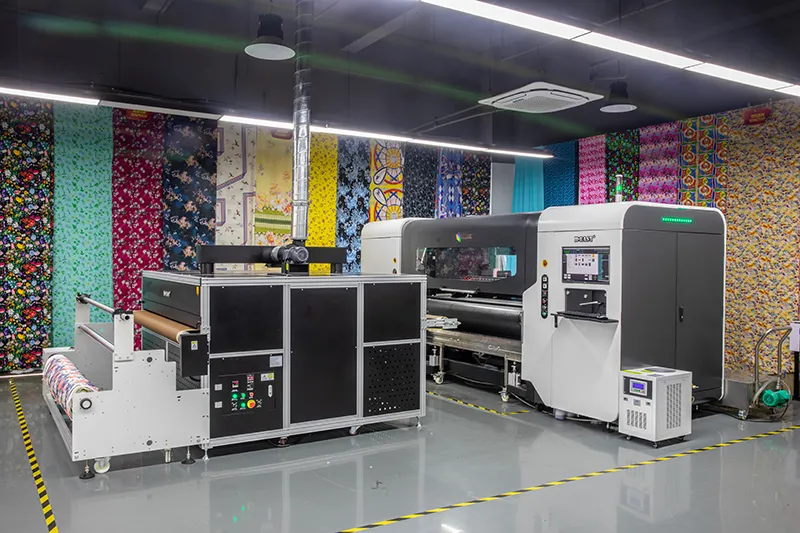
Why the H·EASY HY-2232 Digital Textile Printer Is Ideal for Baby and Children's Textile Printing
The HY-2232 is a 2.2 m, 32-head digital textile printer for baby and children's fabrics, with 650 m²/h at 2-pass and 450 m²/h at 3-pass.
Sep 14, 2026
HY-2208 Digital Textile Printer: A Cost-Effective Choice for Small-Batch Custom Fabric Printing
The HY-2208 supports small-batch custom fabric printing with stable hardware, self-developed controls, matched ink solutions, and technical service support.
Sep 16, 2026
Pigment Digital Printing Machine: Why It May Become a Key Technology for Flexible Textile Manufacturing
Pigment digital printing machines support flexible textile manufacturing through shorter workflows and digital design changes, but industrial results depend on the complete process.
Sep 7, 2026
DTF White Ink Transfer Printing: Why Process Integration Matters More Than Ink Alone
Stable DTF production depends on integrating white ink, printheads, RIP settings, PET film, powder, curing, storage and heat transfer - not ink alone.
Sep 3, 2026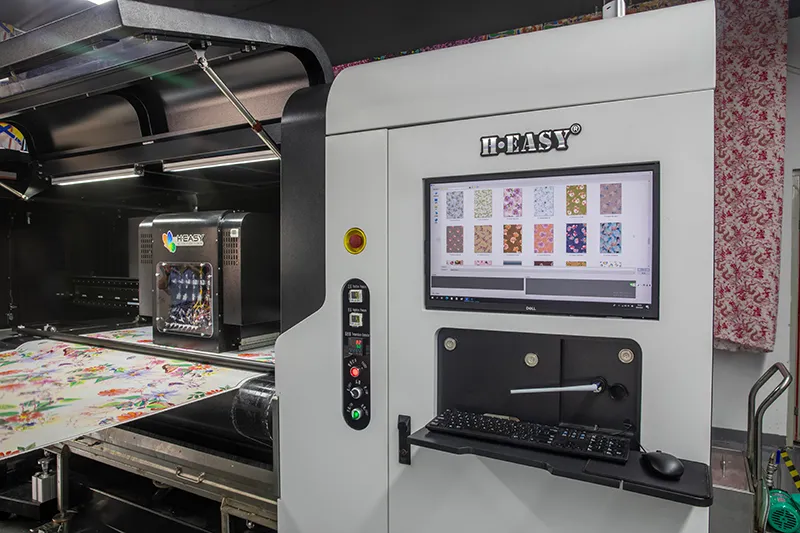
RIP Color Management: Why Advertising, Textile, DTF, DTG, and Packaging Need Different Workflows
Advertising, textile, DTF, DTG, and packaging printing do not generate color in the same physical way. Their materials, inks, processing conditions, and color targets are fundamentally different.
Aug 27, 2026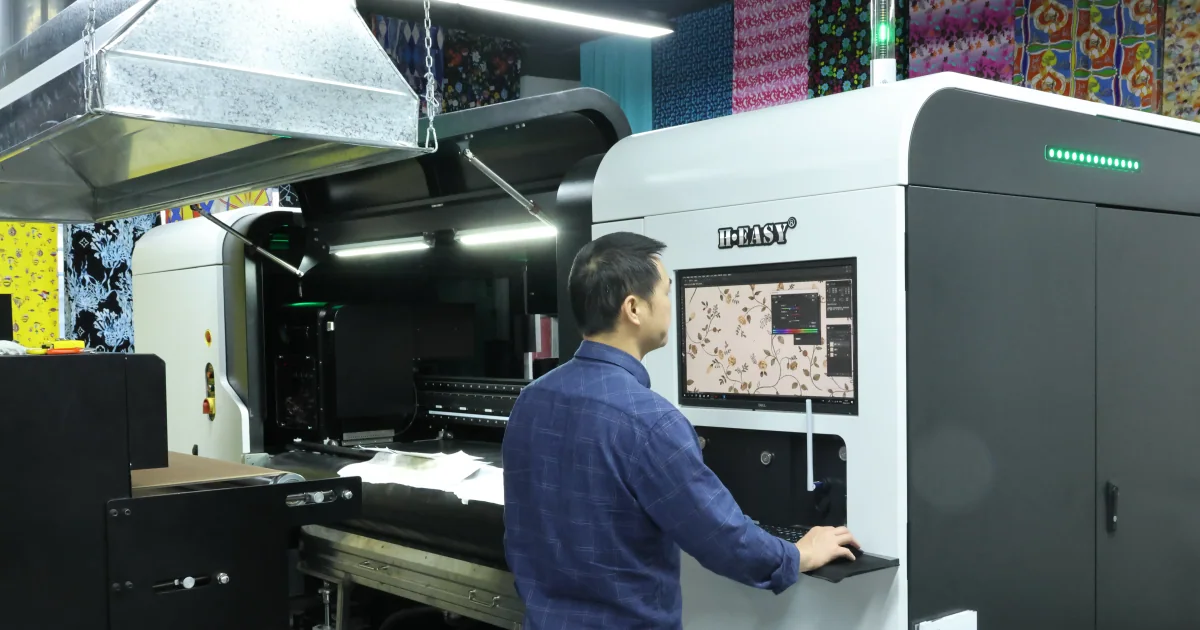
Why Pigment Digital Printing Is Growing Fast: Five Key Drivers
Pigment digital printing is growing because process control, flexible order needs, environmental scrutiny, investment planning and industry comparison are advancing together.
Aug 6, 2026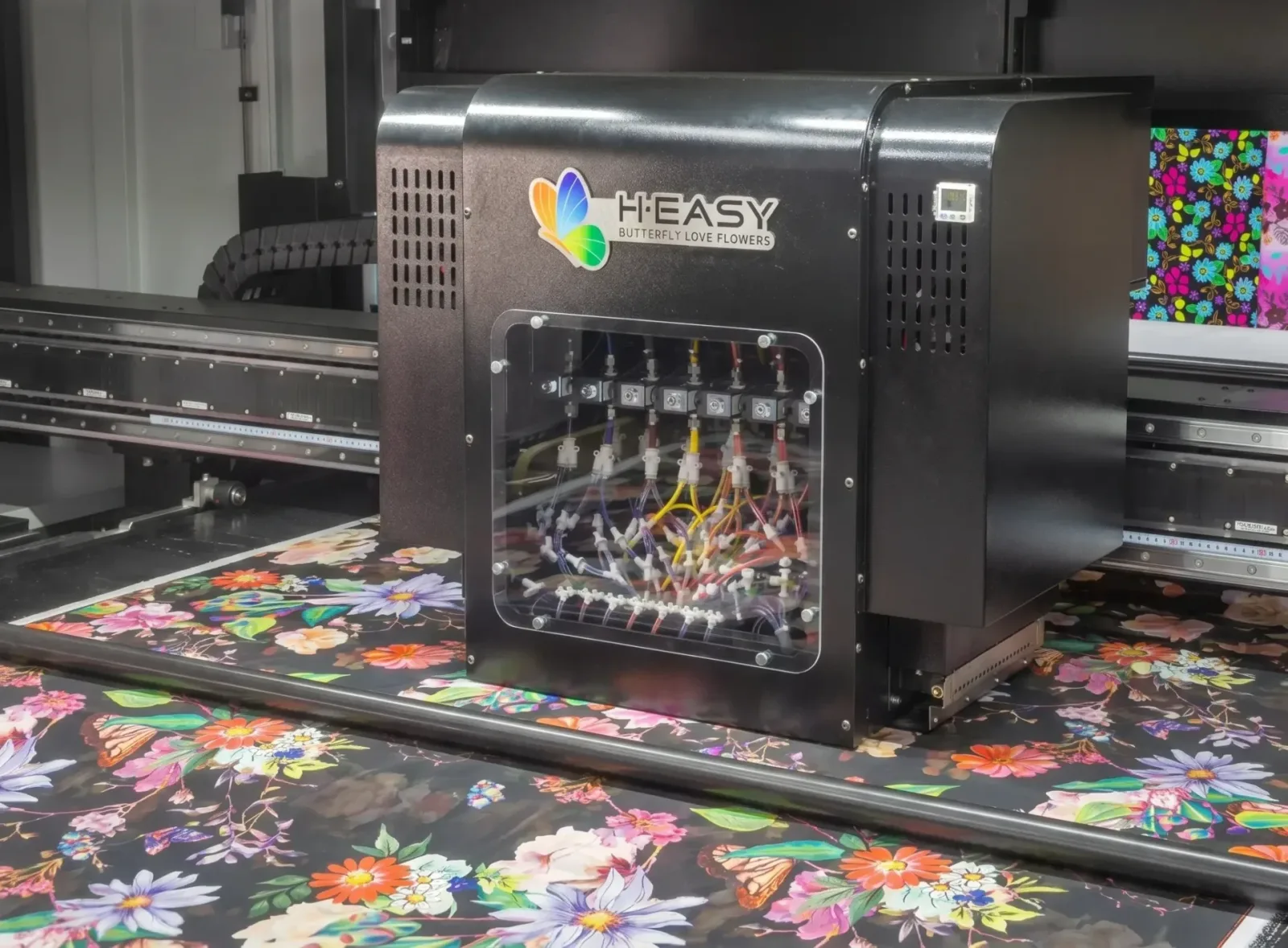
R2R Ink Workflows: Reactive, Pigment and Disperse Printing
Reactive targets cellulose, pigment uses a surface binder across qualified fabrics, and disperse diffuses into polyester. Choose by fabric, process and fastness tests.
Jul 27, 2026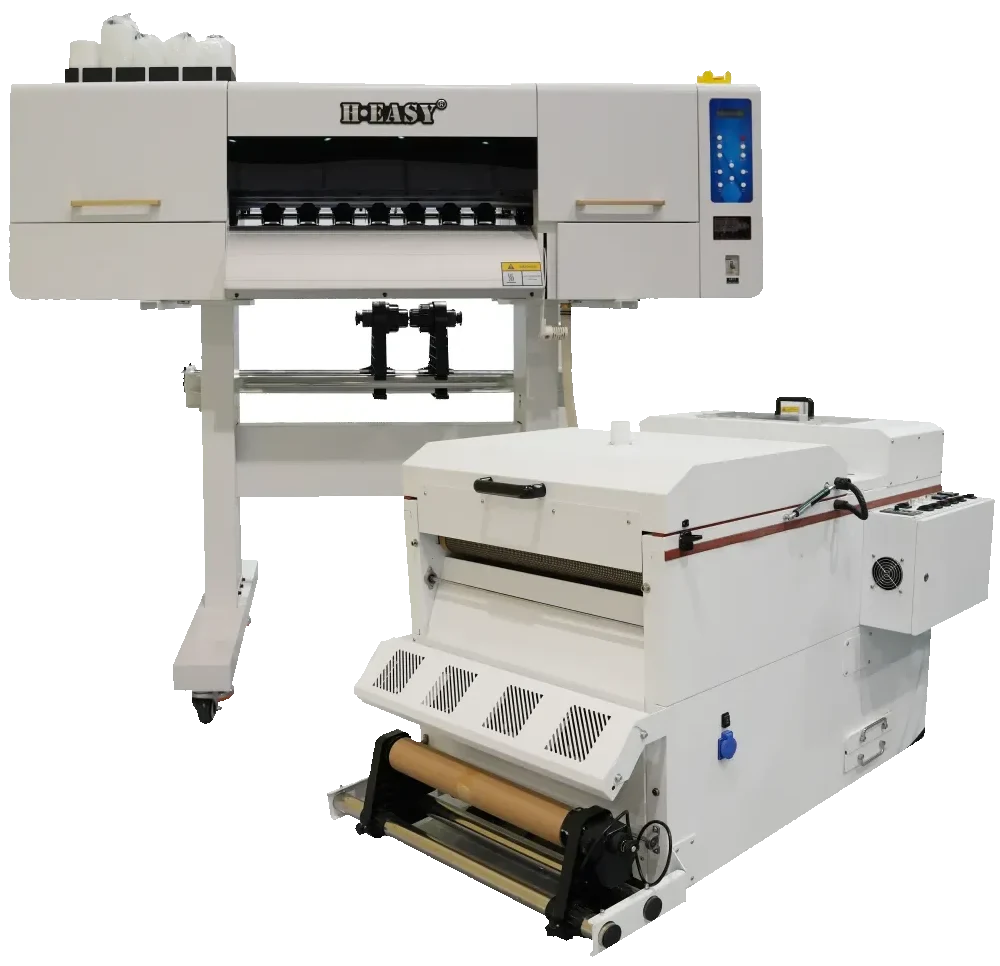
Choosing a DTF Printer: HY-702 / HY-704 Example Guide
Match DTF printer width and printheads to volume: XP600 desktop for sampling, dual i3200-A1 60cm for batch. White-ink circulation beats headline speed.
Sep 3, 2026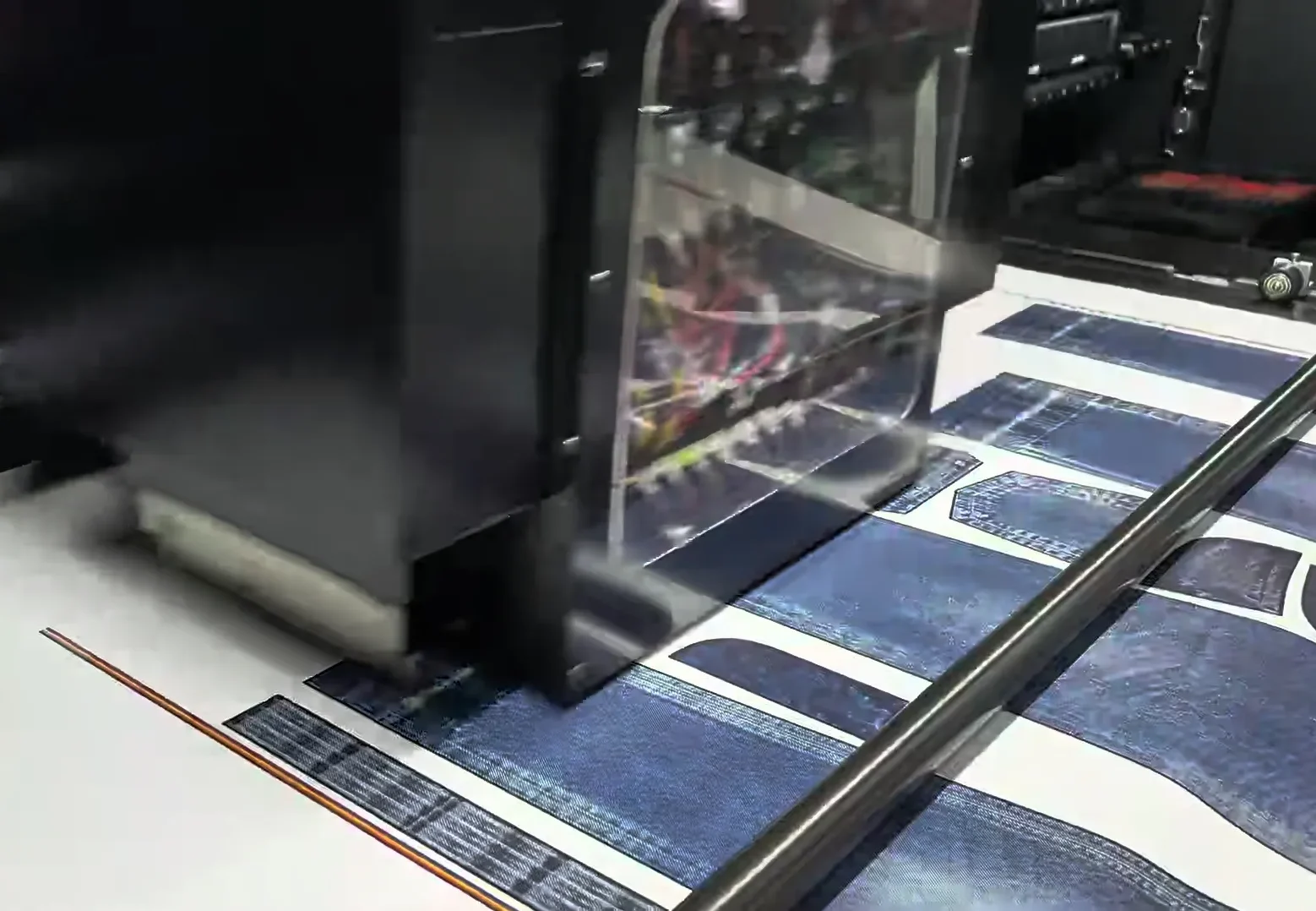
How Much Pigment Ink Is Used per Square Meter of Fabric?
Pigment ink use varies with coverage, color and fabric absorbency. Measure a representative sample, then multiply kg/m² by your current ink price.
Aug 4, 2026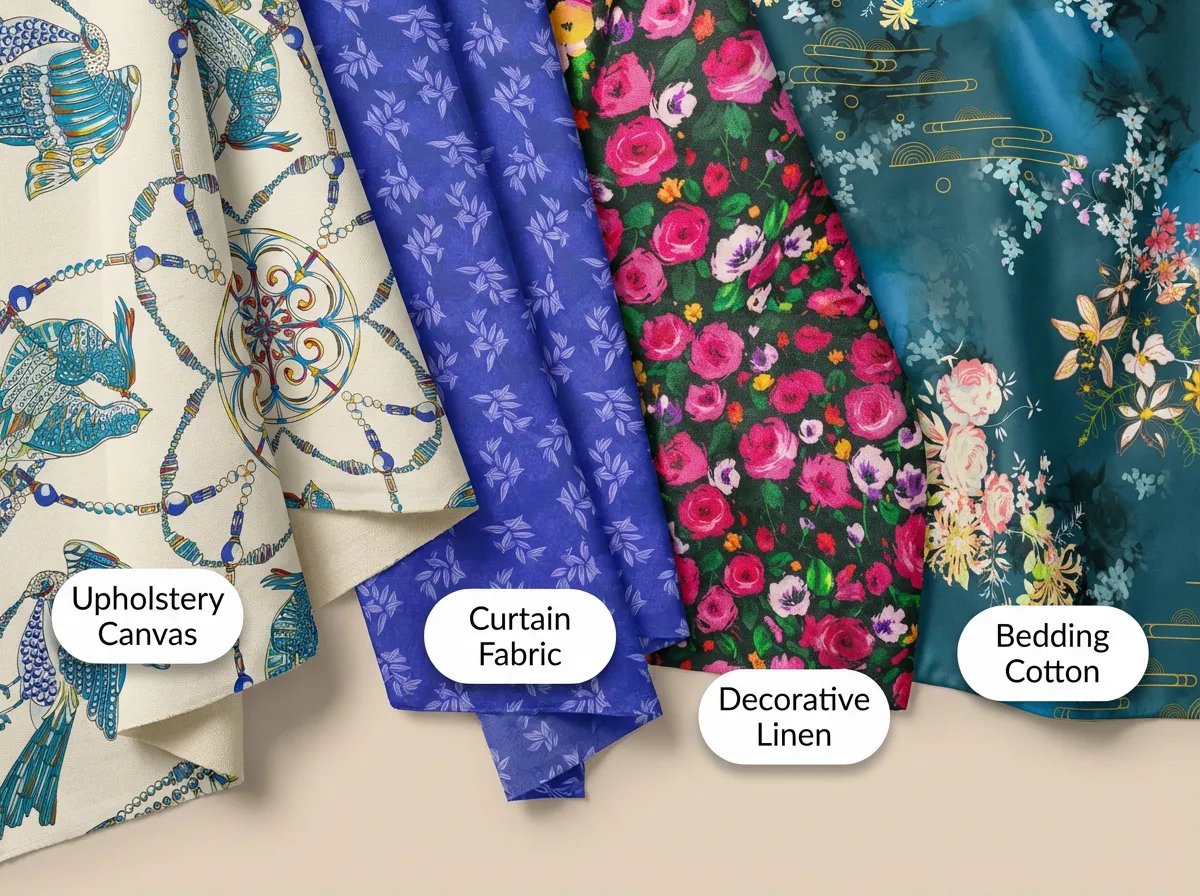
Why Pigment Ink Printing Works Well for Blended Fabrics
Pigment ink uses a surface binder rather than a fibre-specific dye reaction, so it can be qualified across many blends. Adhesion and fastness still require fabric testing.
Jul 27, 2026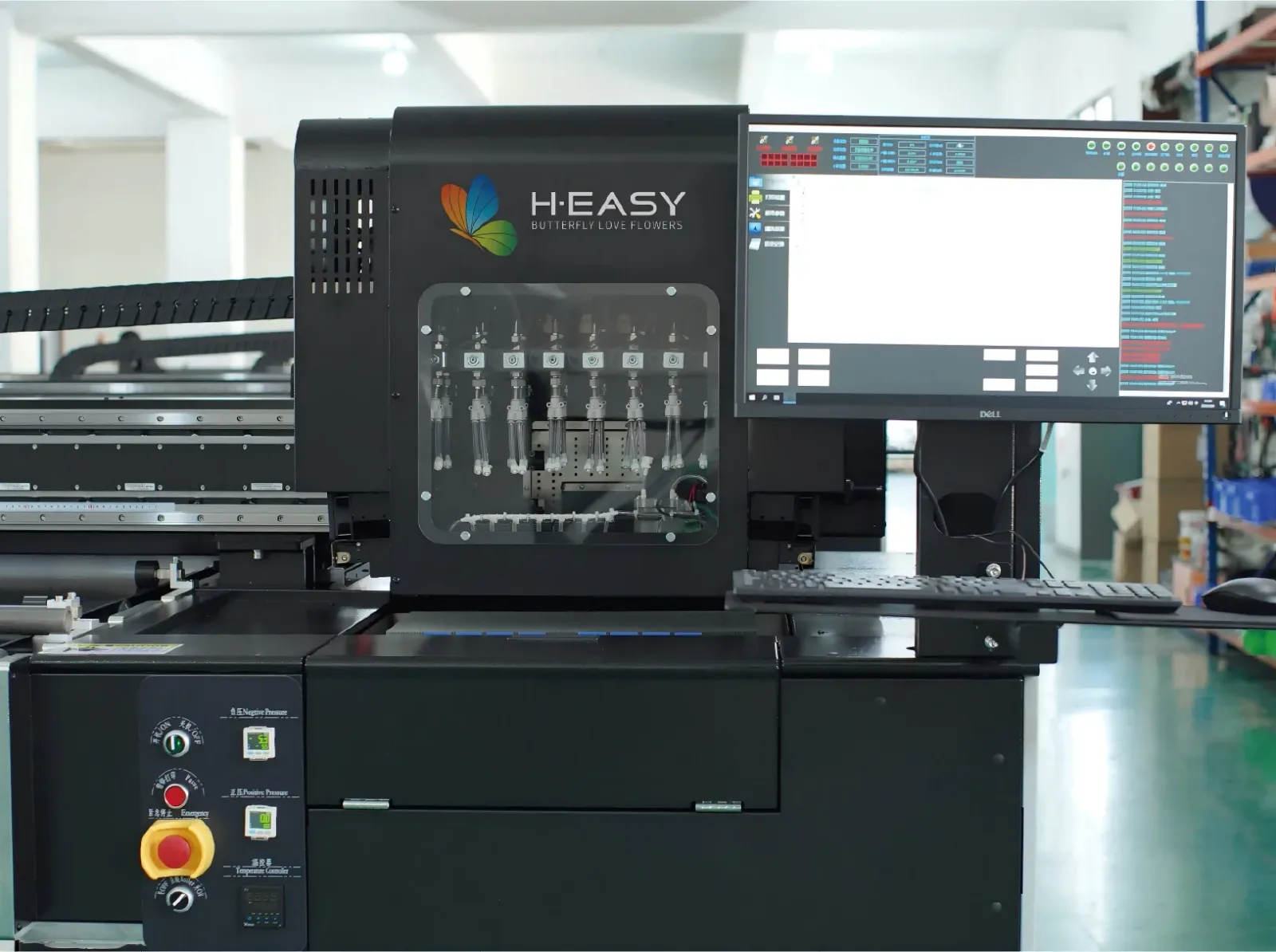
How No-Wash Pigment Printing Reduces Production Cost
A pigment no-wash route removes reactive printing's steam and wash stages. Compare the same job to quantify water, energy, labor and equipment effects.
Aug 4, 2026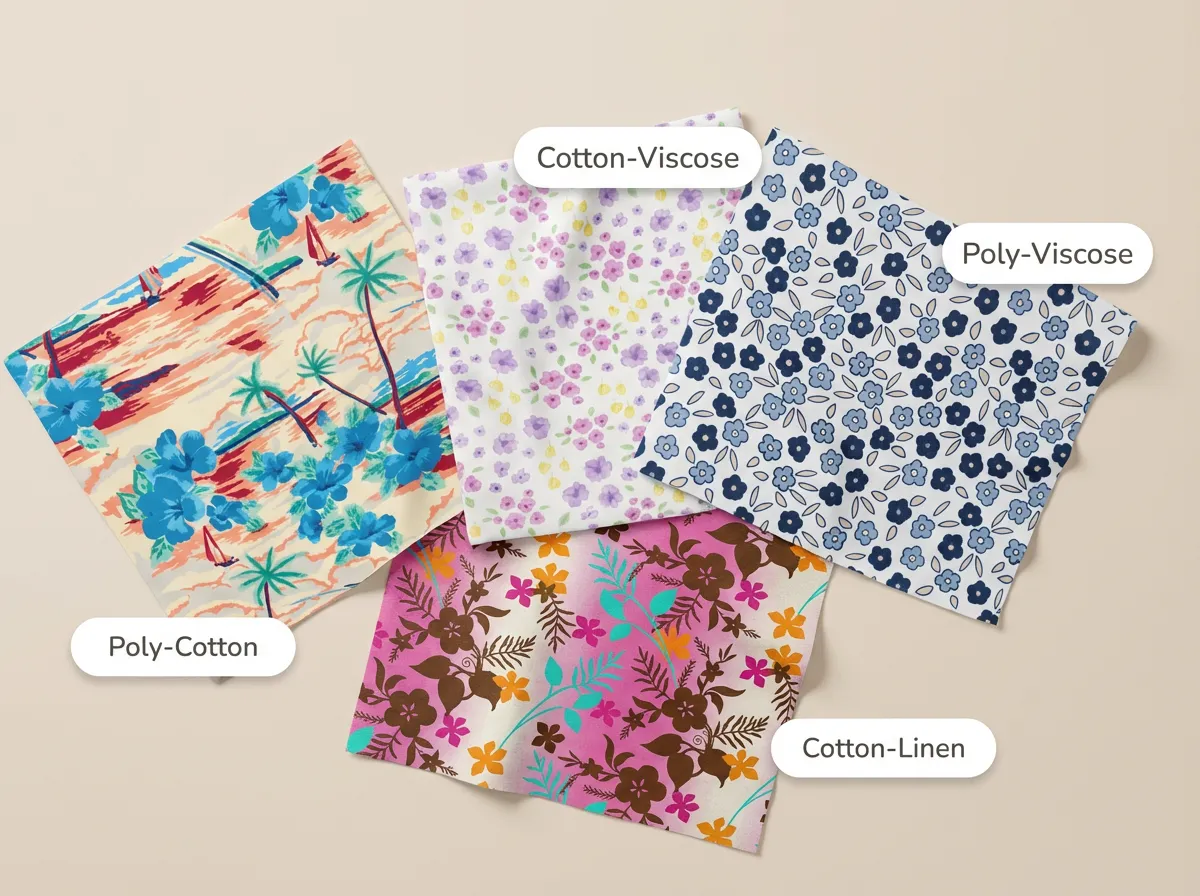
How Much Does Pigment Ink Printing Cost per Square Meter?
Pigment printing cost per square meter is not universal. Calculate ink, pretreatment, energy, labor, maintenance and waste for the same fabric and coverage.
Aug 4, 2026
Pigment Textile Printing - Fabric to Finished Product
Pigment textile printing: inspect, pretreat, print, dry and heat-fix within a qualified process window. It needs no dye wash-off; finishing may add an optional rinse.
Jul 27, 2026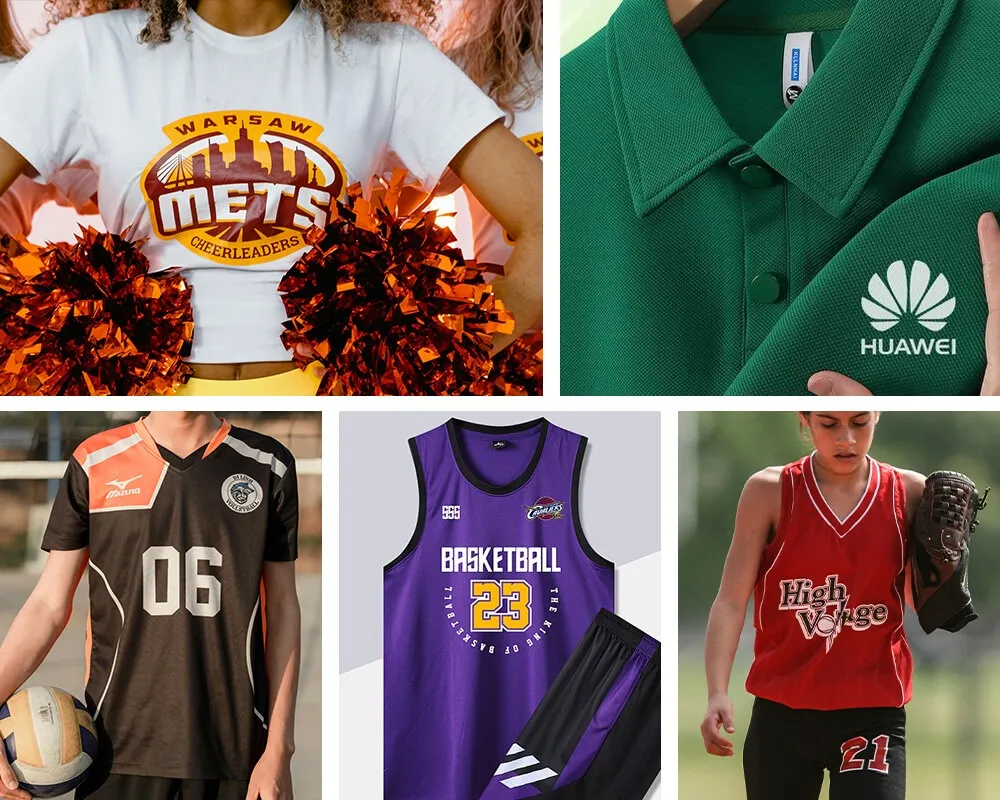
From Flat to 3D: Jersey Logo Customization with UV-DTF Technology
Layered UV-DTF on TPU/PET film builds silicone-like 3D raised jersey patches: white ink adds height, color the design, varnish the finish - no mold.
Sep 1, 2026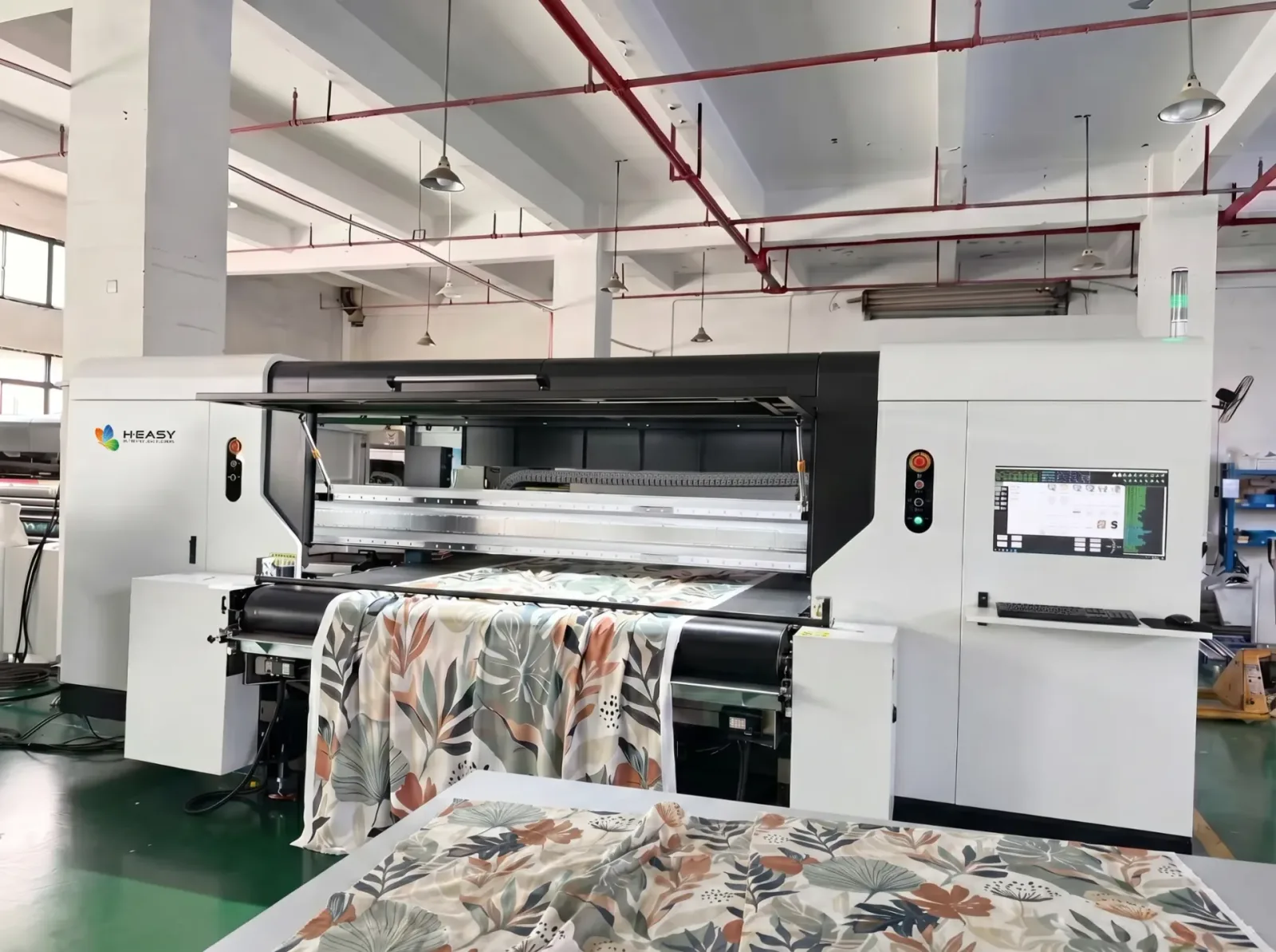
Fabric Pretreatment: Why It Matters in Pigment Printing
Pretreatment is a sizing coat applied before pigment printing. It controls ink adhesion, edge sharpness, color vibrancy and batch consistency across runs.
Jul 27, 2026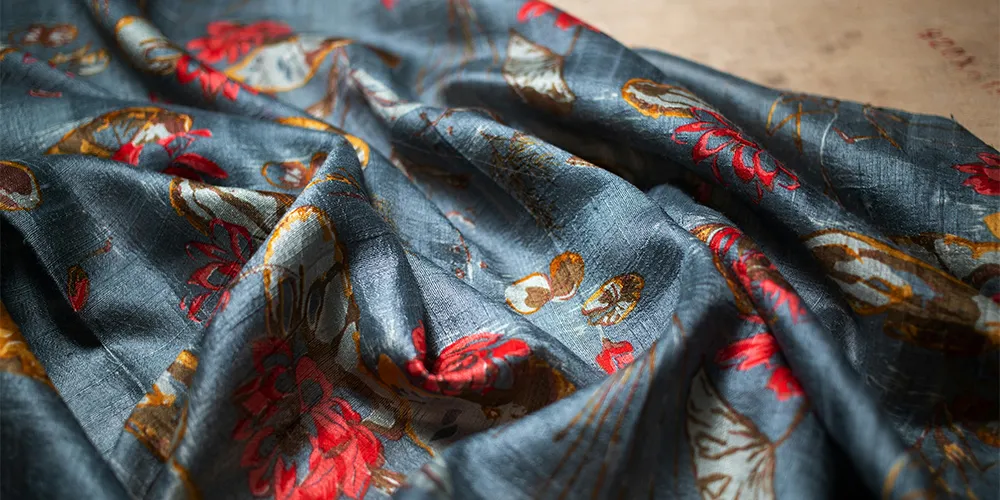
Why Pigment Ink Printing Is Making a Comeback in the Textile Industry
Pigment printing is being reevaluated for qualified no-wash workflows, flexible fabric programs and tighter environmental scrutiny. Compare complete routes, not headlines.
Jul 27, 2026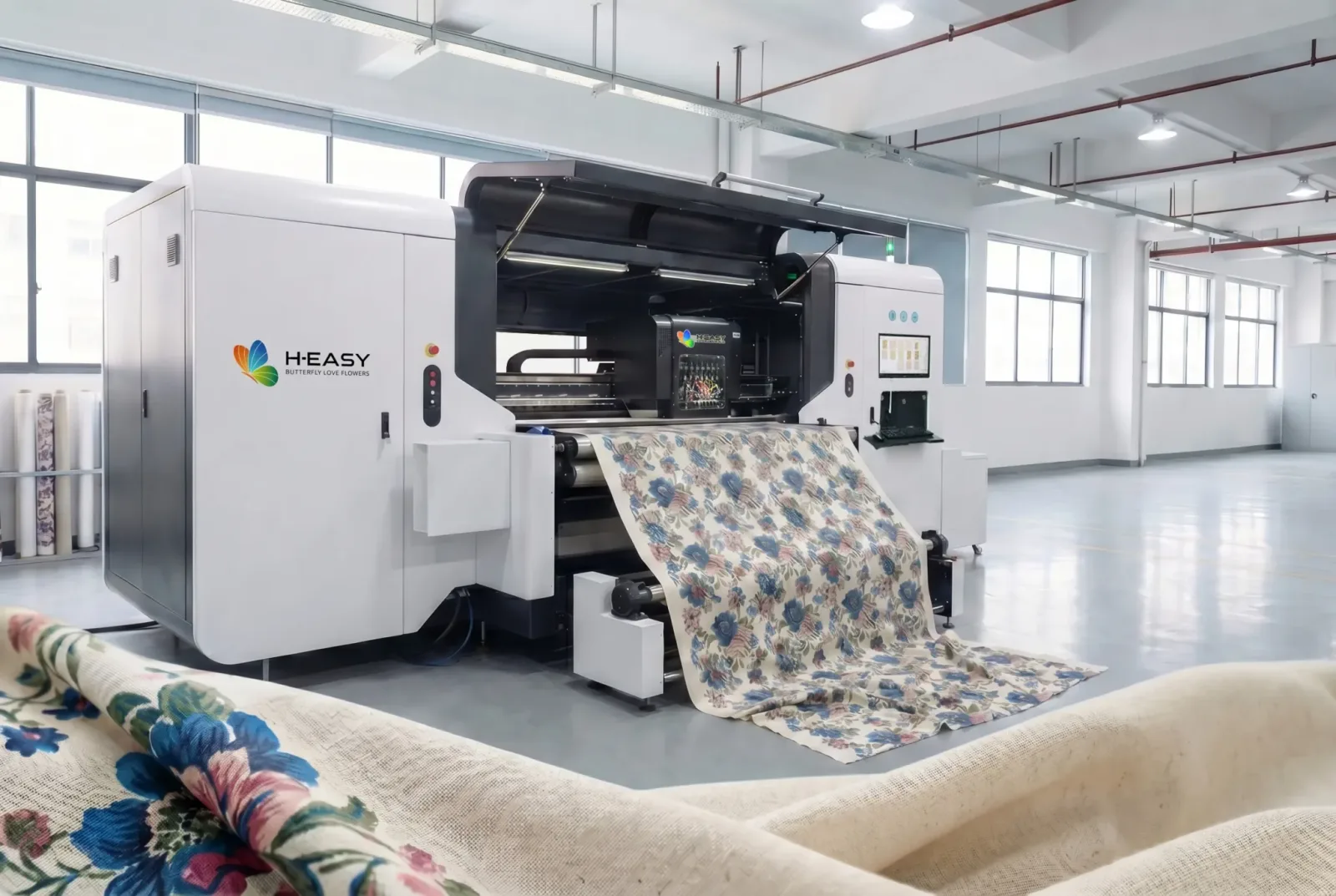
Pigment vs Reactive Printing: How to Choose
Choose pigment for a qualified heat-fix, no-wash route or reactive for a qualified cellulose route with steaming and washing. Test the same fabric first.
Aug 4, 2026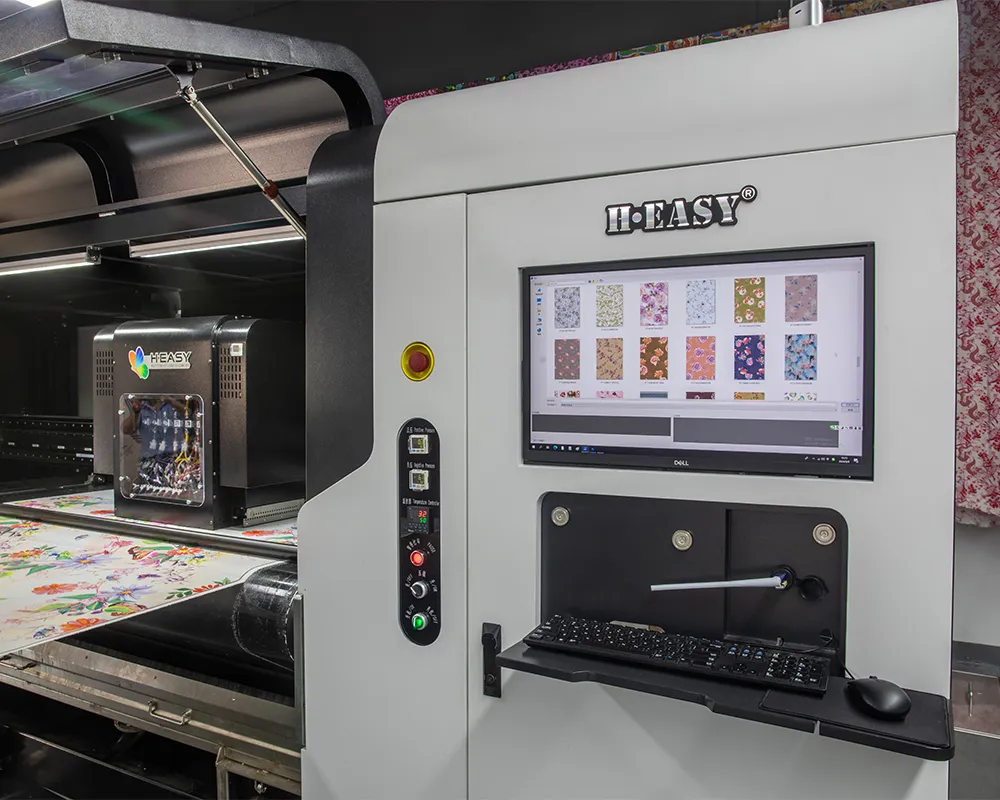
How to Choose the Right Fabric Printing Machine: HY-1808 vs HY-1816 vs HY-2232 vs HY-2632
Compare HY-1808, HY-1816, HY-2232 and HY-2632 by width, heads and qualified output; the 2.2m HY-2232 and 2.6m HY-2632 reach 650 m²/h at 2-pass.
Jul 31, 2026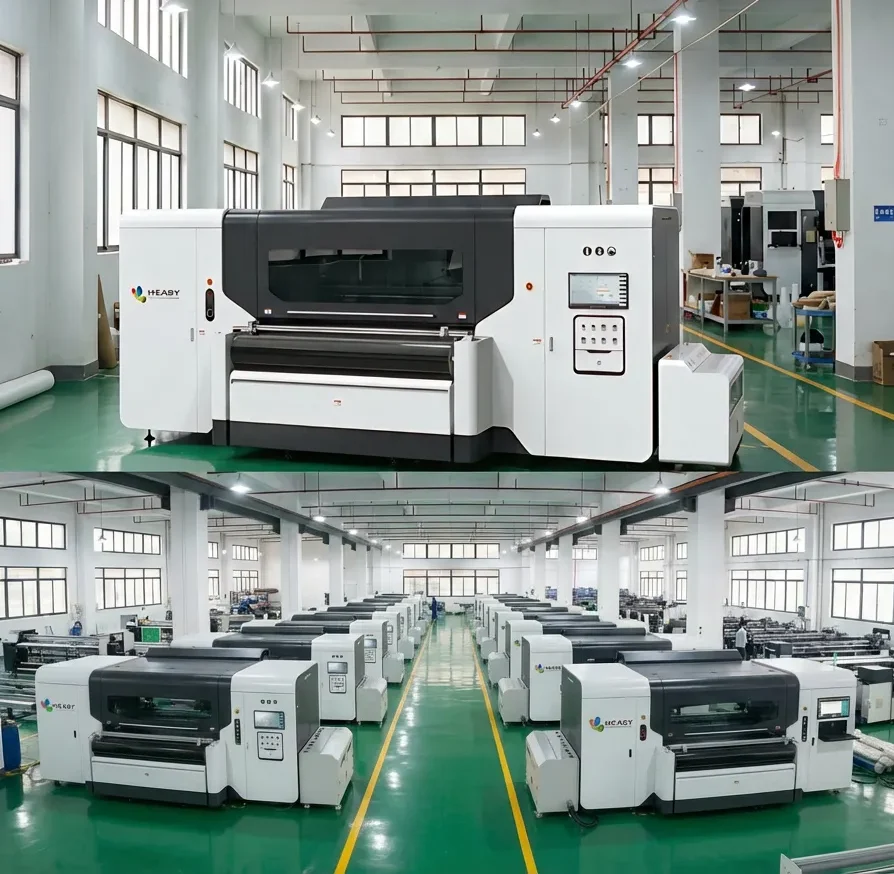
How to Choose the Right Fabric Printing Process for Your Textile Material
Choose reactive for cotton/linen/rayon, disperse for polyester, acid for silk/wool/nylon, and qualify pigment for blends or a no-wash workflow.
Jul 27, 2026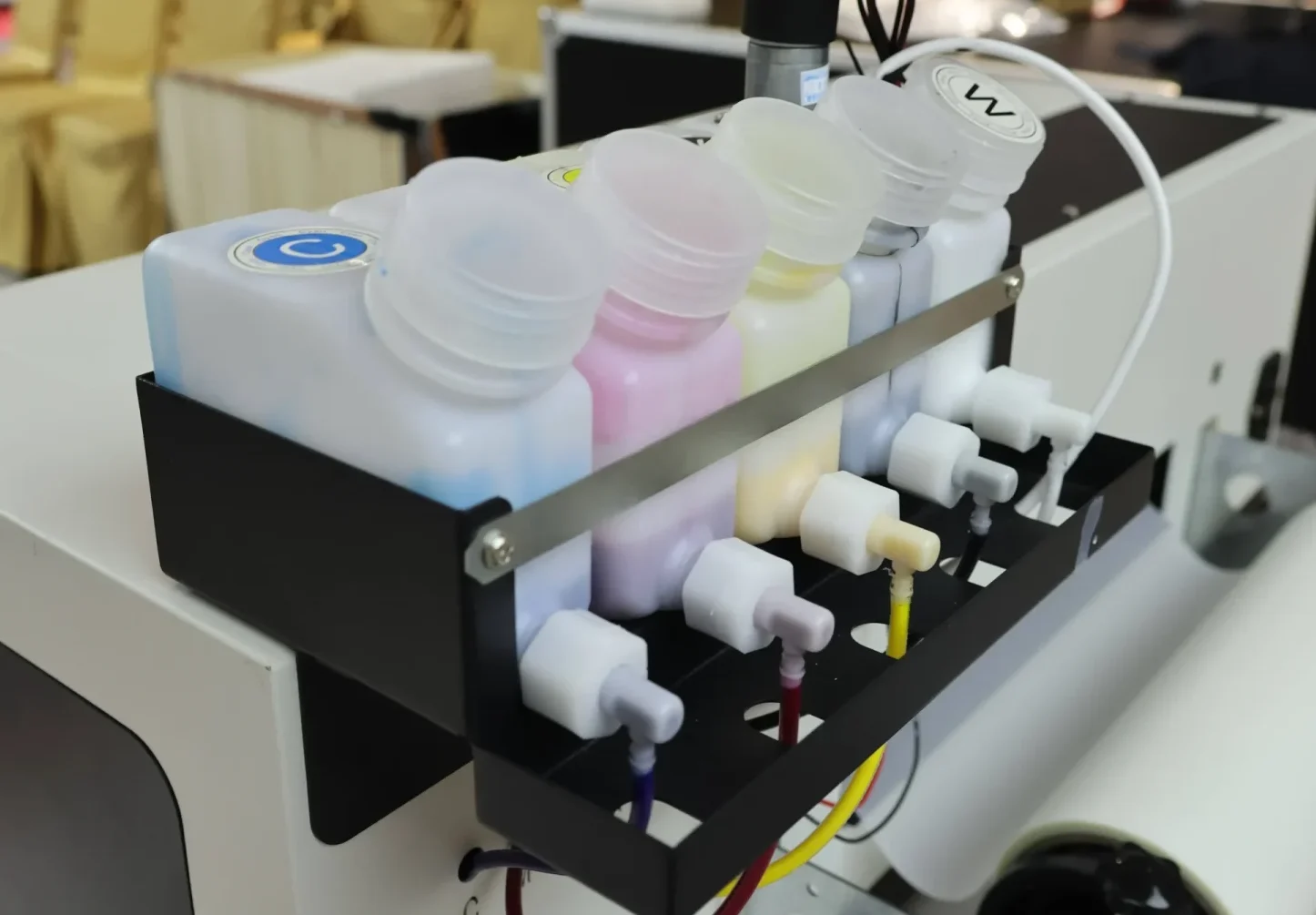
Why DTF Printing Performs Exceptionally on Dark Fabrics
DTF lays a high-opacity white underbase beneath the color layer, letting CMYK stay vivid on black, navy and other dark fabrics - no pretreatment needed.
Jul 15, 2026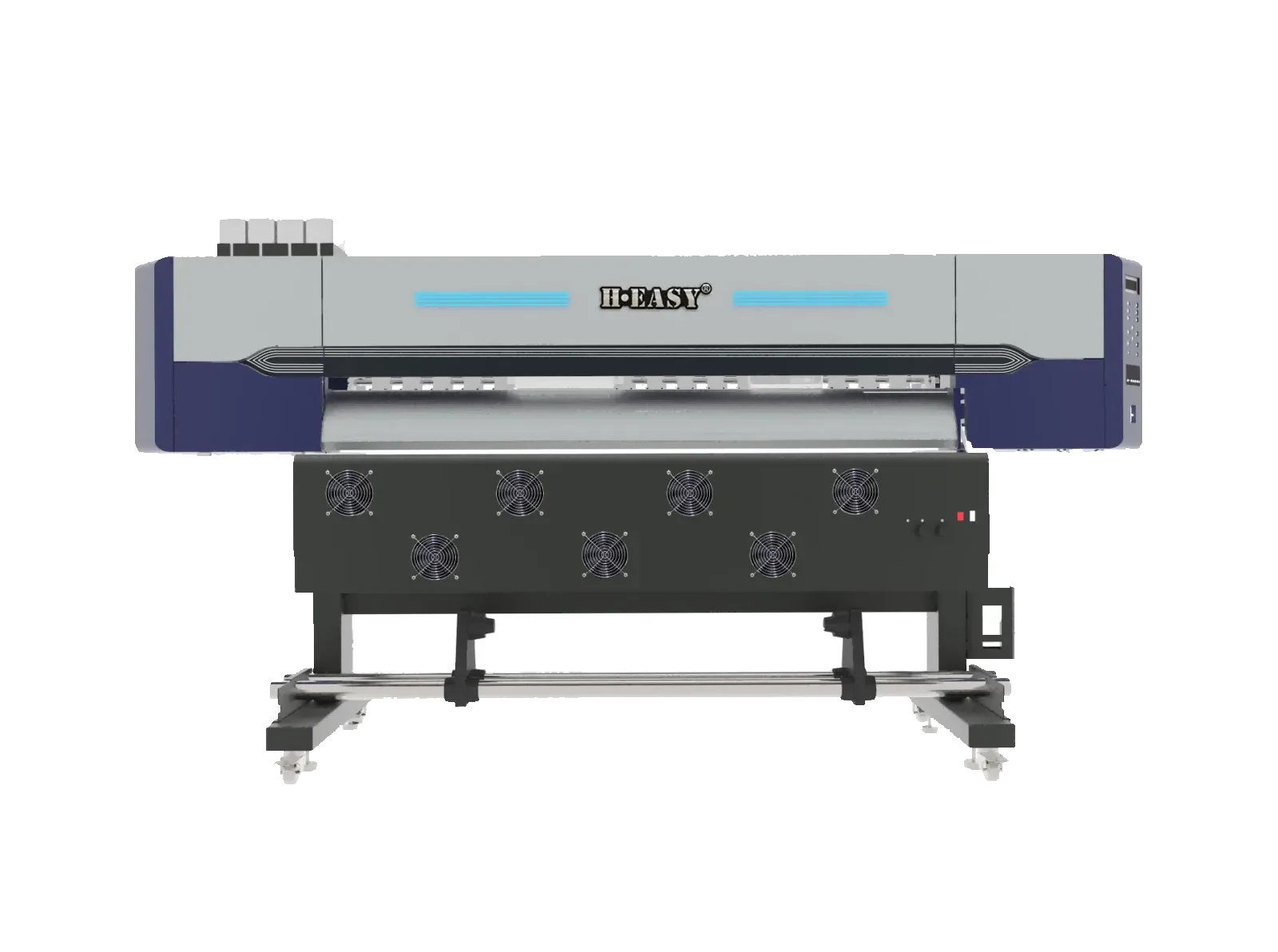
Sublimation vs DTG: How to Choose the Right Garment Printing Method
Sublimation suits polyester with no surface coating; DTG is strongest on cotton and uses matched pretreatment. Qualify the actual fabric, ink and wash target.
Mar 26, 2026
DTF vs UV-DTF Printing: Differences, Applications and Complete Guide
DTF prints on PET film and heat-presses onto fabric. UV-DTF prints on A film, UV-cures, laminates with B film and cold-transfers onto hard substrates.
Sep 1, 2026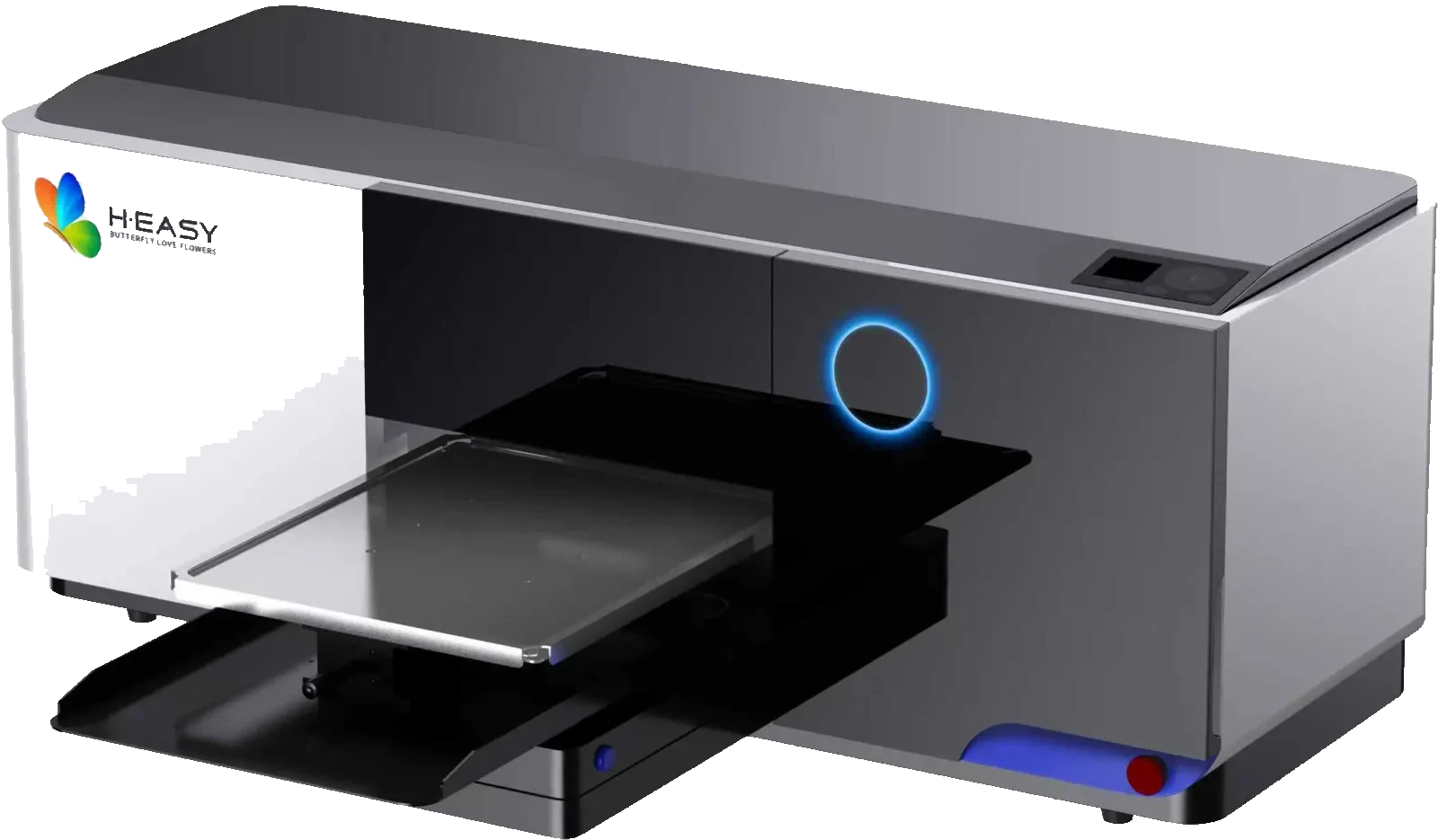
DTG Printer Price Guide 2026: Costs, ROI and Buying Tips
DTG printer prices in 2026: entry $3K–$7K, mid-range $7K–$15K, industrial $15K–$70K+. Add $500–$5K pretreatment, $200–$2K press and $500–$2K RIP software.
Jul 15, 2026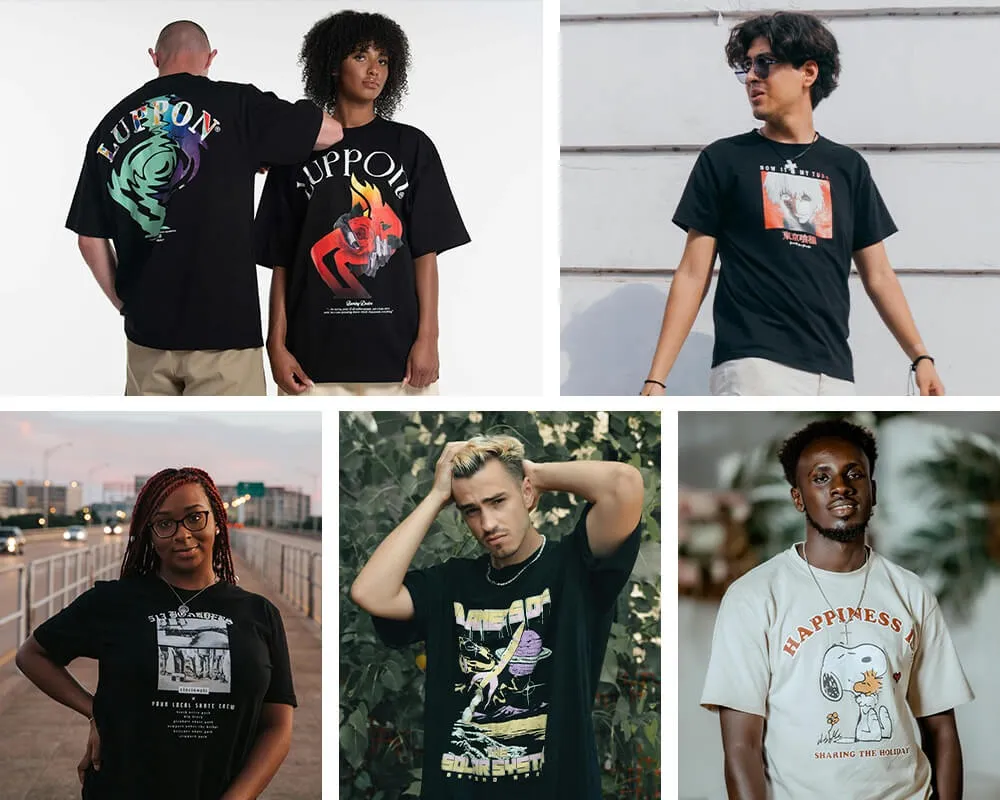
DTF Heat-Transfer Adhesion: Causes and Solutions
DTF adhesion failures have four causes: poor materials, miscalibrated equipment, uneven powder or wrong heat-press settings. Cure: 150 °C / 0.5 MPa / 15 s.
Mar 17, 2026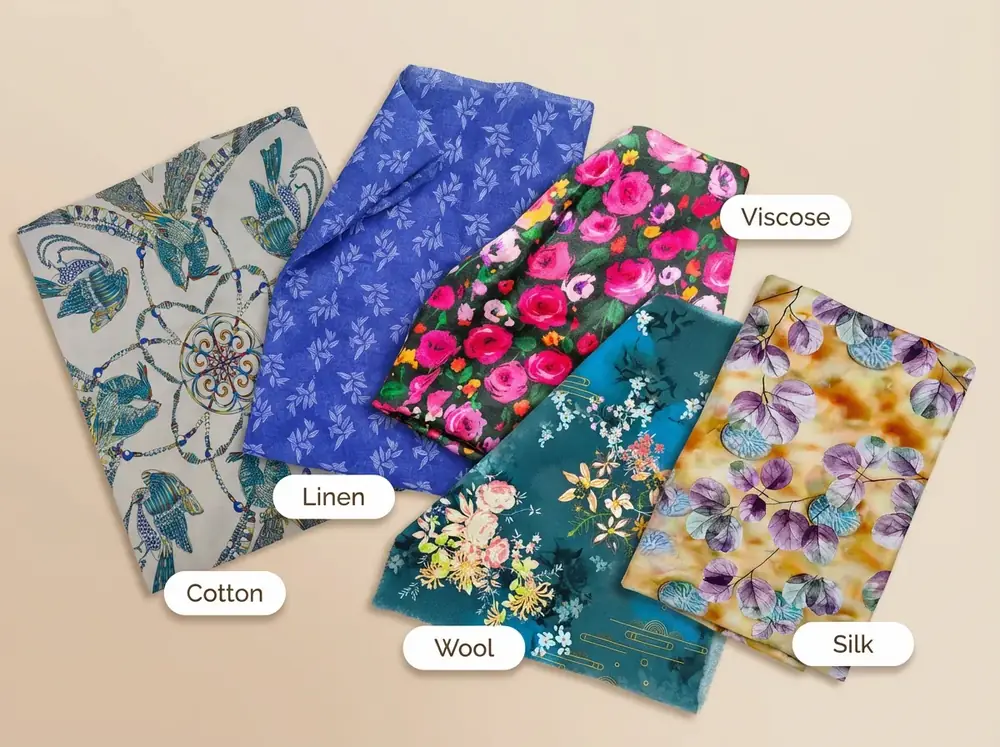
How to Start a DTG Printing Business in 2026: From Setup to Profit
A DTG business in 2026 costs $13,500–$30,000 fully equipped: printer, pretreat, press, software and inventory. Pick a niche and match printer to volume.
Jul 15, 2026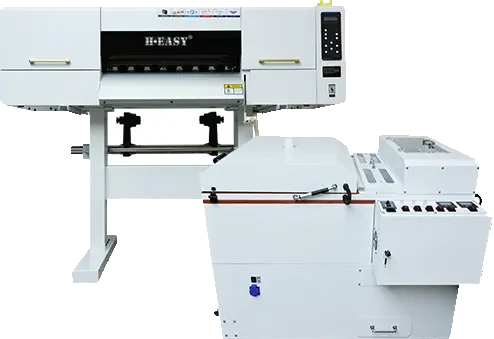
60cm DTF Printer: Buying Guide and Key Considerations
A 60 cm DTF printer is a production direct-to-film machine with a 600 mm web, dual industrial heads and an inline powder shaker - built for daily volume.
Sep 3, 2026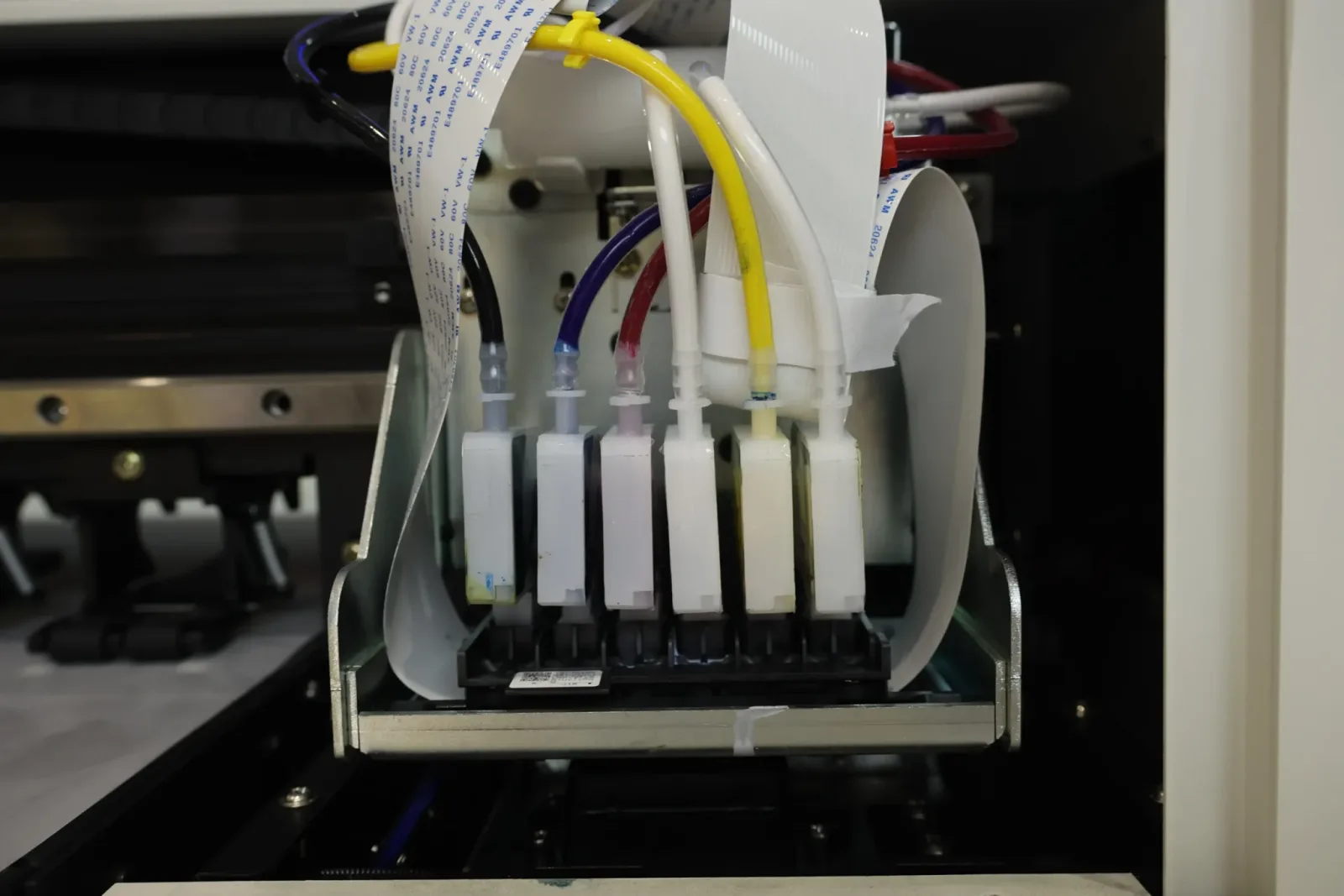
DTF Printing Efficiency: Managing Speed and Image Quality
DTF speed and quality trade off through DPI and pass count. On the HY-702 reference configuration, 4-pass is 22 m²/h and 6-pass is 15 m²/h.
Sep 3, 2026
DTF vs Screen Printing: Which Printing Method Makes Sense Today?
DTF is plate-free, photo-quality and suits mixed-SKU, small-to-mid volume. Screen printing wins on per-unit cost above ~100–200 identical garments.
Feb 10, 2026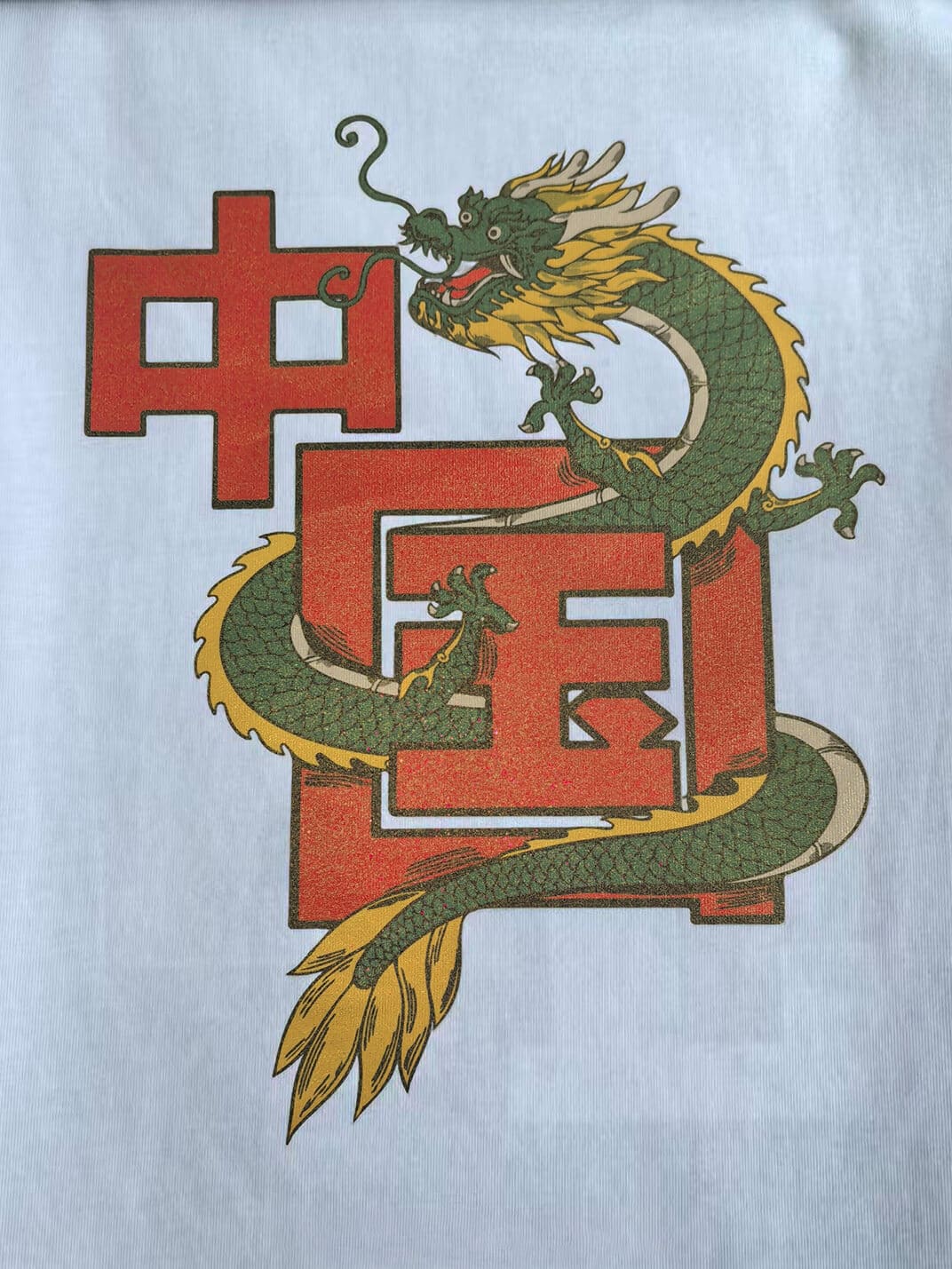
The Ultimate Guide to DTF Film: How to Achieve Smooth, Durable, Vibrant Prints
DTF film is coated PET for receiving ink and releasing the transfer. A 75 μm film is a common starting point; qualify thickness, peel and pressing from the paired TDS.
Feb 5, 2026
DTF Printer Maintenance Checklist (Daily / Weekly / Monthly)
Daily: nozzle check, white-ink circulation, wiper and cap clean. Weekly: capping pad, ink tubes, encoder strip. Monthly: cap seals, wiper and pump check.
Jul 15, 2026
How to Prevent DTF Print Fading: Ink, Curing, and Maintenance Tips
Prevent DTF print fading by qualifying the matched ink, film, powder and garment process, then checking color, adhesion and care on finished samples.
Oct 12, 2026
How Much Does It Cost to Start a DTF Printing Business in 2026?
A DTF printing business in 2026 costs $5,000–$10,000 basic, $10,000–$20,000 mid-range, $20,000+ industrial, plus about $1–$2.50 per item in consumables.
Jul 15, 2026The Global Shift from DTG to DTF: What Apparel Brands Need to Know
IDC described a continuing DTG-to-DTF move in Q2 2024, while its public release did not report separate DTF units. Compare both routes by fabric and workflow.
Jul 15, 2026
The Complete DTF Printing Guide: Process, Fabrics, and UV-DTF Comparison
DTF prints CMYK + white onto PET film, dusts powder, cures and heat-presses to fabric - cotton, polyester, nylon and blends. UV-DTF adds hard substrates.
Sep 1, 2026
DTG vs DTF: Which Is More Profitable for Your Factory?
DTF has lower per-piece cost and higher throughput; DTG has the softest hand but needs pretreatment. Run both - DTG for cotton, DTF for the rest.
Jul 20, 2026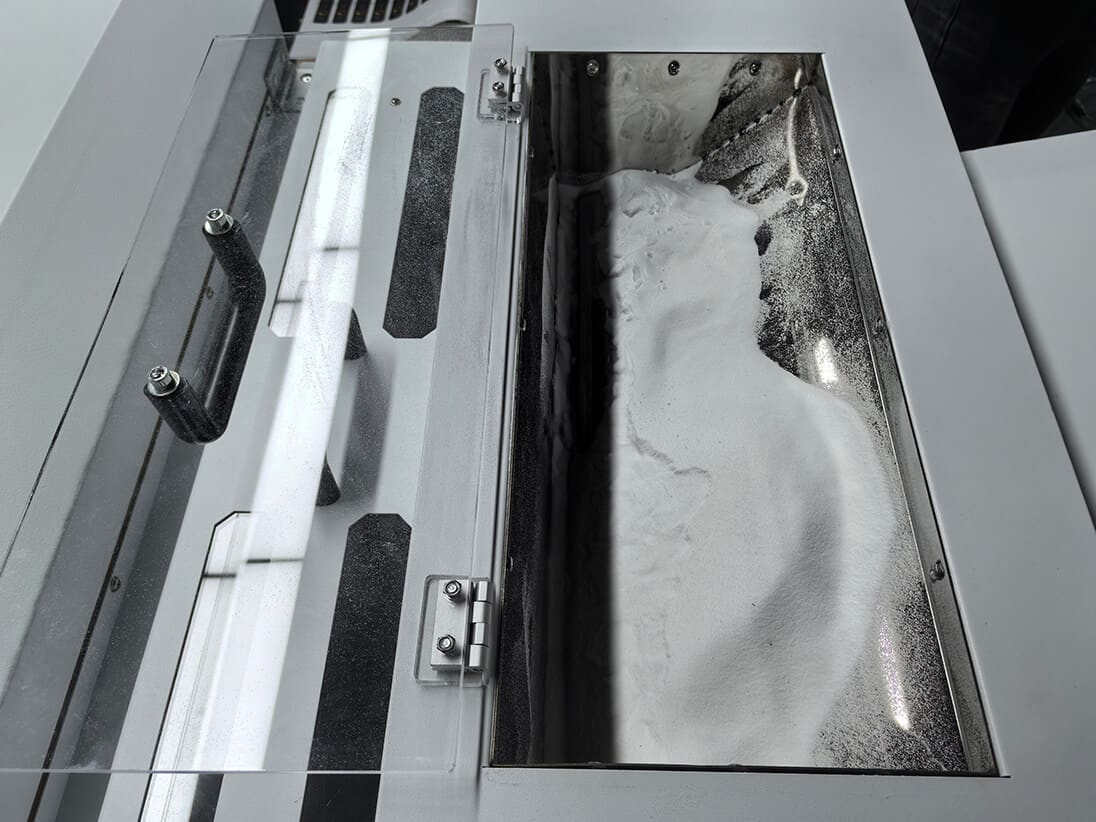
DTF Powder Size and Curing: Separate Melting from Garment Transfer
Select DTF powder for the specified ink, film and garment system. Record melting and transfer settings separately, then qualify finished samples.
Oct 20, 2026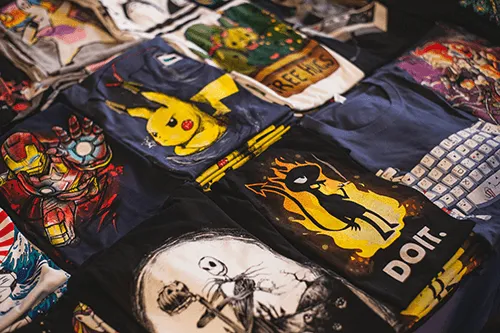
Why DTG Pretreatment Makes or Breaks Print Quality
DTG pretreatment is a cationic polymer coat holding anionic pigment ink on the fabric surface. Without it, white ink sinks in, colors dull and edges blur.
Jul 20, 2026
Digital Fabric Printing Transformation: A Mill Roadmap
Transform a fabric-printing mill by routing the right orders, qualifying the complete ink and finishing process, proving sellable output, and scaling with traceable controls.
Aug 14, 2026
H·EASY Supports “Dil se Pakistan” Charity Event with DTG Printing Technology
H·EASY joined the “Dil se Pakistan” charity event in Beijing, using the HY-4050 DTG printer for live T-shirt customization in support of children affected by thalassemia.
Sep 16, 2026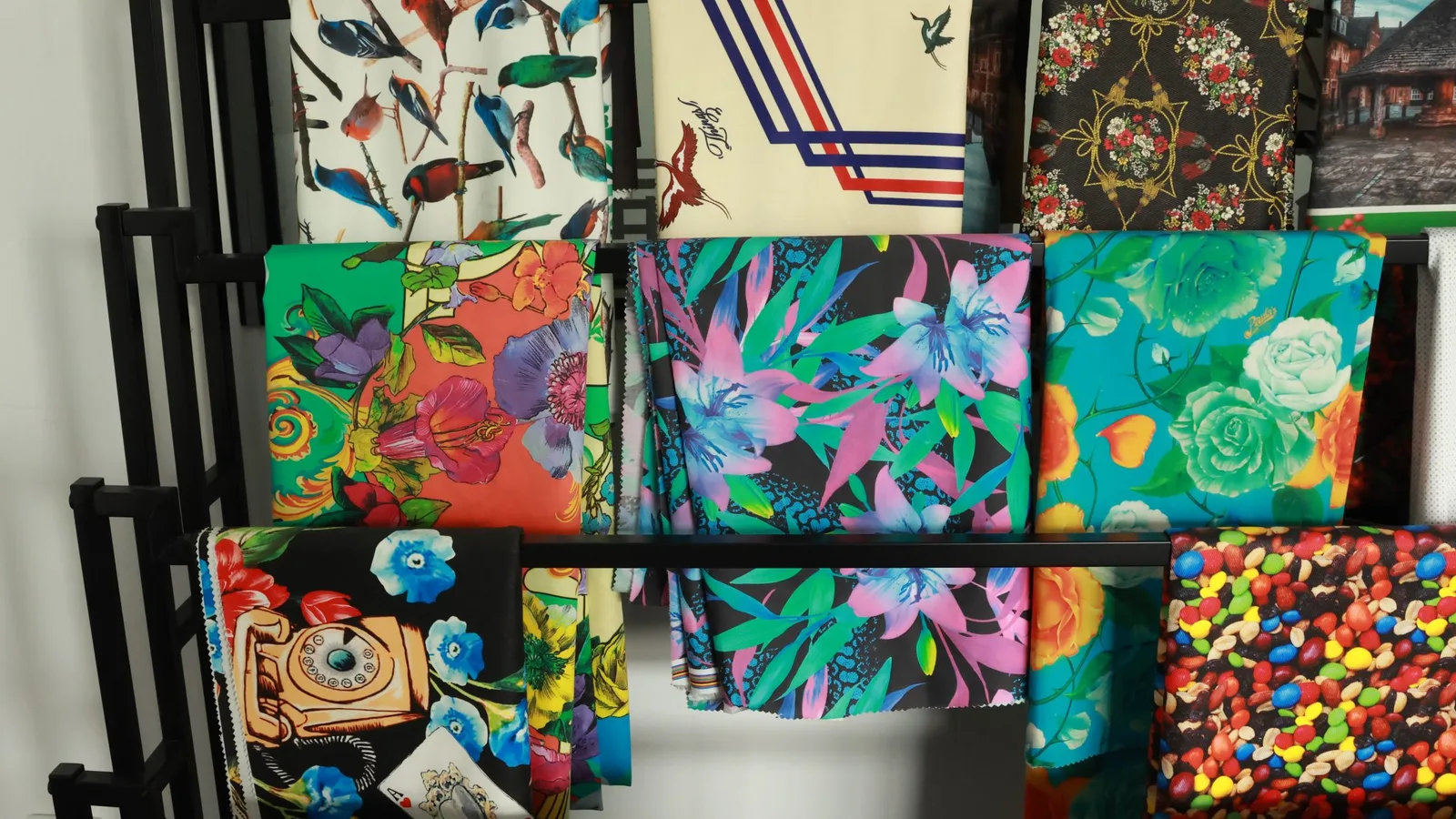
Digital Floral Fabric Printing: A Production Workflow
Reliable floral fabric printing starts with a seamless repeat, a fabric-matched ink route, a controlled strike-off and consistent finishing before bulk approval.
Aug 20, 2026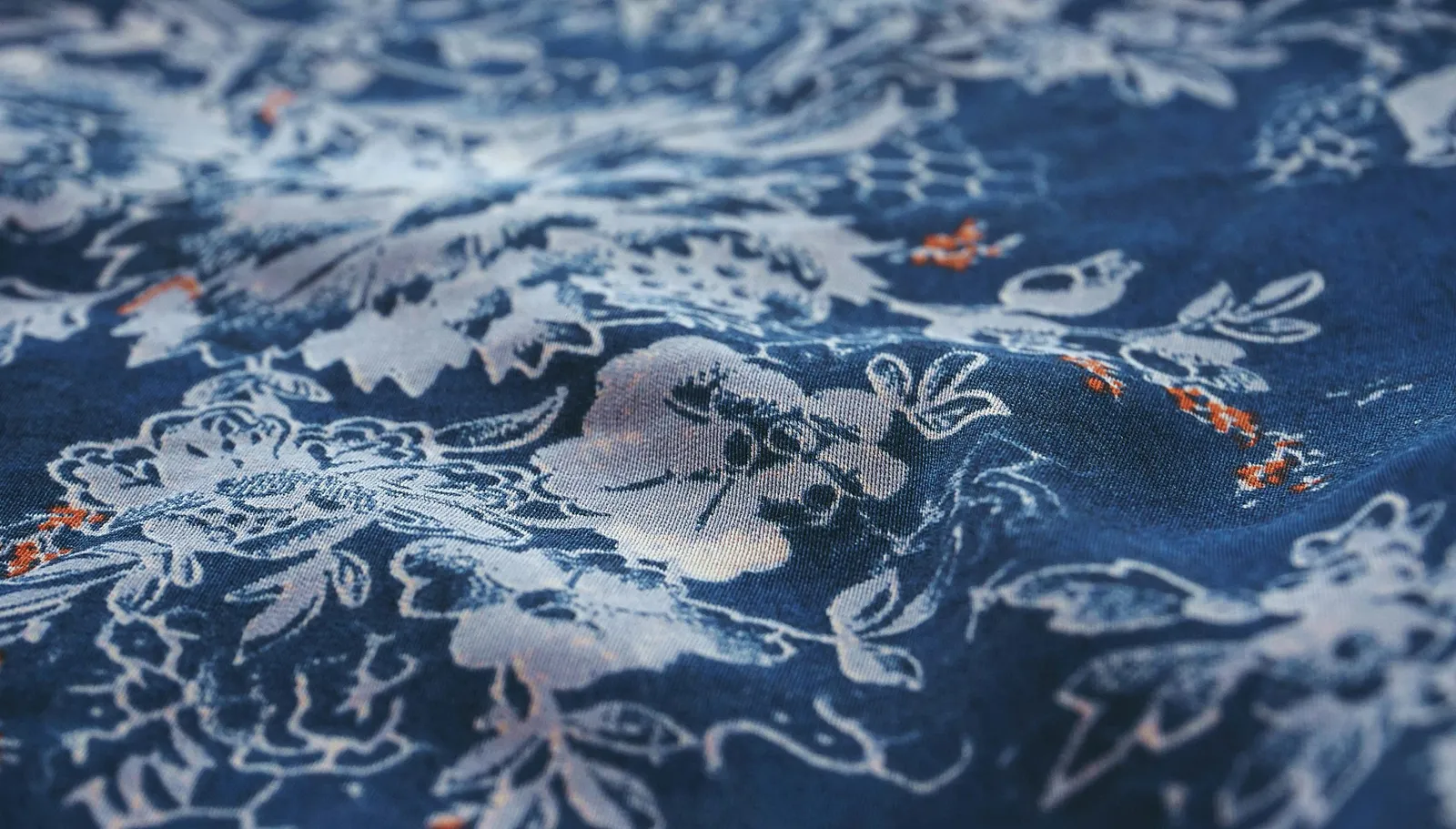
Reactive Cotton Printing: Process Control Guide
Control reactive cotton printing as one linked route: qualify the fabric, pretreatment, printing, steaming, washing, drying, and final inspection together.
Aug 14, 2026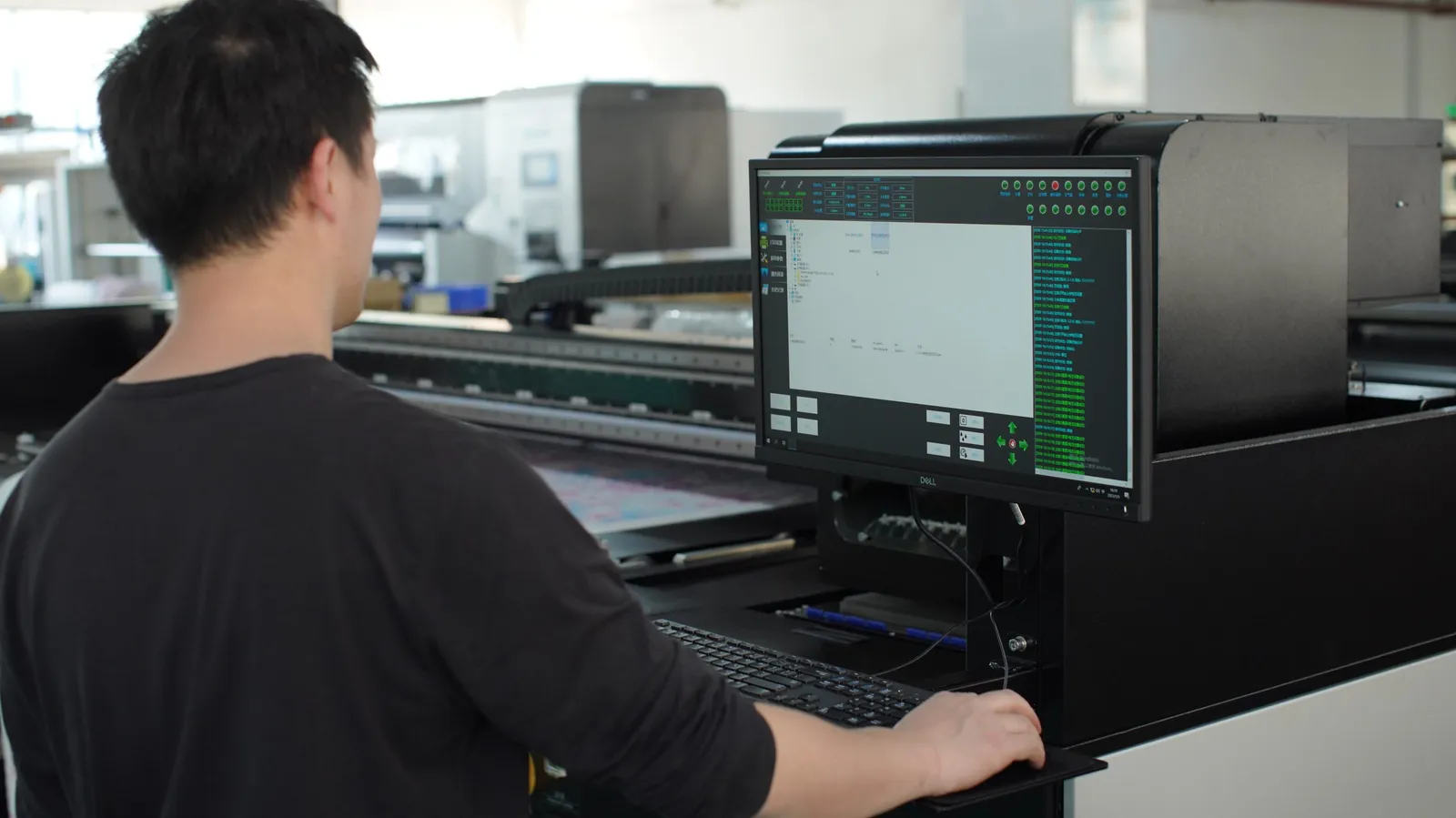
Garbled Image Troubleshooting for Textile Printers
Fix a garbled textile print by preserving the failed job, comparing the RIP preview with a known-good file, isolating the data path, and separating image faults from motion or ink defects.
Aug 15, 2026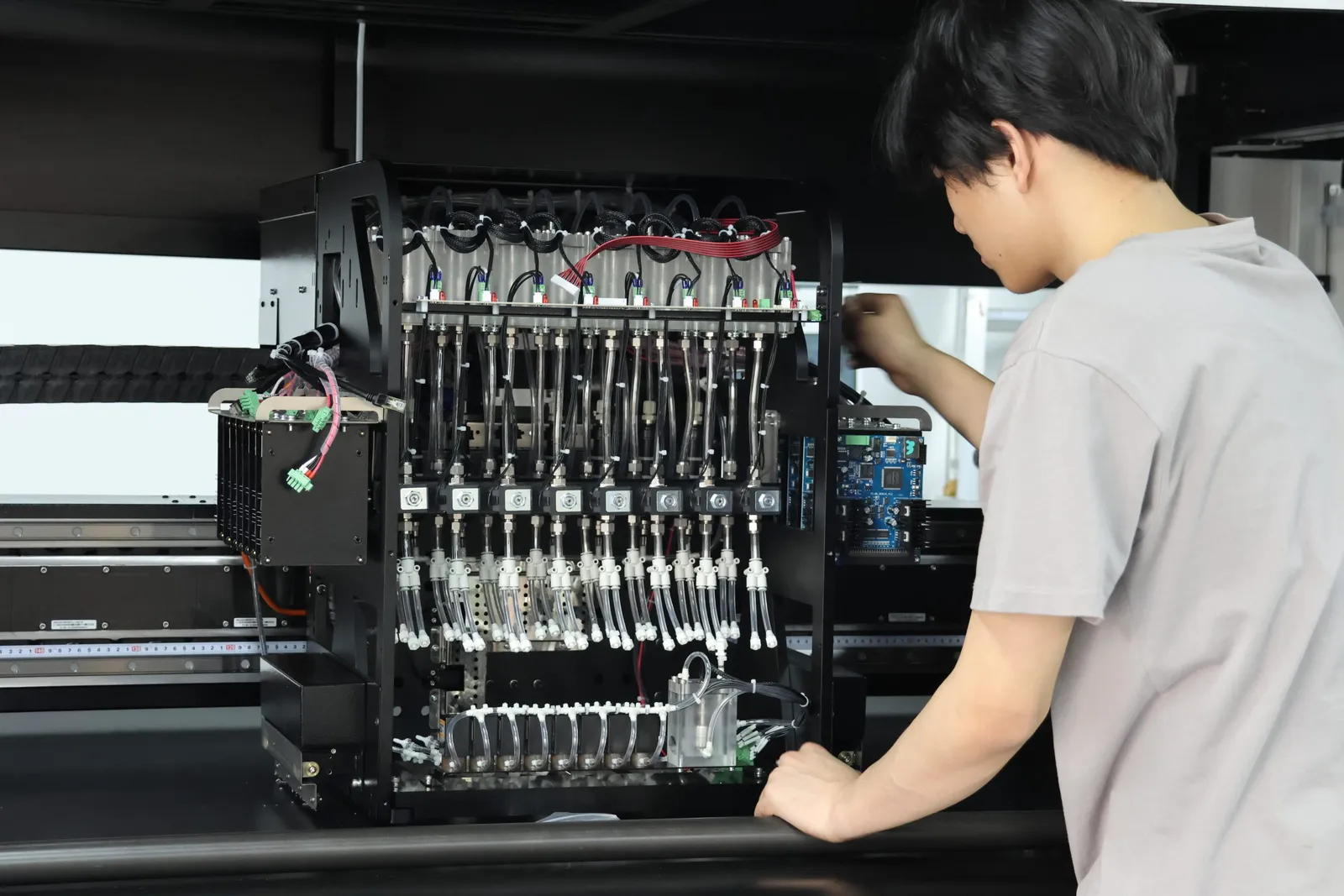
Digital Textile Printhead Installation Safety Guide
Prevent printhead damage by isolating power, controlling static, checking dry connectors and cable alignment, protecting the nozzle face, and using the approved startup procedure.
Aug 15, 2026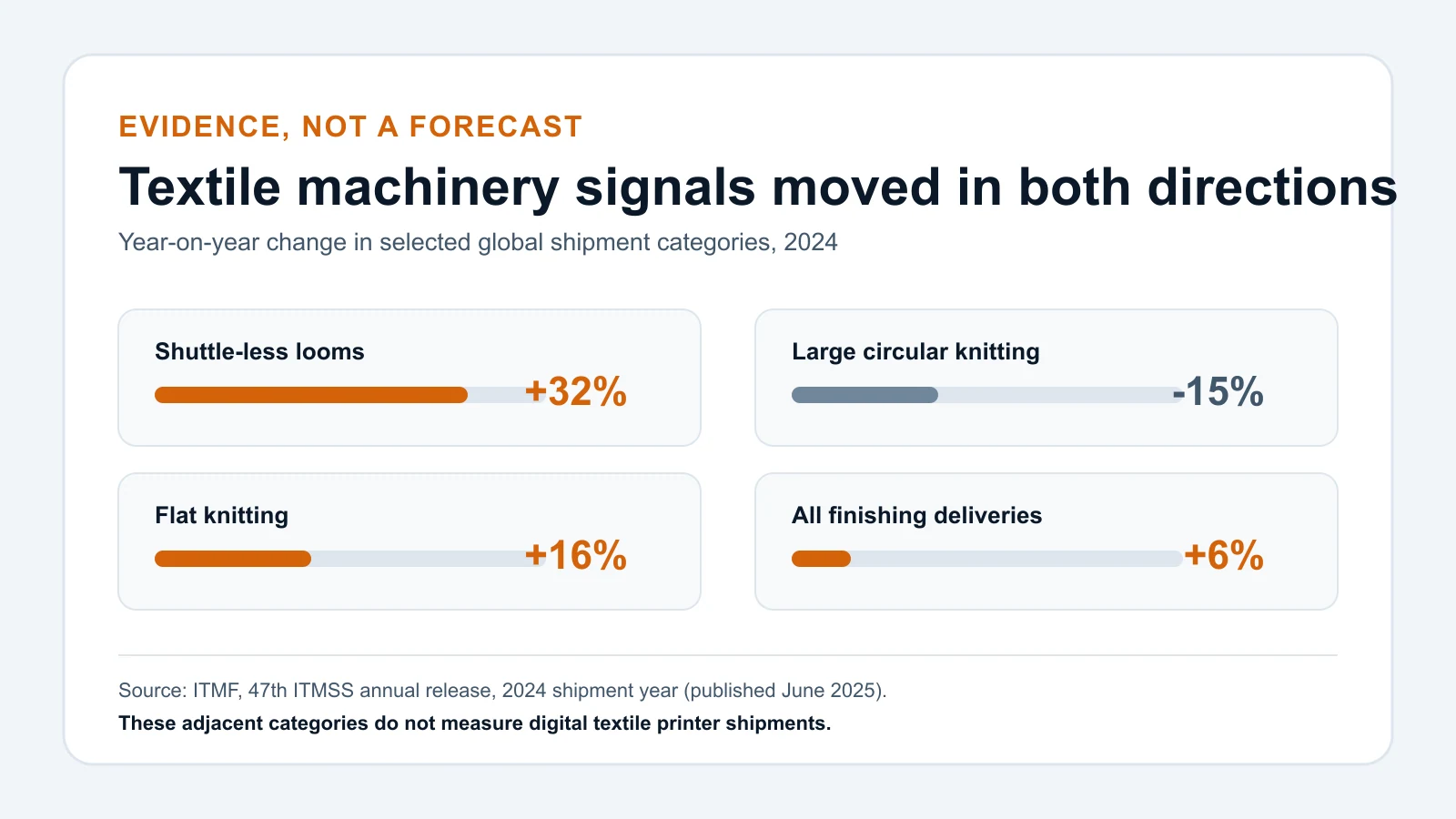
Digital Textile Printing Trends: An Evidence Guide
Verified industry signals point to mixed equipment investment, stronger data discipline and process flexibility, not a universal digital-printing growth forecast.
Aug 20, 2026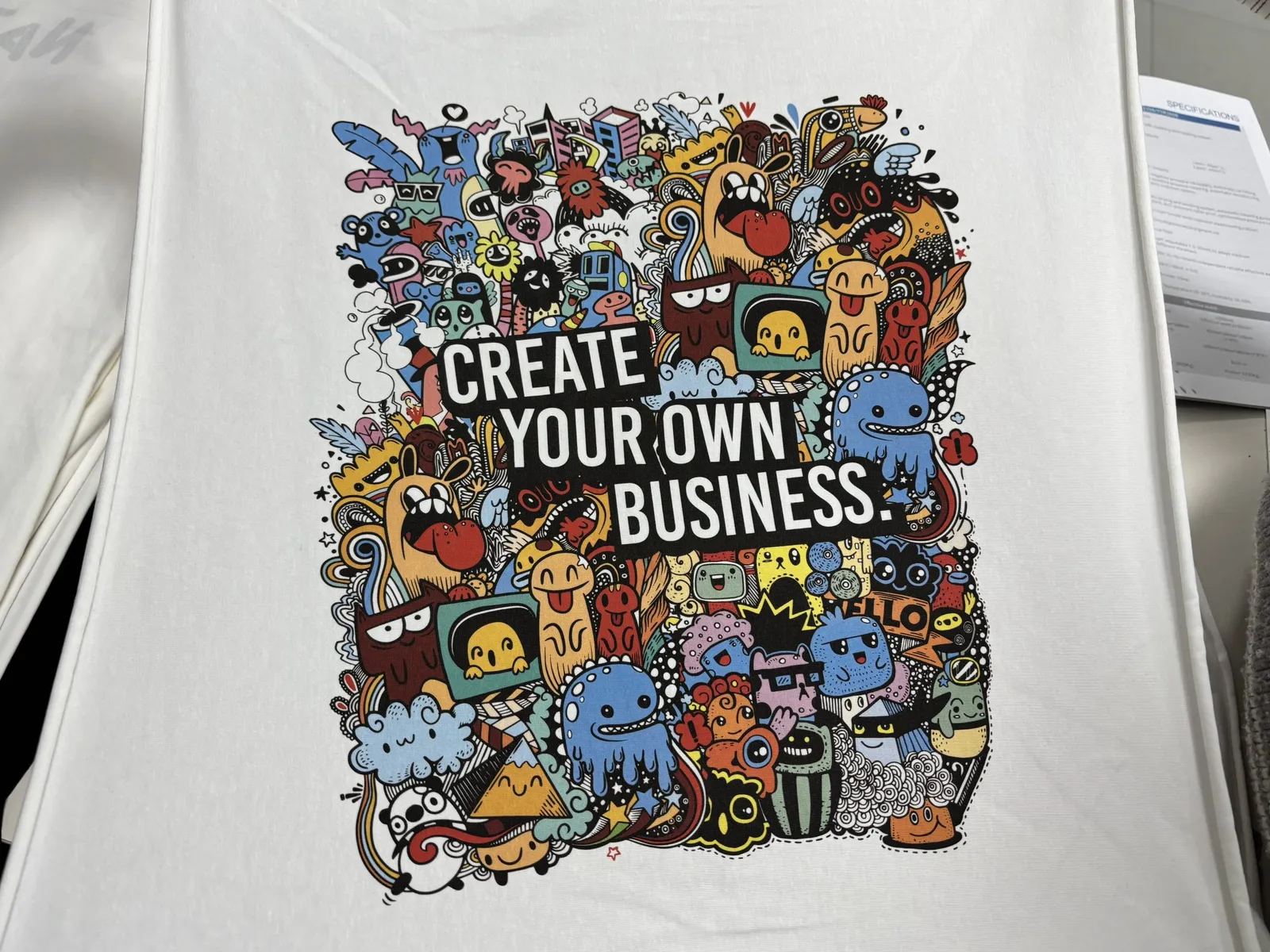
Custom T-Shirt Production Trends: Choosing a Workflow
The right custom T-shirt workflow matches the garment, artwork, order mix, hand feel and finishing steps; no single print method is best for every job.
Aug 14, 2026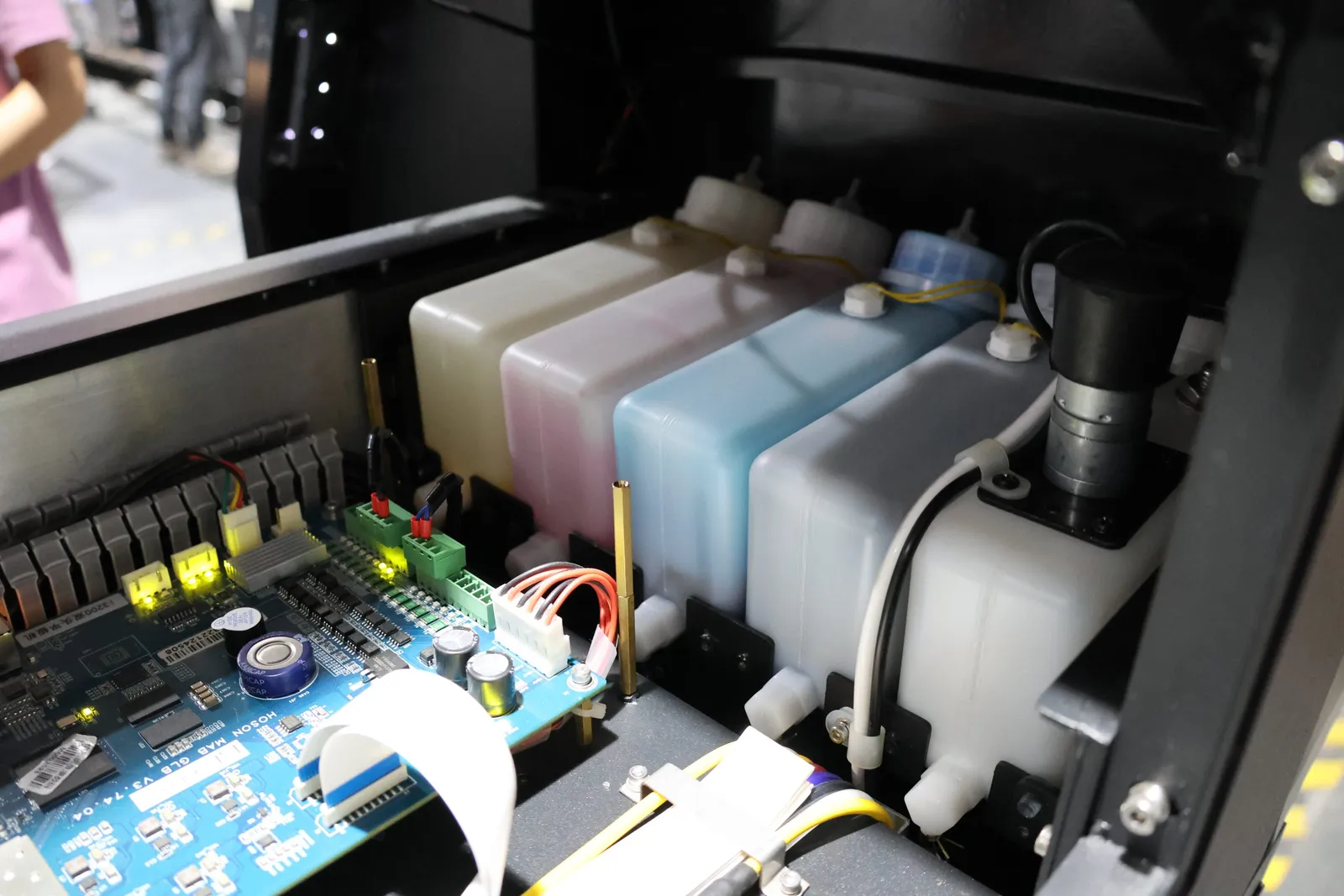
How to Choose Ink for Digital Textile Printing
Choose textile printing ink by fibre, print route, machine compatibility, finishing capability and the finished-product tests your buyer requires.
Aug 15, 2026
Digital Textile Printer Maintenance in Dry Weather
Maintain a textile printer in dry weather by controlling static, conditioning fabric, protecting the ink path, limiting dust, and diagnosing changes before cleaning.
Aug 15, 2026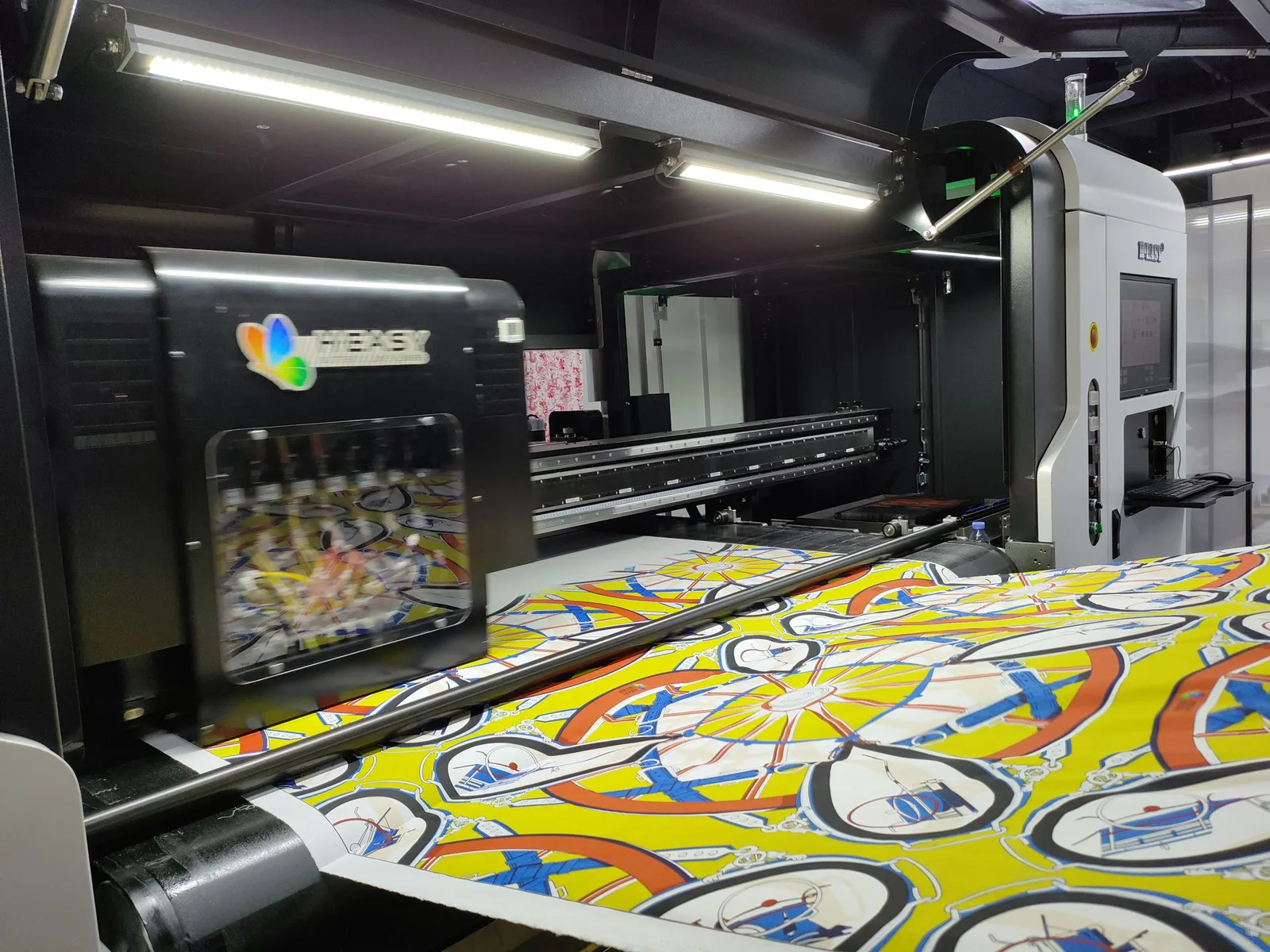
How to Reduce Ink Waste in Digital Textile Printing
Reduce textile printing ink waste by controlling profiles, nozzle health, fabric preparation, cleaning, job setup and sellable output instead of simply lowering ink limits.
Aug 14, 2026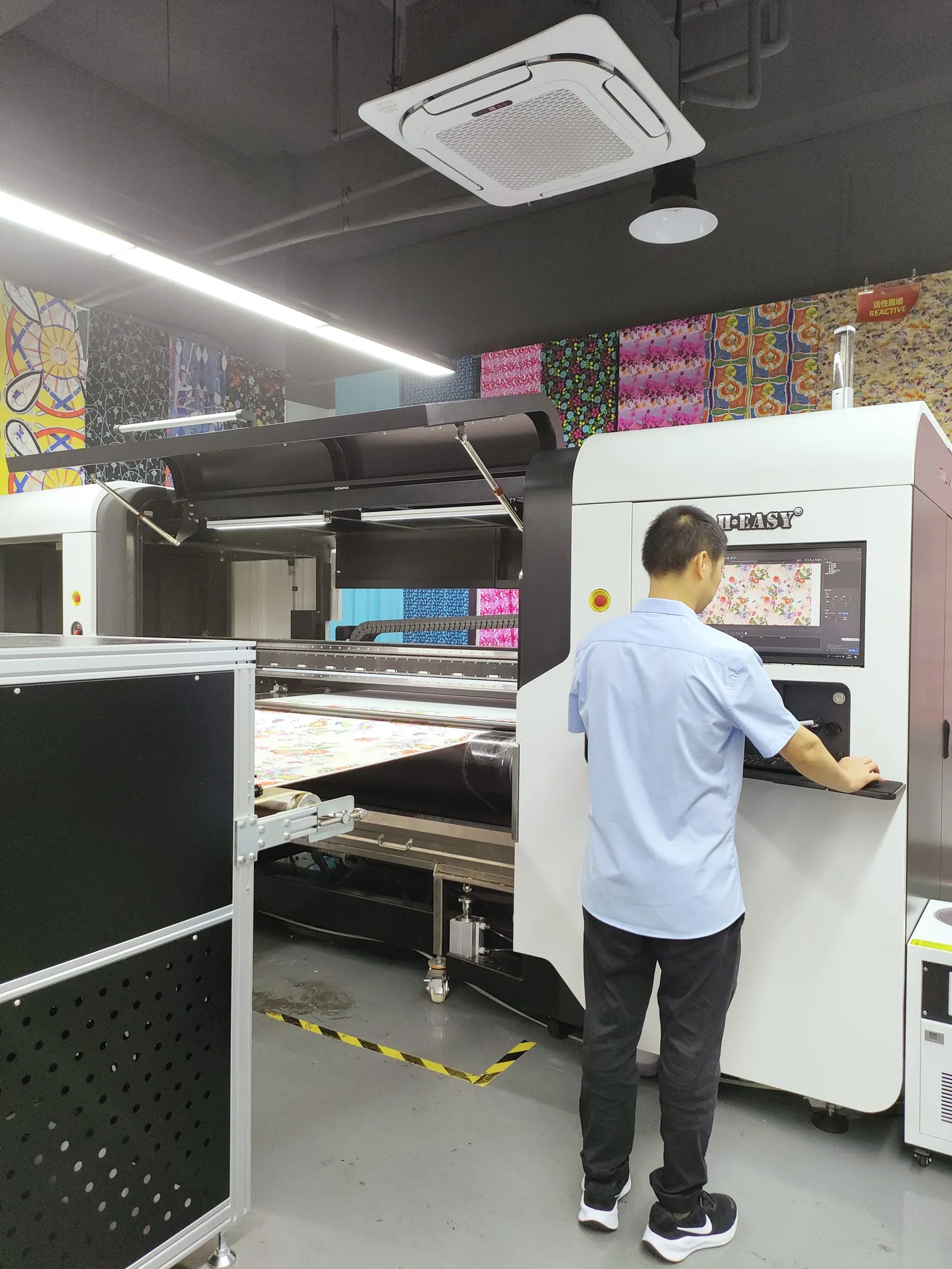
R2R Textile Printer Startup Checklist and Operating Guide
Start an R2R textile printer by verifying the site, fabric, ink path, nozzle state, feed, job data and finishing route before releasing production.
Aug 14, 2026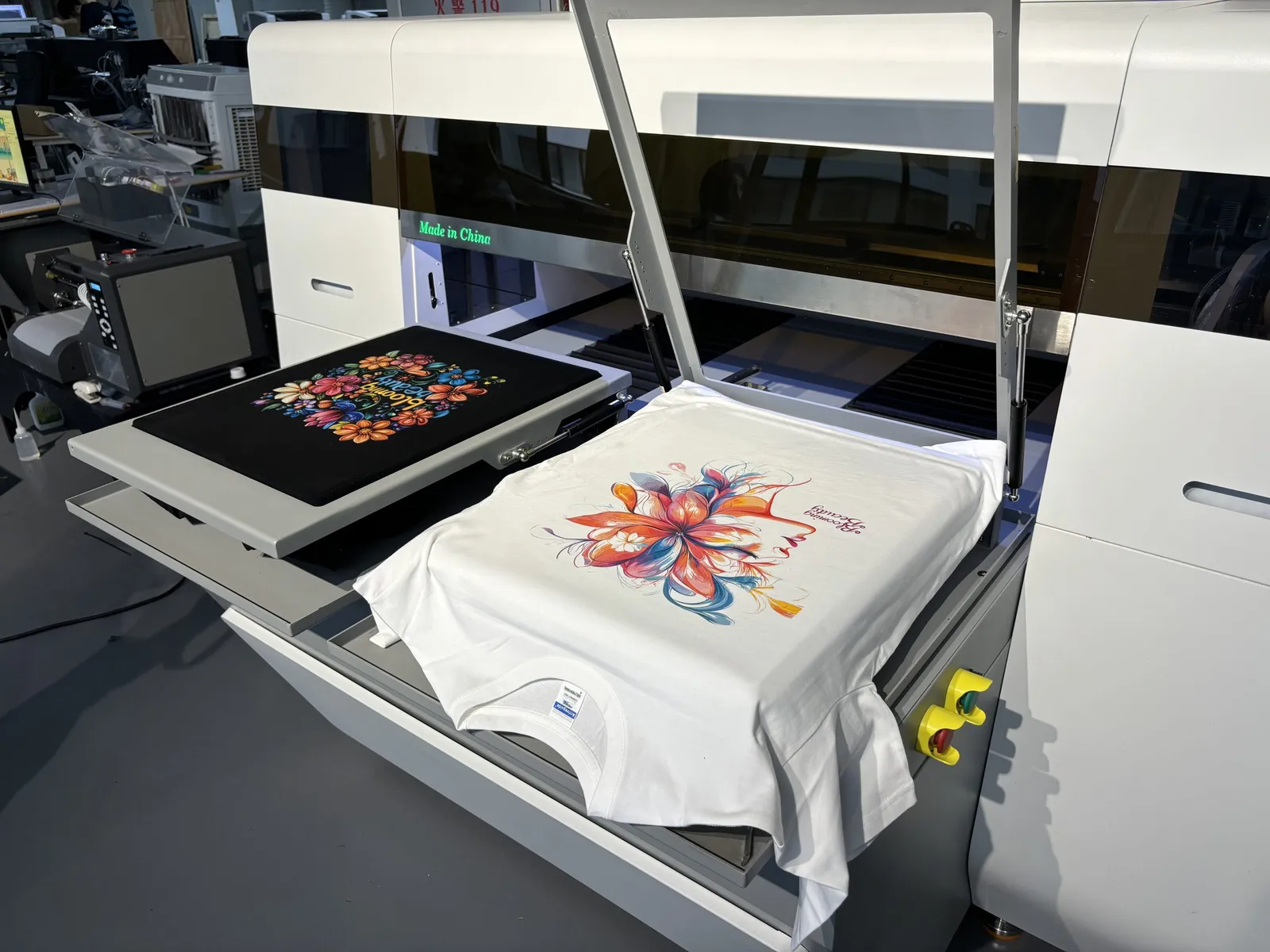
Garment Printing Methods: Screen, DTG, DTF, Sublimation
Choose garment printing by fabric, artwork, order mix, hand feel, and finishing. Compare screen, DTG, DTF, sublimation, and cut-and-sew routes.
Aug 14, 2026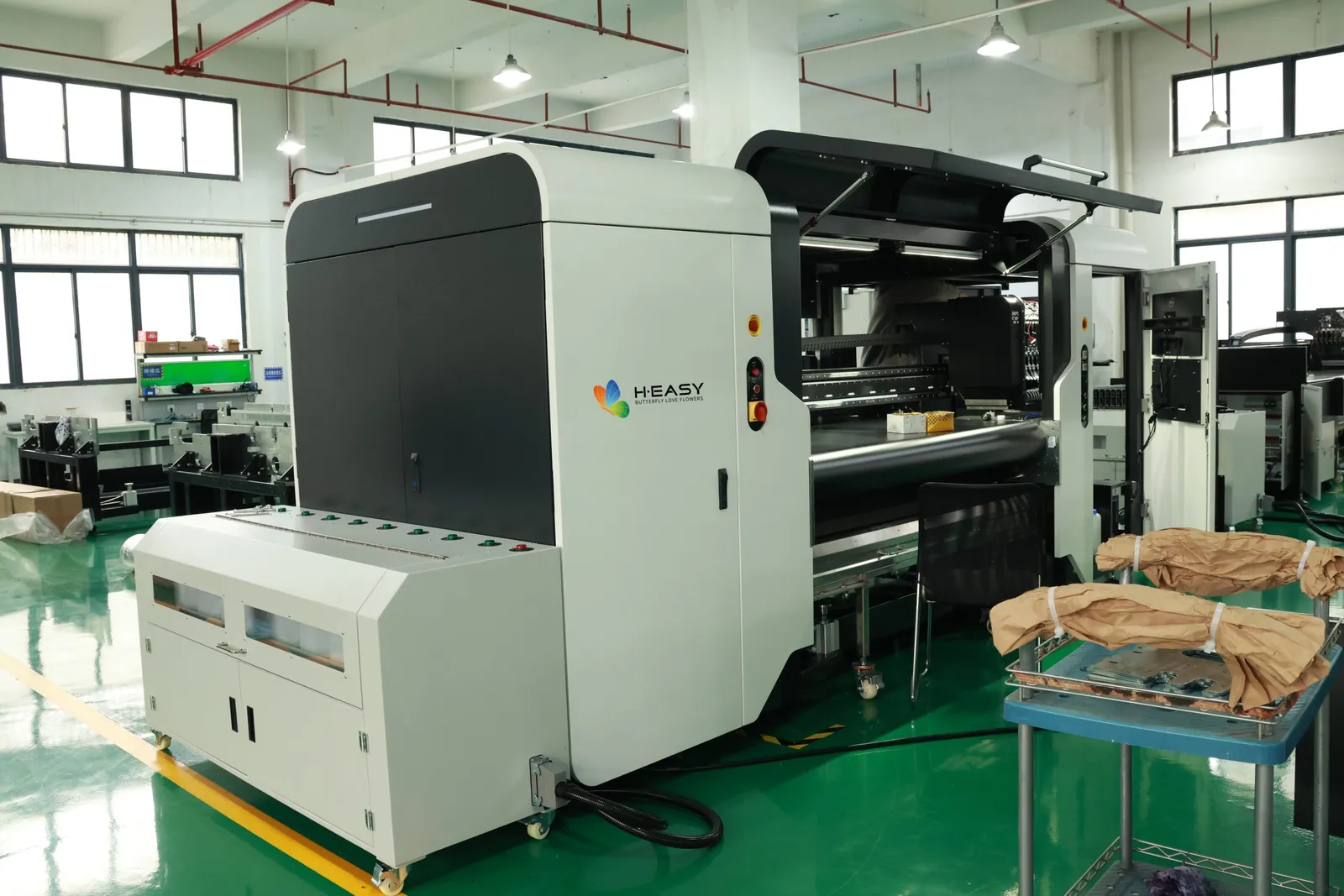
Blurry Print Edges in Digital Textile Printing: Causes
Blurry textile-print edges come from artwork rasterization, misplaced drops, fabric movement, or ink wicking. Read the edge signature before changing settings.
Aug 14, 2026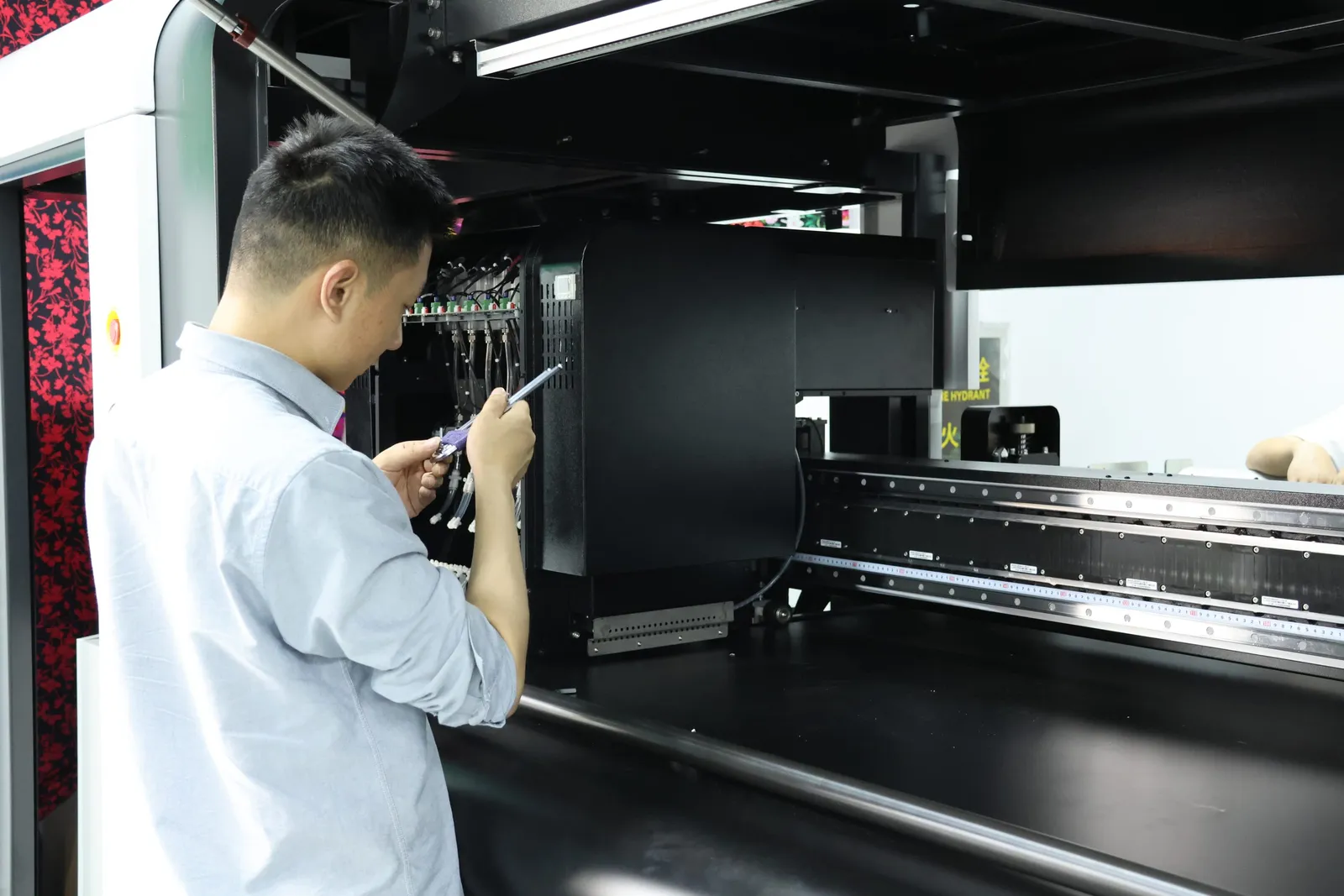
Color Difference After Printhead Cleaning: Causes and Fixes
Color shifts after a head clean usually mean cleaning fluid or flushed residue is still diluting the ink. Purge to stable density, run a nozzle check, then let the head reach working temperature.
Aug 14, 2026
Direct-to-Fabric vs Transfer Printing: How to Choose
Direct-to-fabric printing puts ink on textile, while transfer printing uses paper or film first. Choose by fiber, finishing, hand, and order flow.
Aug 14, 2026
R2R Textile Printer Maintenance Checklist
Maintain an R2R textile printer by protecting its ink path, nozzle baseline, fabric path, motion references, room conditions, and restart records.
Aug 14, 2026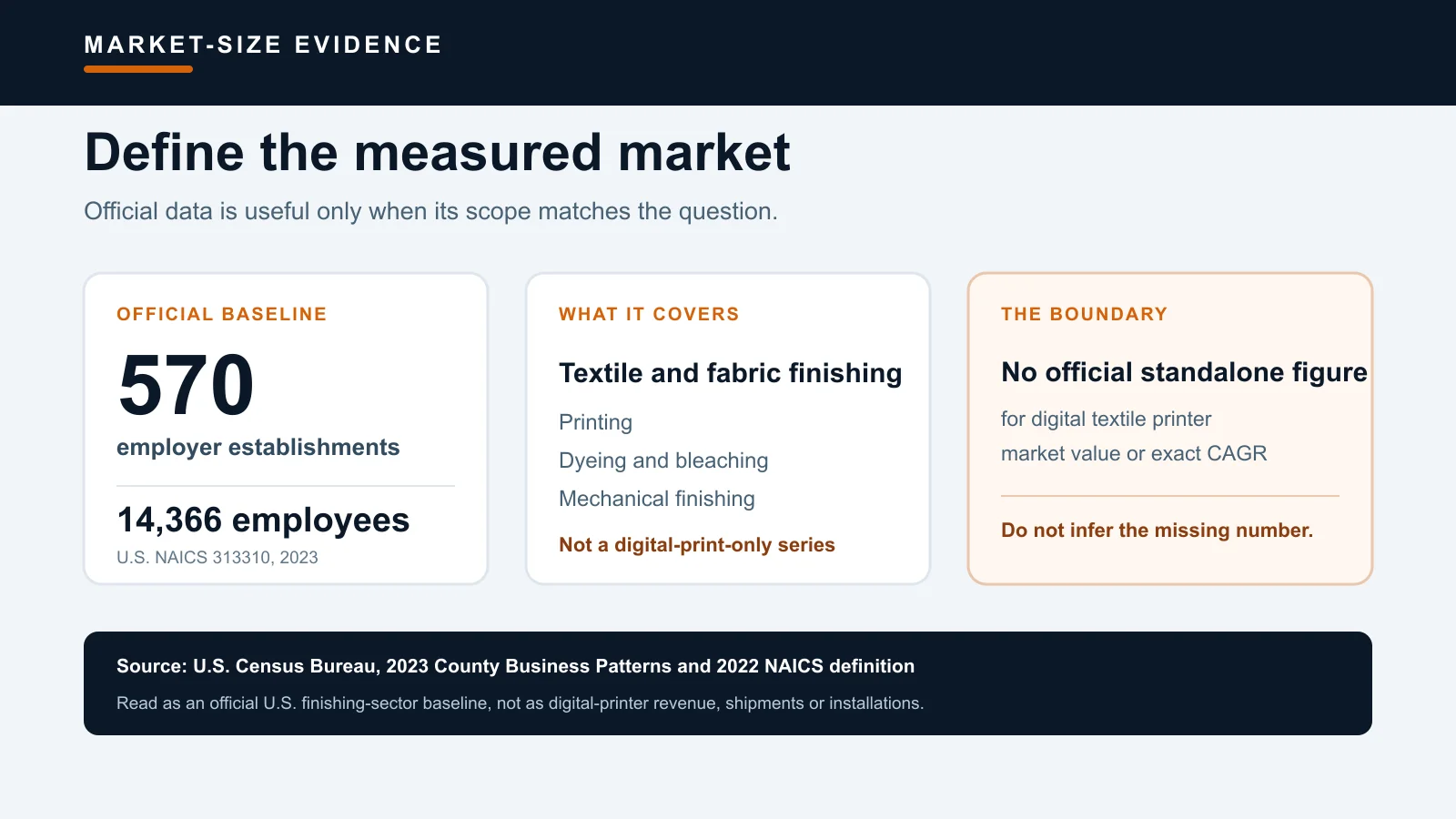
Digital Textile Printing Market Size: An Evidence Guide
No official public series isolates digital textile printer market value or exact growth. Use documented sector data for context, then size a project from qualified demand.
Aug 20, 2026
Digital Textile Print Color Fastness Troubleshooting
Poor textile print fastness usually comes from a fibre-and-ink mismatch, pretreatment, excess surface ink, fixation, wash-off or curing; the printer alone is rarely the cause.
Aug 14, 2026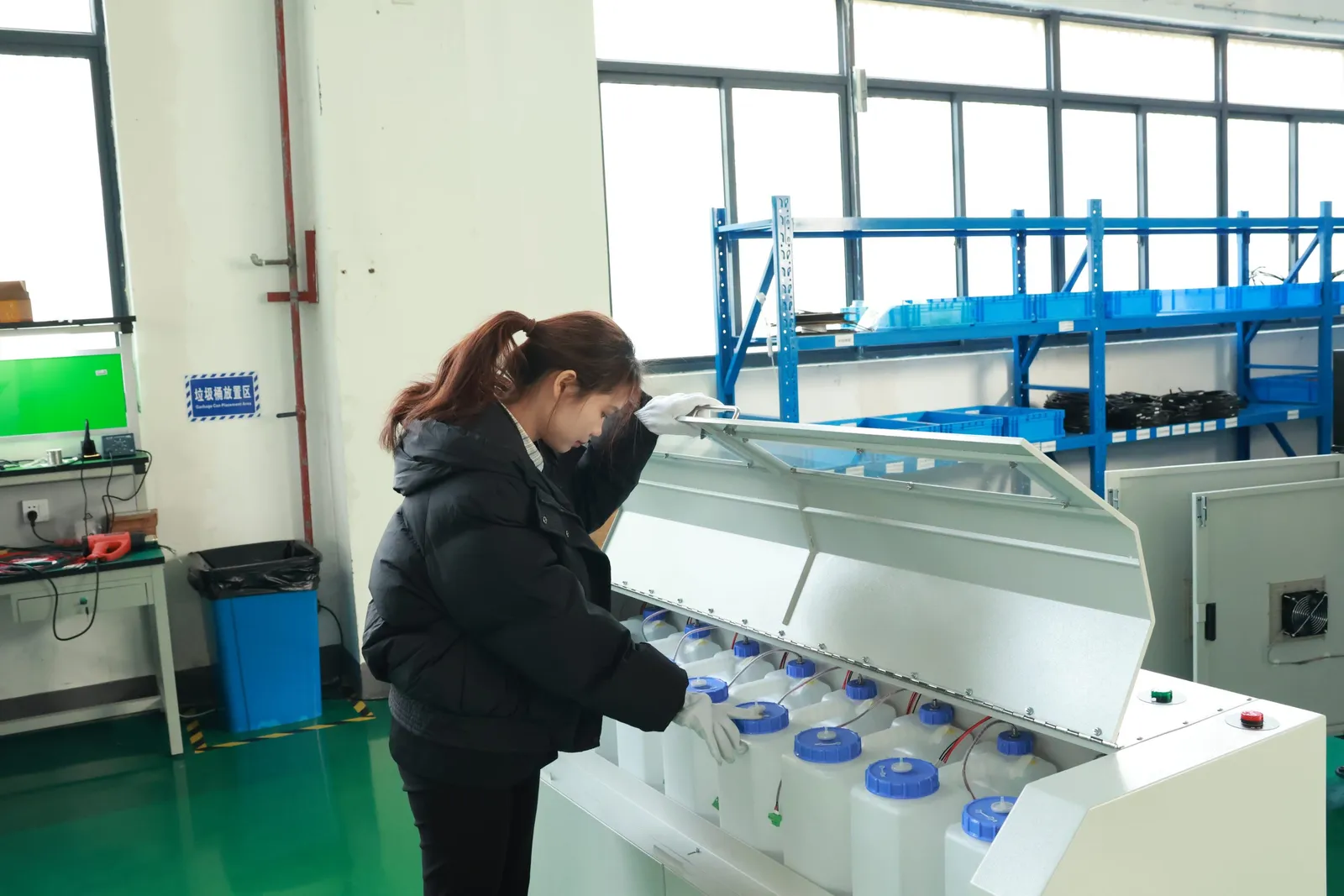
Textile Printer Buying Checklist: What to Verify
Choose a textile printer by verified fabric samples, ink chemistry, sellable output, media handling, finishing, site utilities, service, and operating cost.
Aug 14, 2026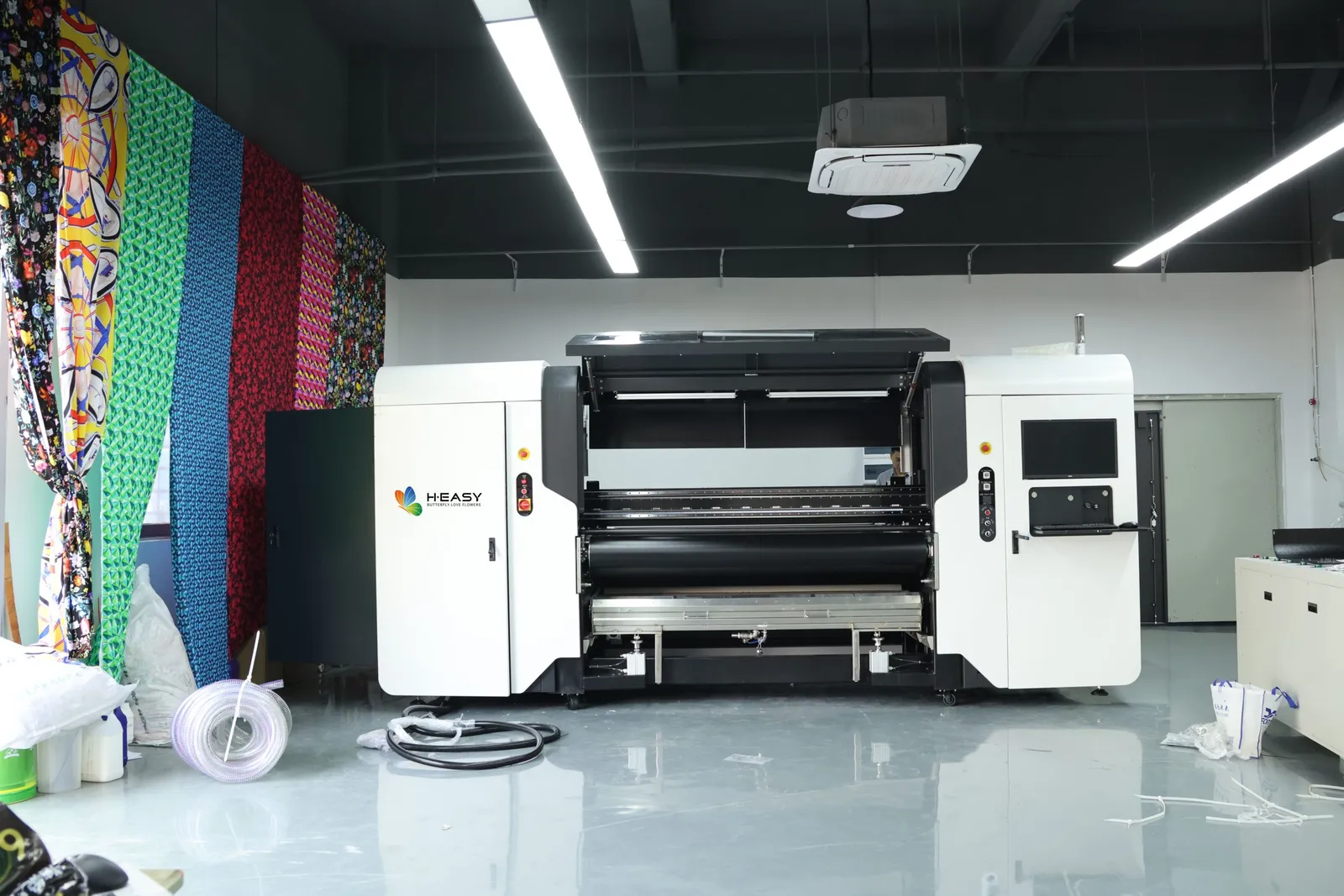
Digital Textile Print Quality Inspection Checklist
Digital textile print quality should be released against an agreed reference for artwork, fabric, color, defects, hand and fastness after the complete production finishing route.
Aug 14, 2026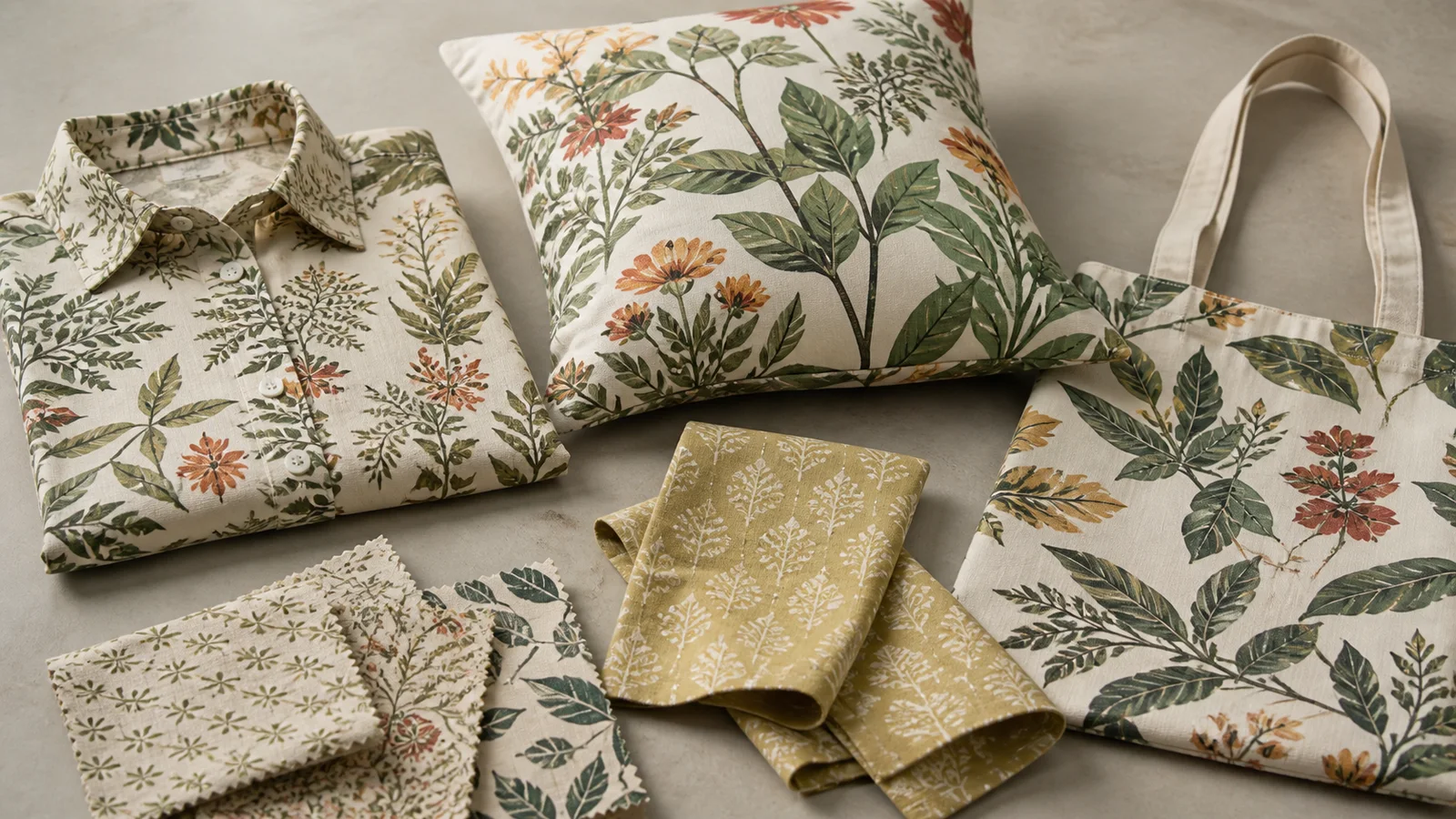
Printed Cotton Product Applications: A Buyer’s Guide
Printed cotton can serve apparel, home-textile, accessory, and short-run product programs when the fabric, print route, finishing, and approval plan are matched.
Aug 20, 2026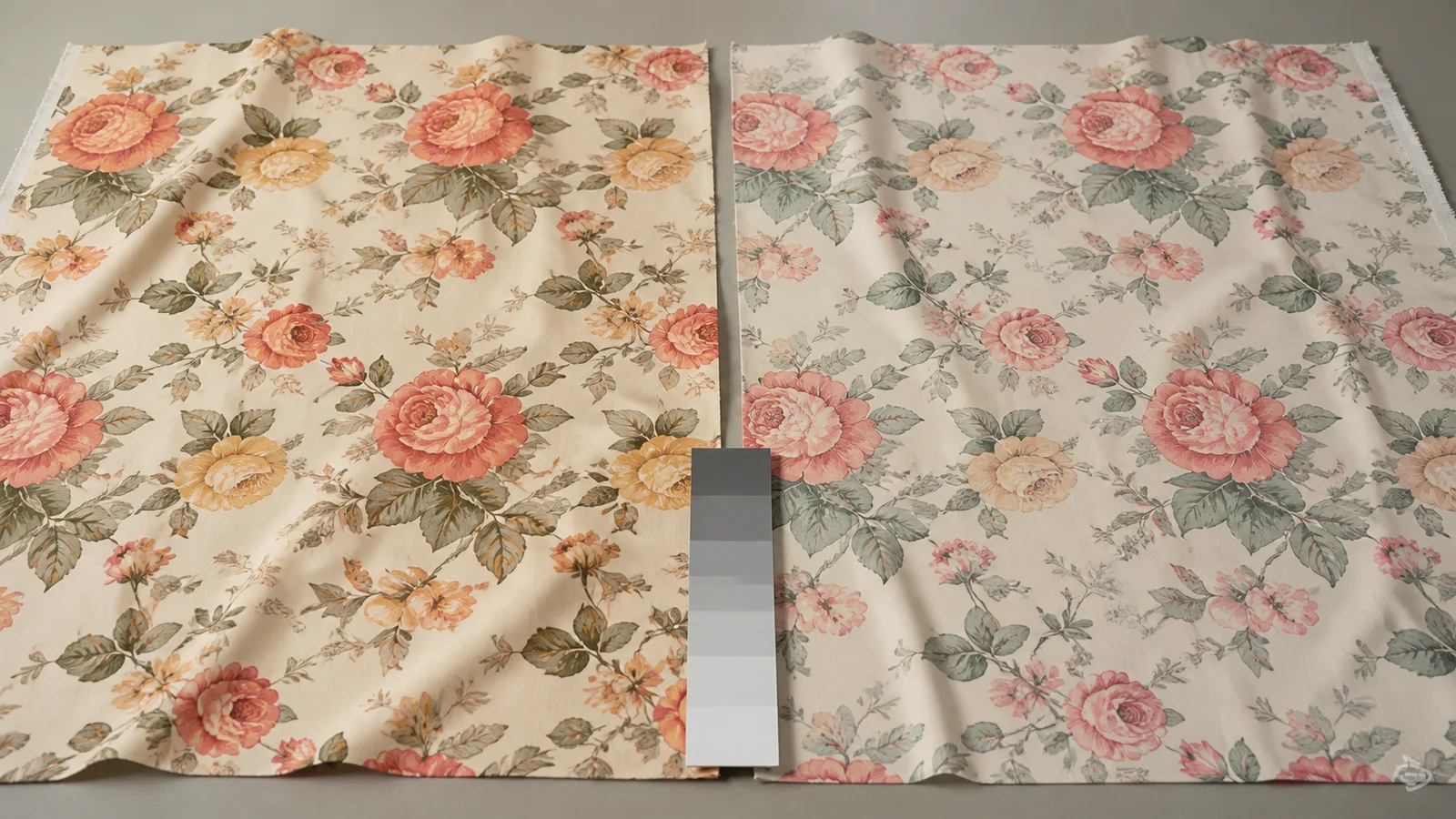
Digital Textile Print Color Variation: Troubleshooting Guide
Textile print color variation is best diagnosed by locking the viewing method, then tracing artwork, profile, fabric, ink delivery, printing, and finishing.
Aug 20, 2026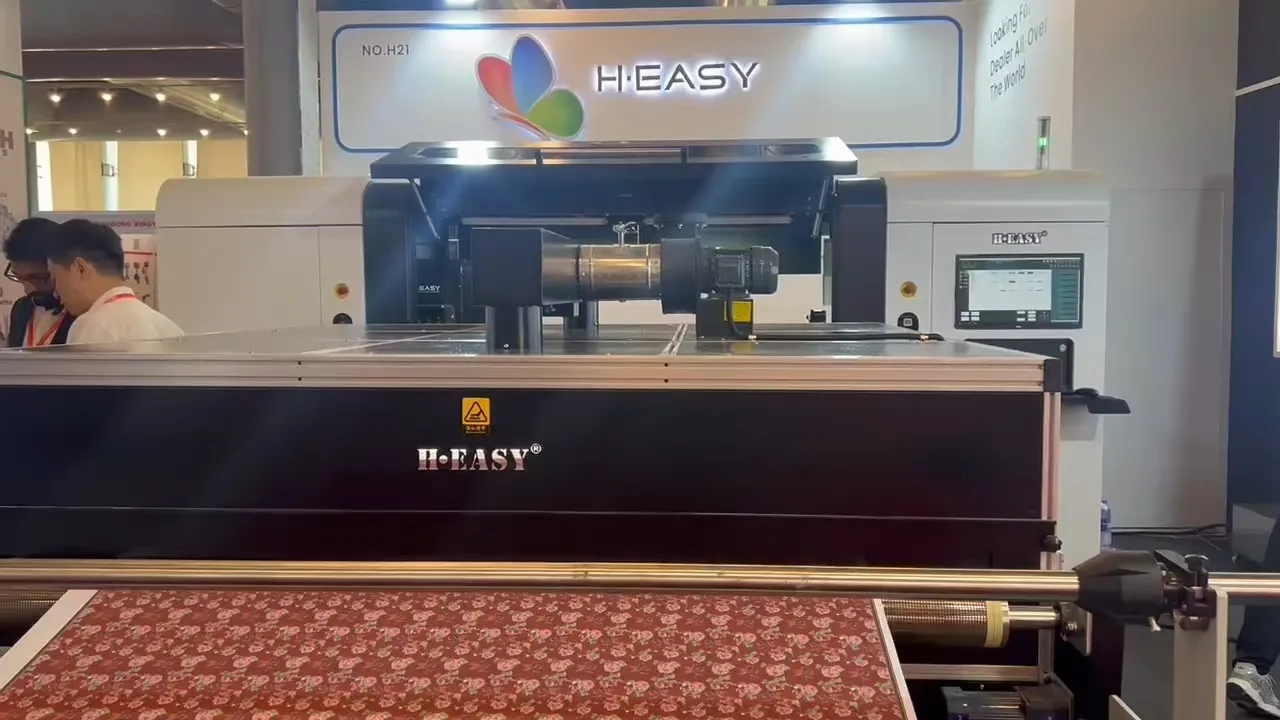
Digital Textile Sampling Workflow: From Design to Approval
Digital textile sampling removes screen preparation from design iteration, but a useful sample must still match the intended fabric, ink route, finishing process and approval criteria.
Aug 14, 2026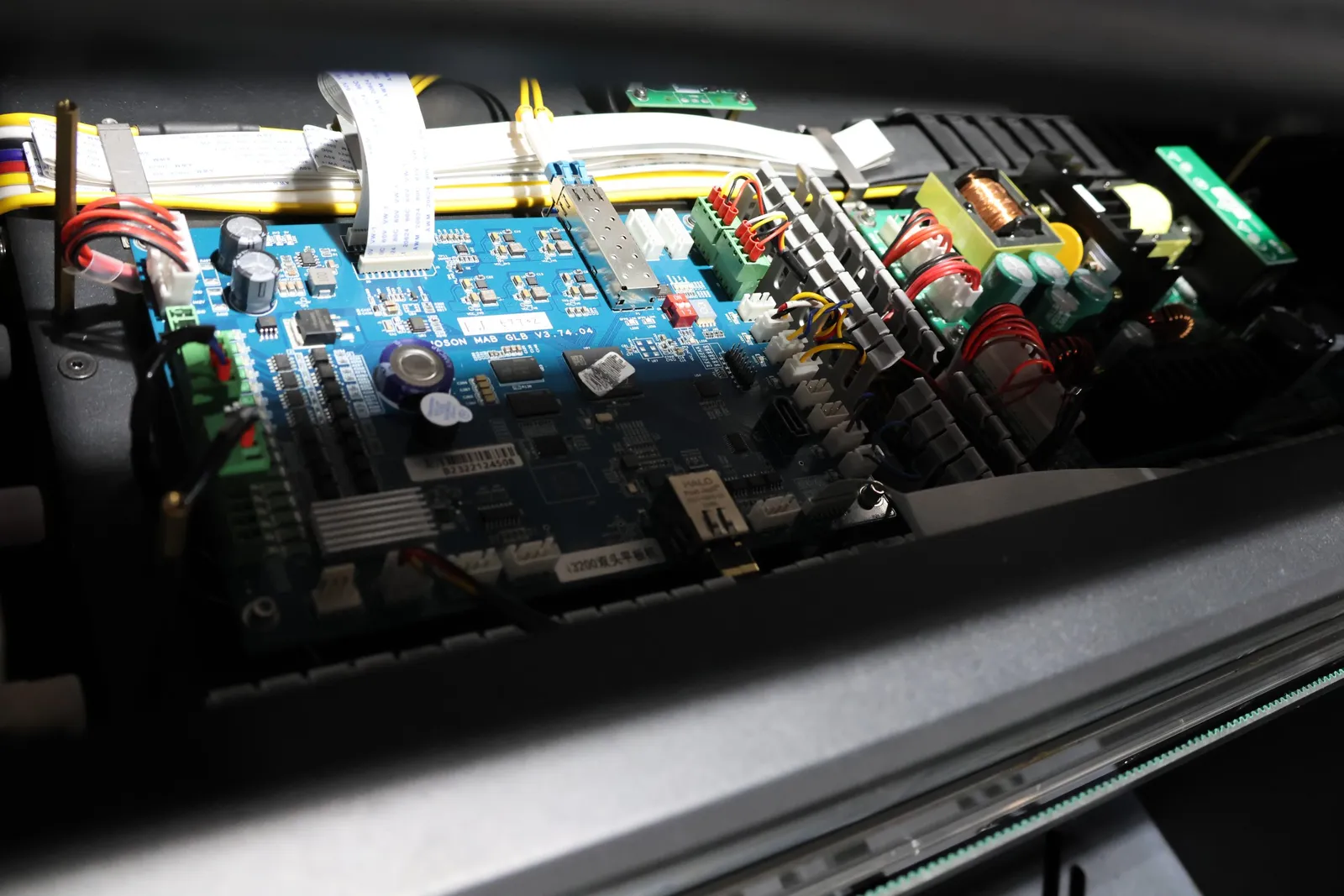
DTG Printer Maintenance Checklist for Stable Production
A safe DTG maintenance routine starts with a nozzle check, ink-path inspection, clean platen and capping-area care, then escalates faults by symptom instead of repeated cleaning.
Aug 14, 2026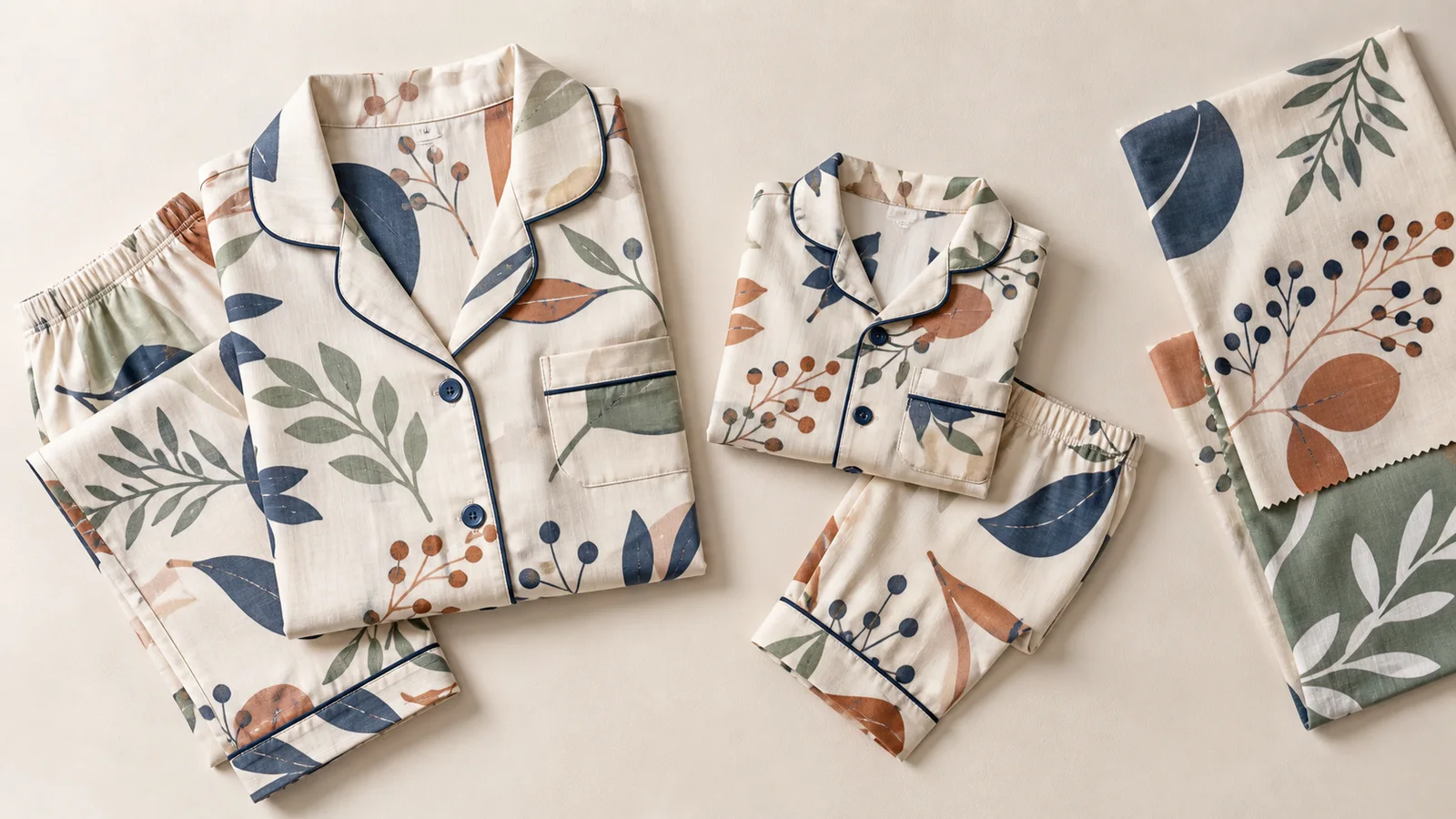
Custom Printed Pajama Production Workflow
Custom printed pajamas require one controlled route from fabric and artwork through sampling, printing, finishing, cutting, sewing, inspection, and packing.
Aug 20, 2026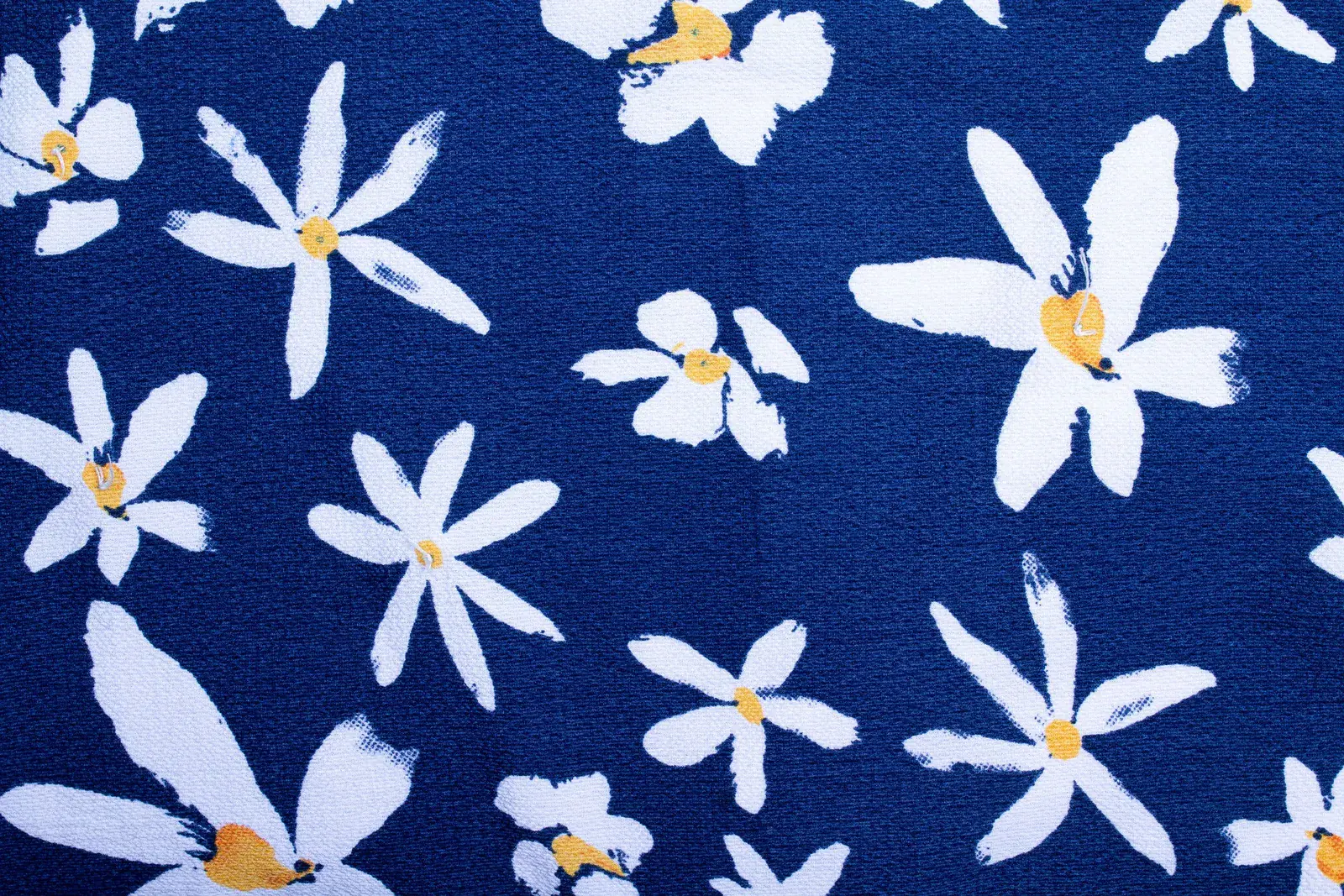
Digital vs Traditional Textile Printing: How to Choose
Digital textile printing removes screens and favors variable work; screen printing favors stable repeats. Compare setup, color, fabric, finishing, and scale.
Aug 14, 2026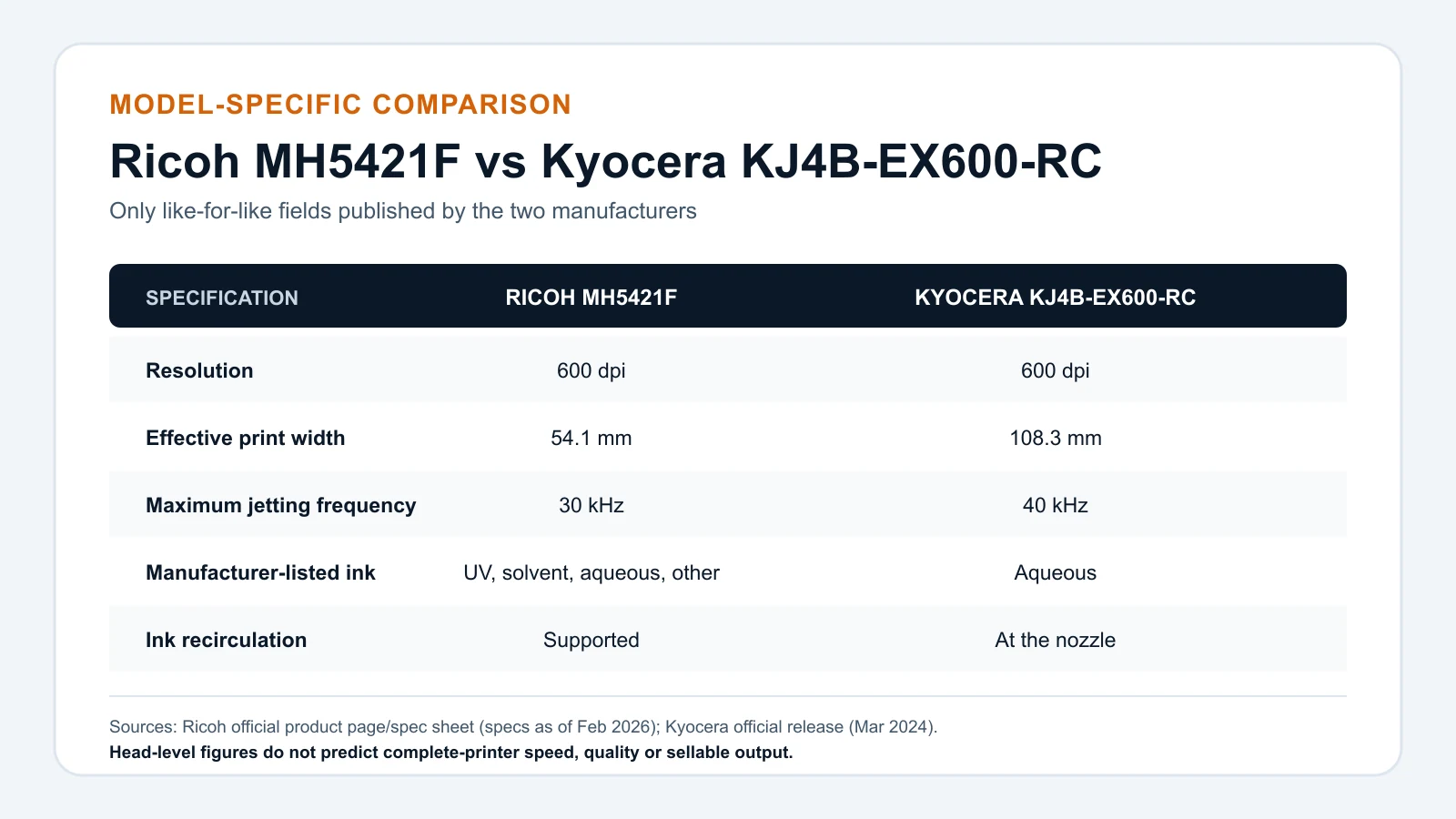
Ricoh MH5421F vs Kyocera KJ4B-EX600-RC
Both printheads publish 600 dpi and recirculation, but their width, ink scope, frequency and disclosures differ. Compare the exact models, then qualify the whole system.
Aug 20, 2026