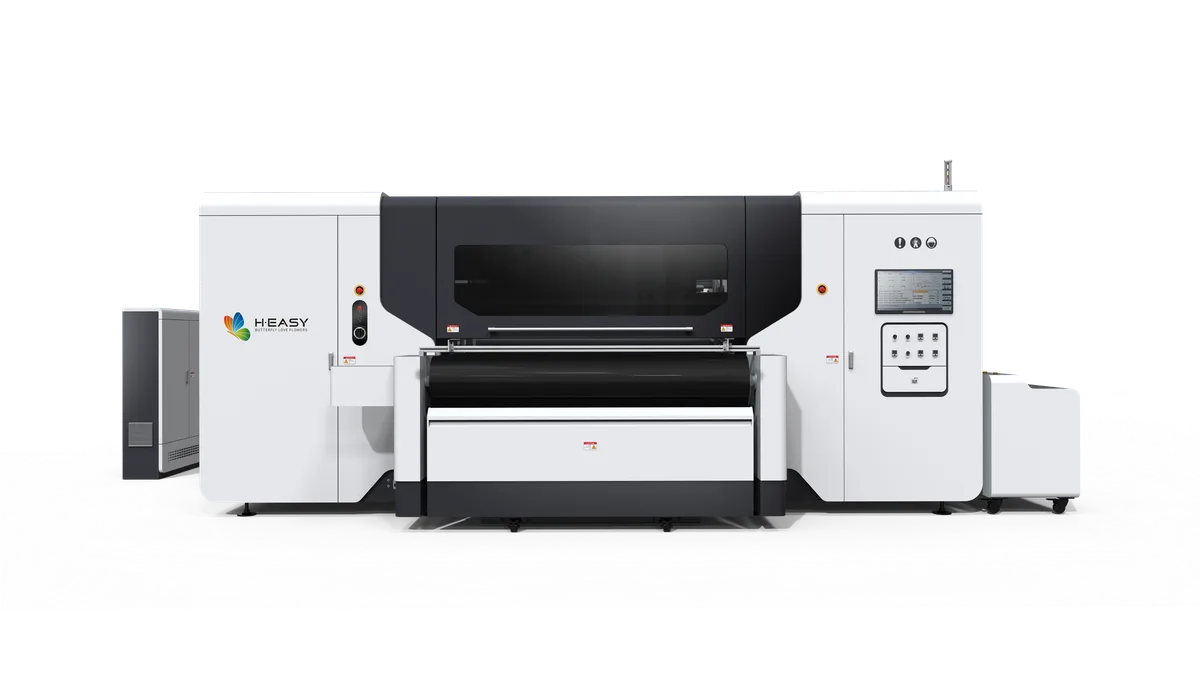
Textile Printer Buying Checklist: What to Verify
Choose a textile printer only after the supplier proves the complete process on your fabric and against your sellable-quality target. The buying decision must cover ink chemistry, preparation, media handling, printing, fixation or curing, washing where required, drying, inspection, utilities, service, and operating cost. Printhead model and advertised speed are inputs, not a factory acceptance result.
Build the production brief before requesting quotations. When every supplier tests a different fabric, artwork, mode, or acceptance standard, the proposals cannot be compared.
Write the production brief first
List the work the line must actually perform:
- fibre composition and blend, not only a trade name;
- woven or knitted construction, stretch, pile, surface hair, coating, finish, and heat sensitivity;
- usable fabric width, roll diameter, roll weight, core, edge condition, and expected splices;
- light and dark base colors, artwork type, repeat size, coverage, fine detail, and difficult colors;
- required ink route and the pretreatment, fixation, washing, curing, drying, and finishing equipment already available;
- approved color, hand, penetration, edge, repeat, registration, care, and defect criteria;
- order mix, changeover pattern, shift plan, and required sellable output;
- building access, footprint, operator and service clearance, utilities, ventilation, drainage where required, and material storage.
Include several real production fabrics and files rather than one easy sample. The brief should expose the range the machine must handle, including the material most likely to wrinkle, stretch, skew, shed lint, or exceed drying capacity.
Choose the process before the printer
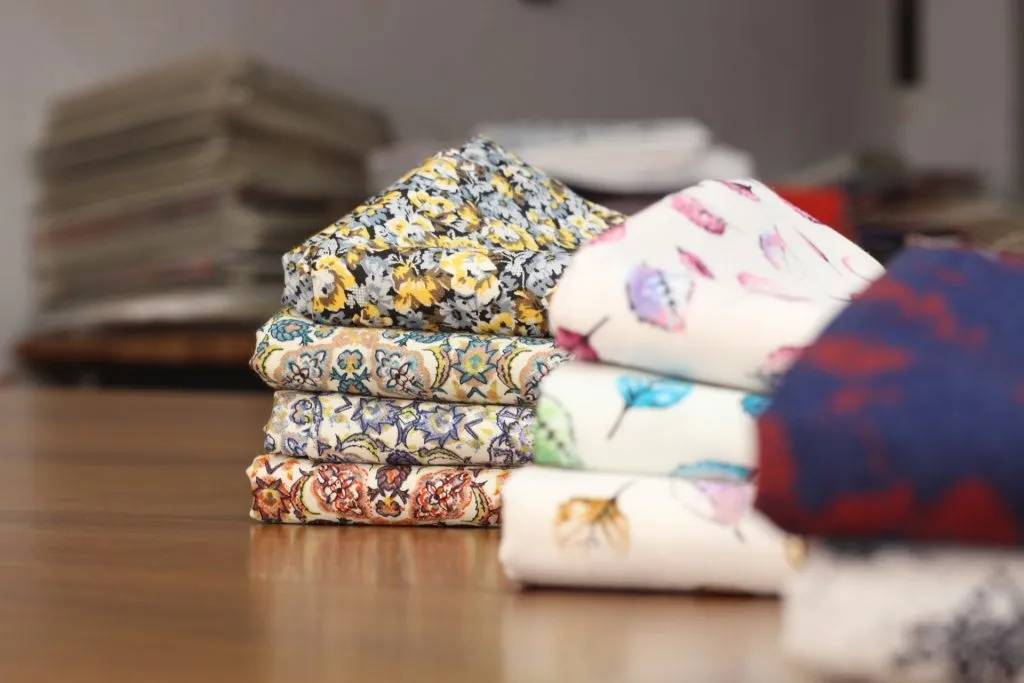
Start with how color must bond to the fibre and what finishing the factory can support. Reactive, disperse, acid, and pigment routes have different material fits and different preparation, fixation, washing, and curing requirements.
Also decide whether the job is direct-to-fabric, transfer, finished-garment, or panel production. A transfer printer, a direct R2R textile printer, and a DTG machine may all use digital files and printheads, but they feed different materials and lead into different factory workflows.
Use the fabric process selection guide to map the fibre and ink route before comparing hardware. If the supplier cannot state the preparation, print, and finishing chain for each proposed fabric, the machine selection is premature.
Compare sellable output, not a speed label
Published speed can identify a configuration to investigate. It cannot predict how much approved fabric the line will ship. Ask every supplier to state:
- the exact printer configuration and printhead count;
- print mode and pass or quality setting;
- fabric, ink, pretreatment, and artwork coverage;
- usable printed width and feed conditions;
- drying or fixation state at the printer exit;
- inspection criteria used to call the result sellable;
- whether cleaning, changeover, loading, unloading, and stoppage recovery are included in the output claim.
Then locate the line bottleneck. More print capacity does not increase shipped output when pretreatment, steaming, heat fixation, washing, drying, inspection, or packing is already slower.
The existing R2R model comparison is useful only after the required width, chemistry, quality mode, and qualified line output are known.
Run a sample test designed to fail weak proposals
A supplier-selected demonstration fabric shows that the supplier can print its own sample. It does not qualify your production.
Send an identified roll or representative cut length from the actual material lot. Use a test file containing:
- solids and difficult approved colors;
- fine positive and reversed lines;
- small text, diagonals, curves, and registration marks;
- gradients and photographic detail;
- low- and high-coverage areas;
- repeat joins and features placed across the usable width.
Inspect the print immediately and after every required finishing stage. Record color under defined viewing conditions, edge detail, repeat, registration, banding, penetration or surface appearance, hand, staining, distortion, and the buyer’s required care result.
Do not accept an unexplained “best mode.” Keep the RIP file, profile, mode, ink and pretreatment identity, fabric lot, room condition, finishing settings, and approved physical sample.
Evaluate fabric transport across the full width
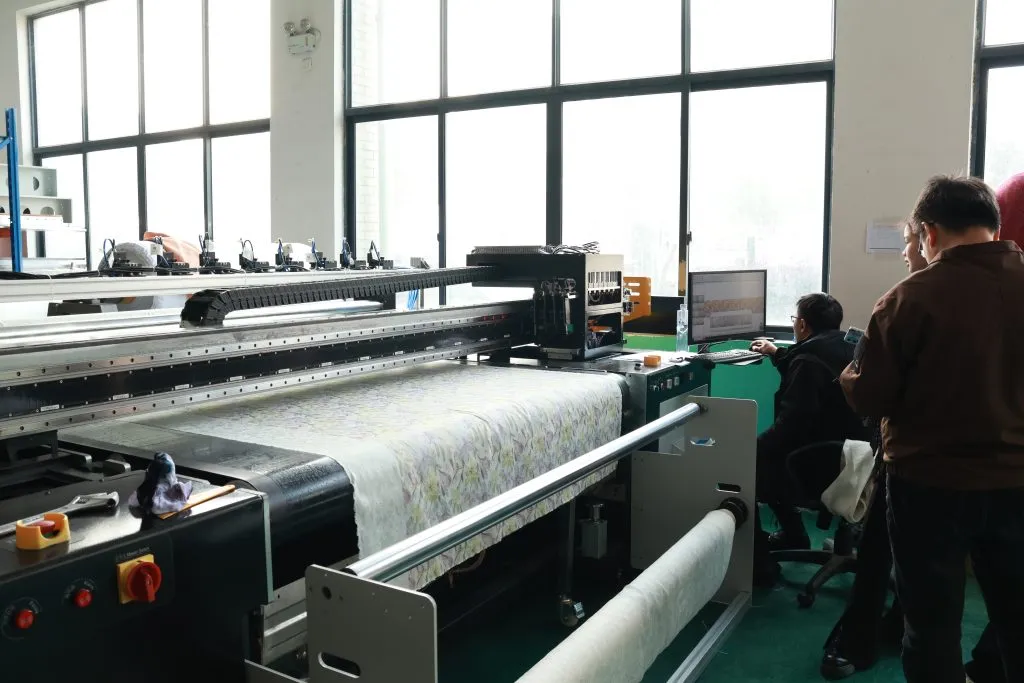
The printer must keep the actual textile flat, aligned, and at a safe distance from the heads. During the trial, look for:
- skew or telescoping from roll preparation;
- stretch or feed error in knitted fabric;
- wrinkles, raised seams, splices, curled edges, or fabric lifting;
- uneven tension between the left, center, and right zones;
- adhesive-belt or platen contamination;
- take-up behavior as the printed roll grows;
- drying that changes tension, cockling, or surface contact.
Check registration marks along the feed direction and across the width. A sharp sample cut from the easiest center zone does not prove stable roll handling.
Treat ink, heads, and maintenance as one system
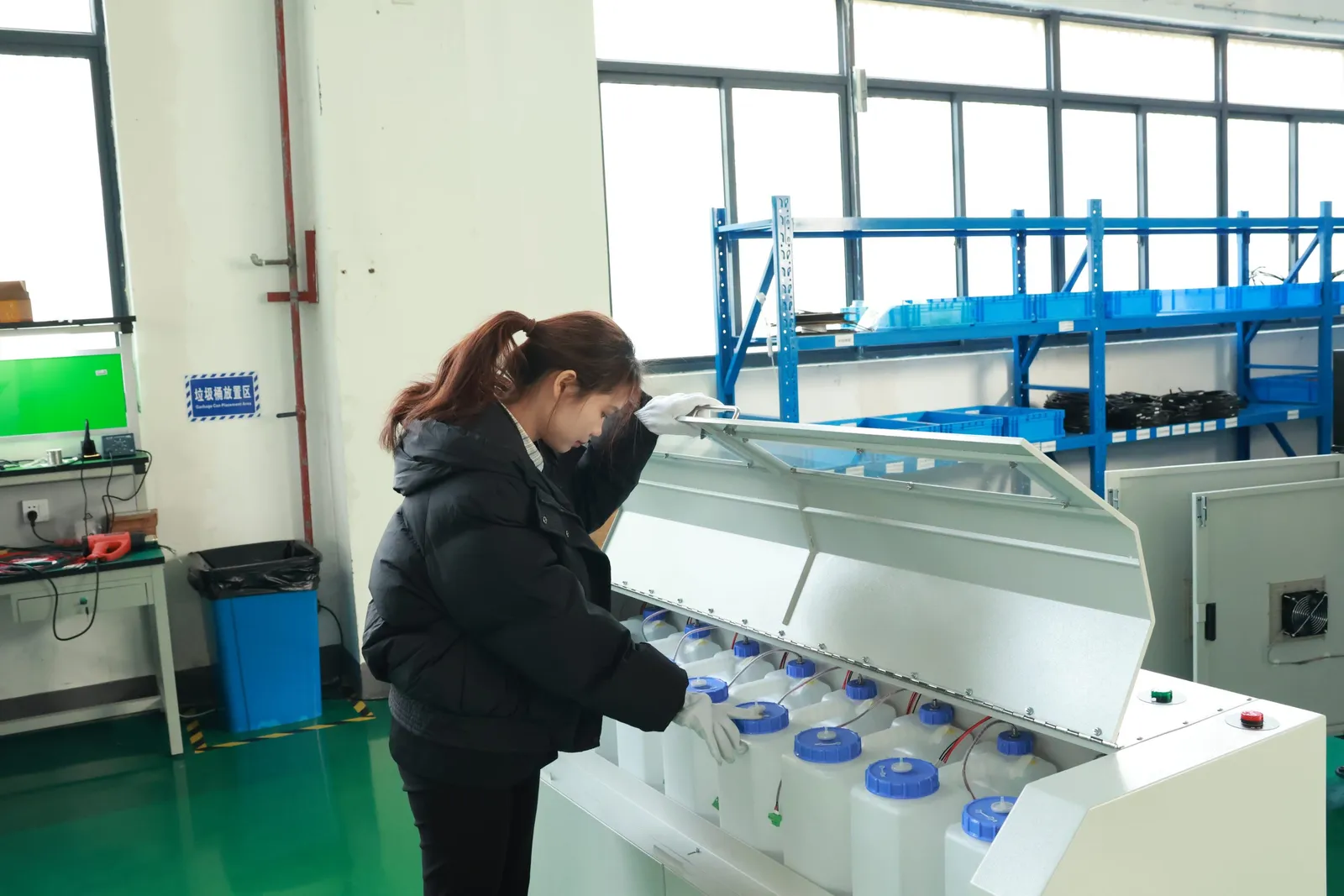
Do not choose ink only by the number of installed channels. More channels may support a wider or more specialized color strategy, but they also add ink-path, profile, maintenance, and inventory decisions. The useful set is the one that meets the approved gamut and production route on the target fabric.
Ask for the qualified ink, pretreatment, cleaning fluid, head, filter, tubing, and maintenance combination. Confirm storage, shelf-life handling, agitation where required, filtration, startup and shutdown routines, nozzle-recovery limits, and the supplier’s procedure for a long stop.
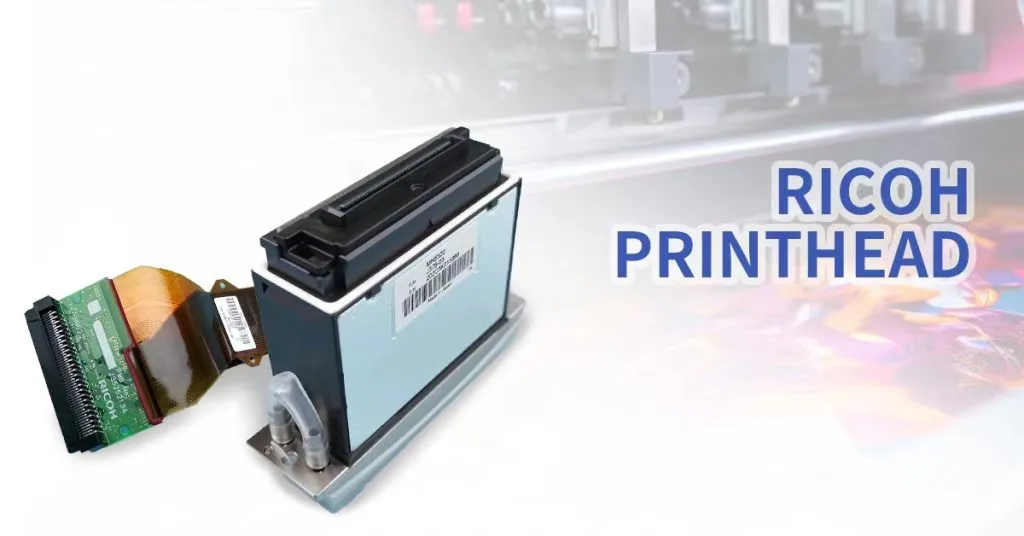
For the printhead, verify the exact installed part, configuration, warranty boundary, expected maintenance activities, replacement availability, service procedure, and who authorizes calibration. Do not infer machine quality from a head brand alone; carriage reference, ink delivery, waveform control, fabric transport, drying, software, and maintenance access determine whether the head can produce stable output.
Map every upstream and downstream dependency
The quotation should identify what is included and what must be supplied by the buyer. Depending on the selected chemistry, the production route may need:
- pretreatment mixing, coating, padding, drying, and quality control;
- transfer paper and a heat-transfer stage;
- steaming or another fixation system;
- washing, water treatment, drainage, and drying;
- curing, heat setting, ventilation, or exhaust;
- fabric inspection, rewinding, conditioning, and packing;
- RIP licenses, profiles, workstation, network, backup, and file approval.
Confirm interface widths, roll direction, line speed range, material handling, and how output moves safely between stages. A printer that outruns an incompatible dryer or arrives with the wrong roll orientation is not a complete line.
Verify site readiness from controlled documents
Use the final configuration drawing and installation manual, not a generic sales brochure. Check:
- machine and auxiliary dimensions, packed dimensions, access route, lifting points, floor requirements, and service clearances;
- electrical supply, protection, grounding, power quality, and emergency stop integration;
- compressed air, water, drainage, ventilation, exhaust, or cooling where the configured route requires them;
- documented room and material-conditioning limits;
- ink and chemical storage, spill response, waste handling, and local safety obligations;
- operator position, maintenance access, lighting, network, and secure RIP workstation placement.
The supplier should review a site plan before shipment and return a written readiness list. Resolve any configuration-dependent utility value through the approved technical documents rather than copying a number from another model.
Calculate total operating cost without invented ROI
Build scenarios from the factory’s own orders. Include:
- printer, auxiliaries, freight, installation, commissioning, and training;
- ink, pretreatment, transfer media where applicable, cleaning fluid, filters, wipes, and other routine consumables;
- printheads, pumps, dampers, belts, encoders, and the recommended spare kit;
- labor for preparation, printing, finishing, cleaning, inspection, and changeovers;
- electricity, water, drainage, ventilation, compressed air, and climate control used by the actual route;
- failed fabric, startup waste, reprints, downtime, preventive maintenance, software, and service travel;
- inventory and financing assumptions supplied by the buyer.
Compare cost per approved unit of production, not per theoretical printed area. Keep utilization and order mix as adjustable inputs. A universal payback period is not credible without those plant-specific facts.
Audit the supplier and acceptance plan
Request evidence that can be used after the purchase:
- final machine configuration and serial identification process;
- controlled manuals, wiring and utility documents, and spare-parts list;
- consumable specifications and approved maintenance procedures;
- installation, operator training, escalation, remote support, and on-site service boundaries;
- warranty coverage, exclusions, response path, and responsibility for ink, head, and third-party auxiliary failures;
- factory acceptance and site acceptance protocols tied to the agreed fabric, mode, output, quality, and safety checks.
The acceptance document should state pass/fail criteria and what happens when a criterion is missed. “Training included” and “after-sales support” are not testable until the scope, duration, deliverables, contacts, and completion record are defined.
Use this RFQ evidence pack
Send each shortlisted supplier the same pack:
- production brief and site plan;
- fabric list and identified test materials;
- artwork and acceptance matrix;
- required process route and existing auxiliaries;
- sellable-output scenarios and order mix;
- utility and compliance questions;
- requested sample, factory-acceptance, service, spare, and warranty evidence.
Score the returned evidence, not the brochure adjectives. A proposal that states limits and requests a proper trial is more useful than one that promises every fabric, every ink, maximum quality, and maximum speed at the same time.
The current R2R textile printer range is the equipment path once these requirements are defined. Use the contact form to send the fabric construction, ink route, usable width, artwork coverage, finishing equipment, site utilities, and sample acceptance criteria for a configuration review.