
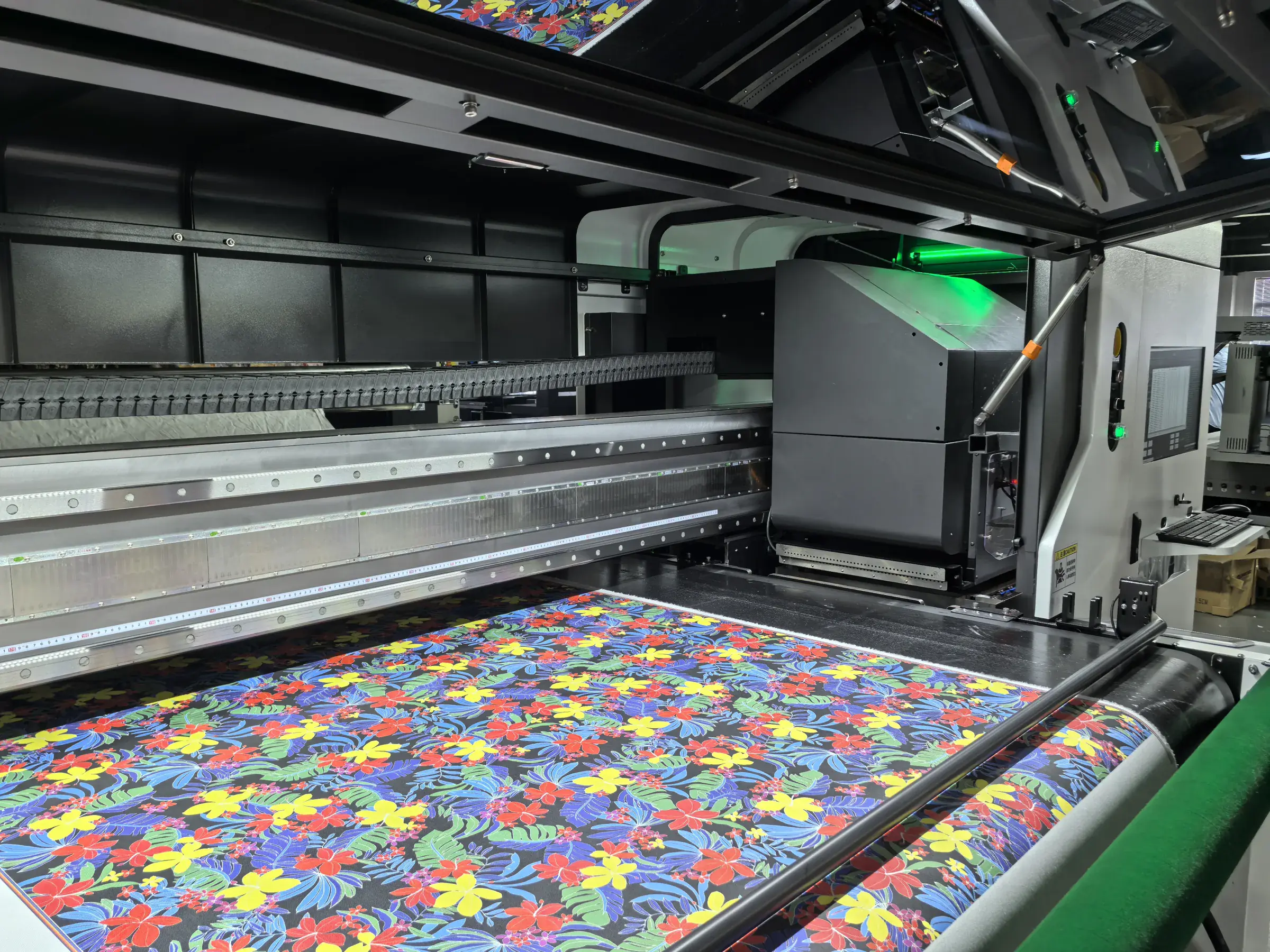
Find the right textile printing route for your product
Match substrate, fibre, ink chemistry, finishing and output targets to a qualified digital printing route.
Choose your production starting point
The right process begins with what enters the line, then narrows by fibre, ink chemistry, finishing and sellable output.
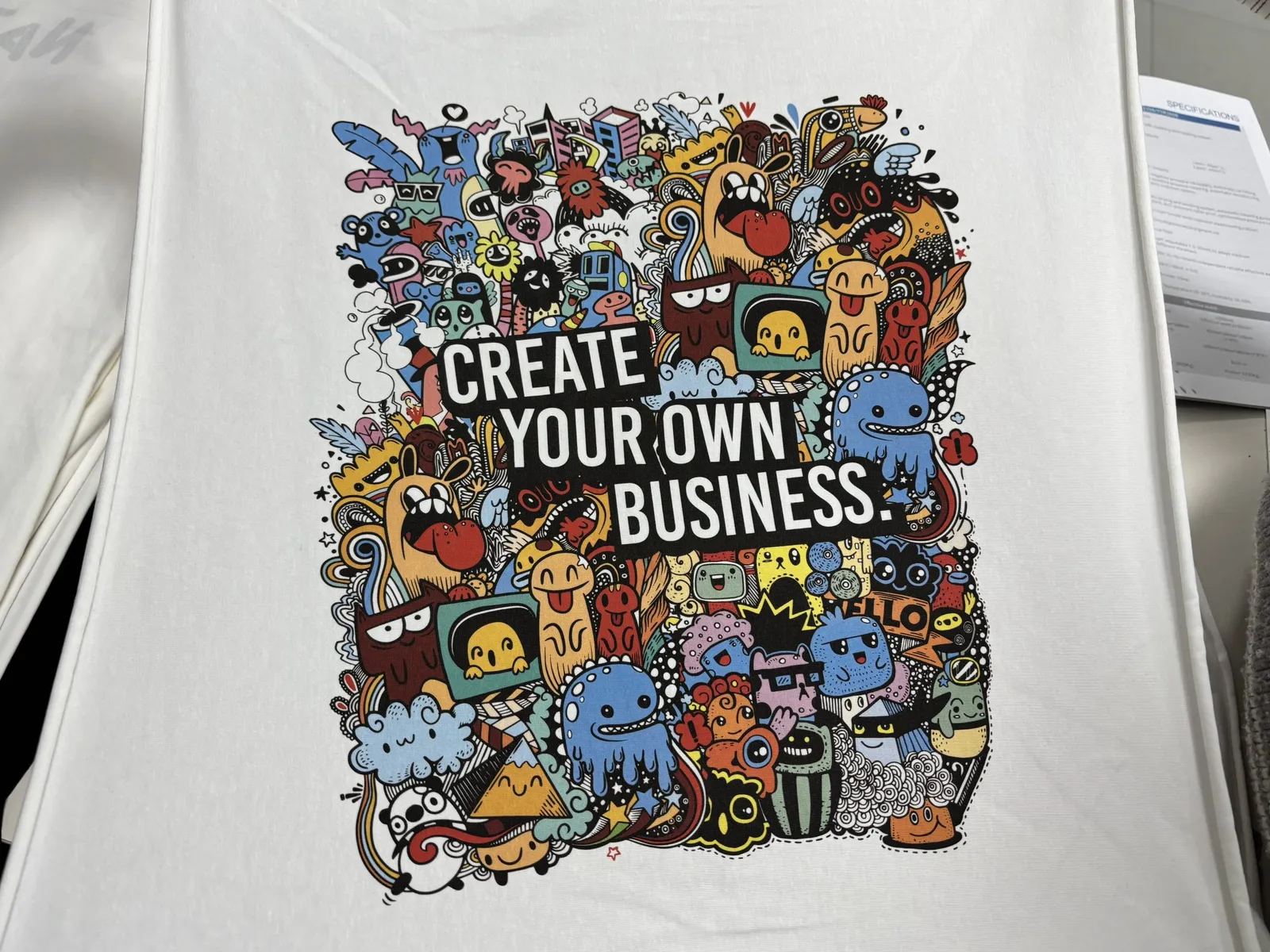
Find the right printer for your material and process.
Start with fabric, application or method. The result narrows candidate workflows and machines; final configuration is qualified on your material.
Choose a fabric
Start with the fabric and fibre composition entering the printer.
Cotton
Ink chemistry, production workflow and matching model configurations update together.
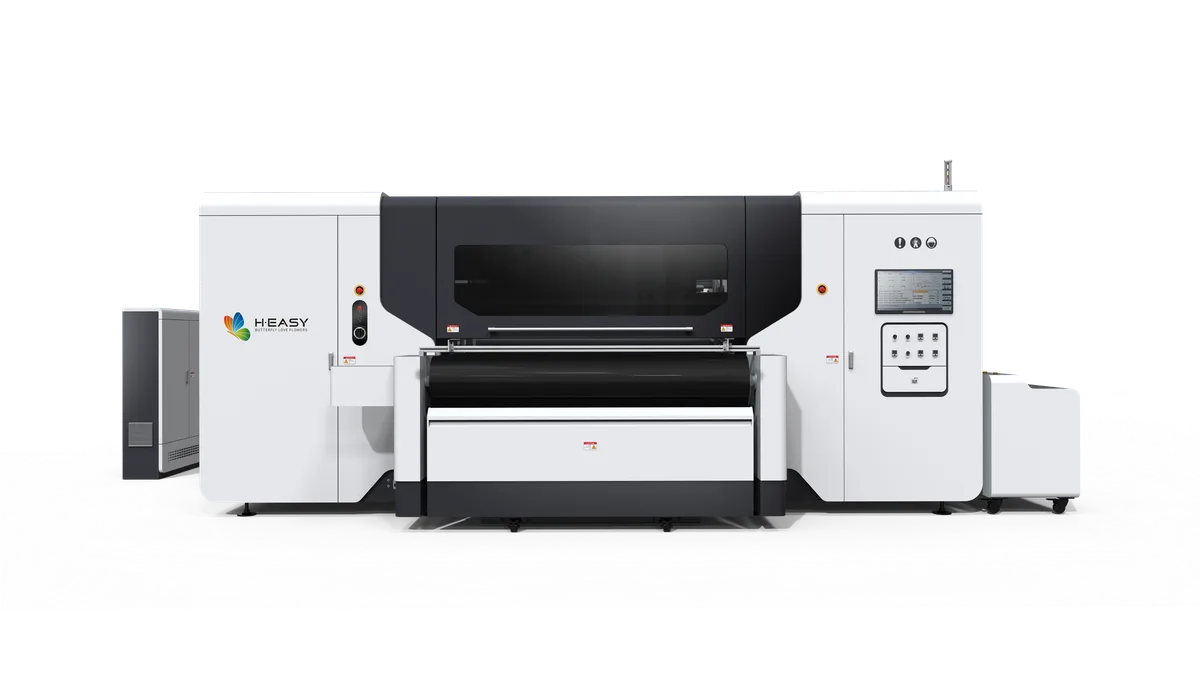
Production workflow
Process details- Pretreat
- Steam
- Wash
- Dry
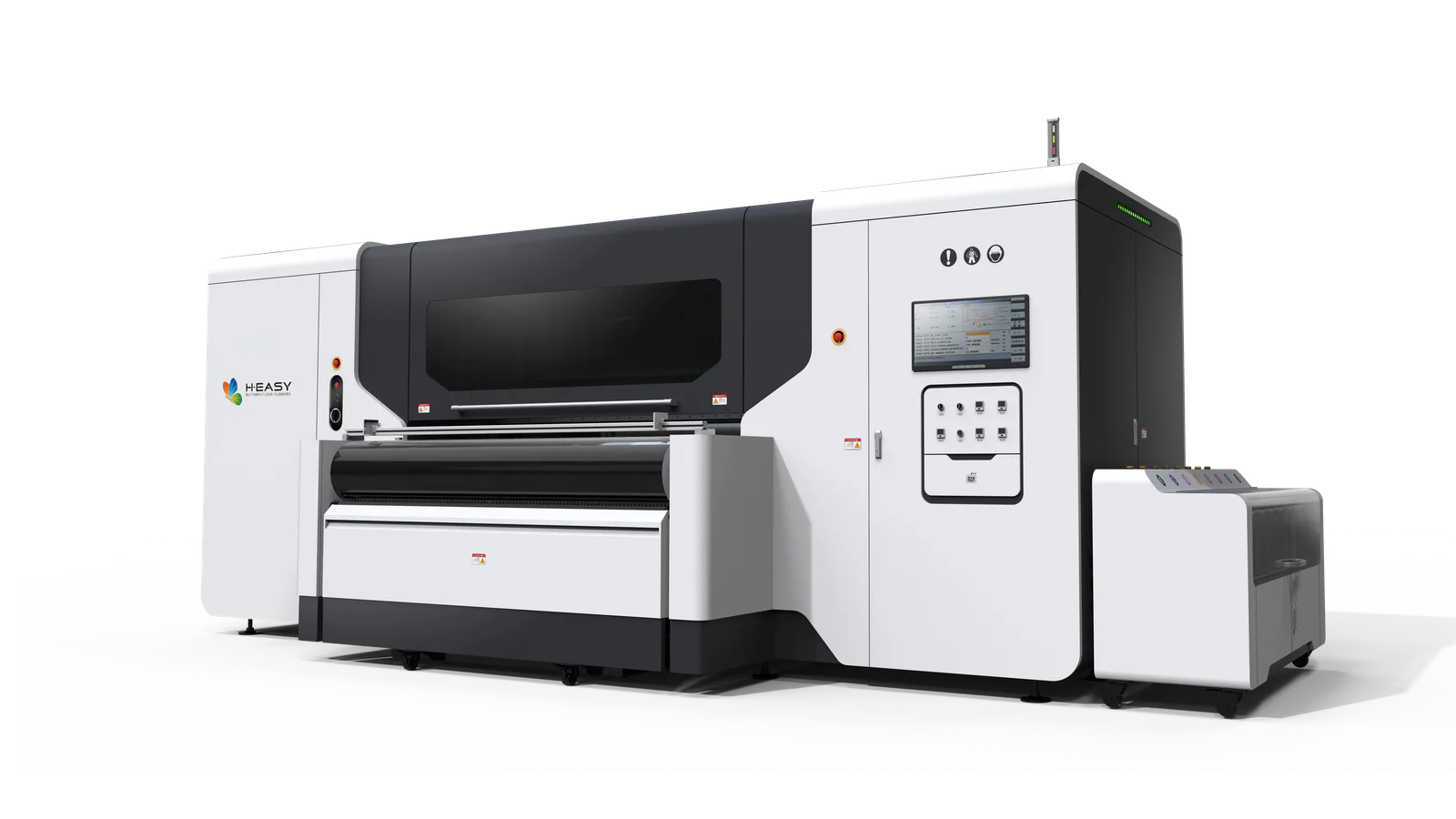
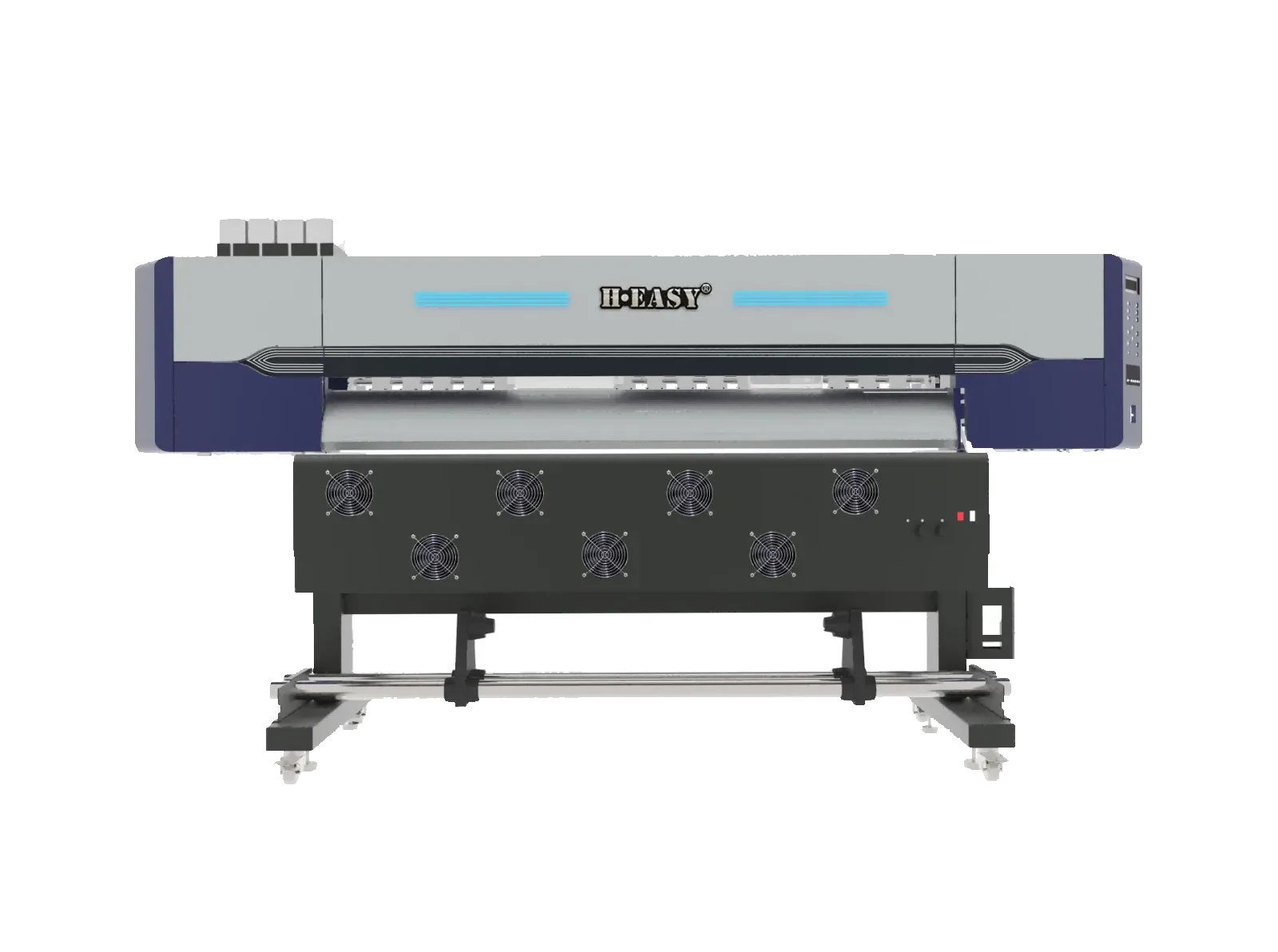
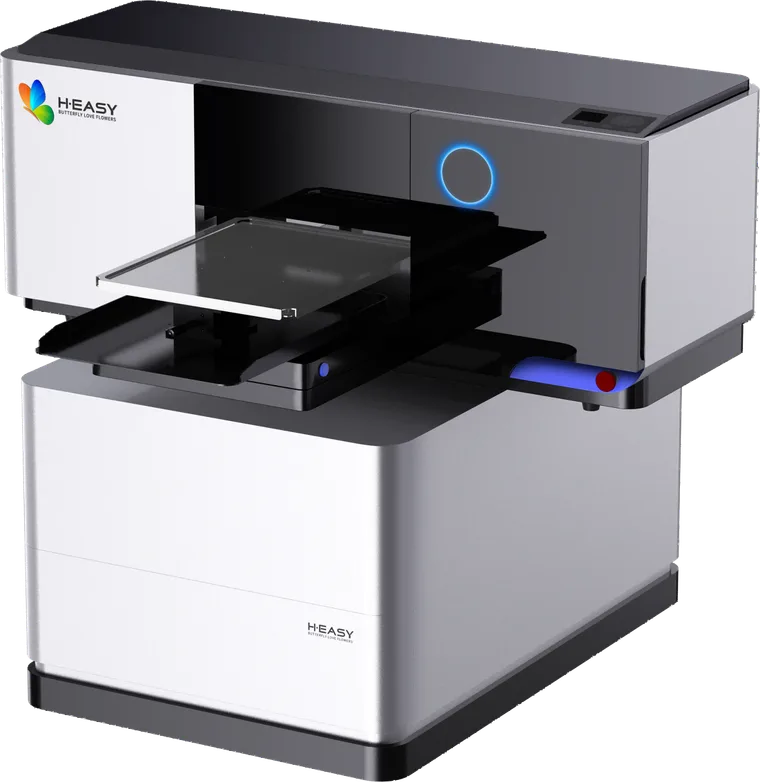
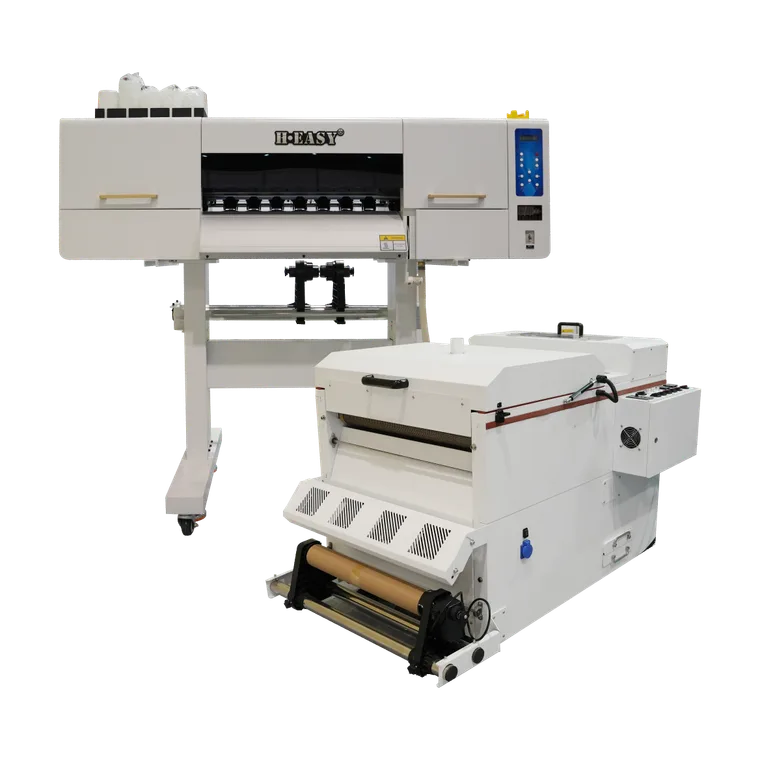
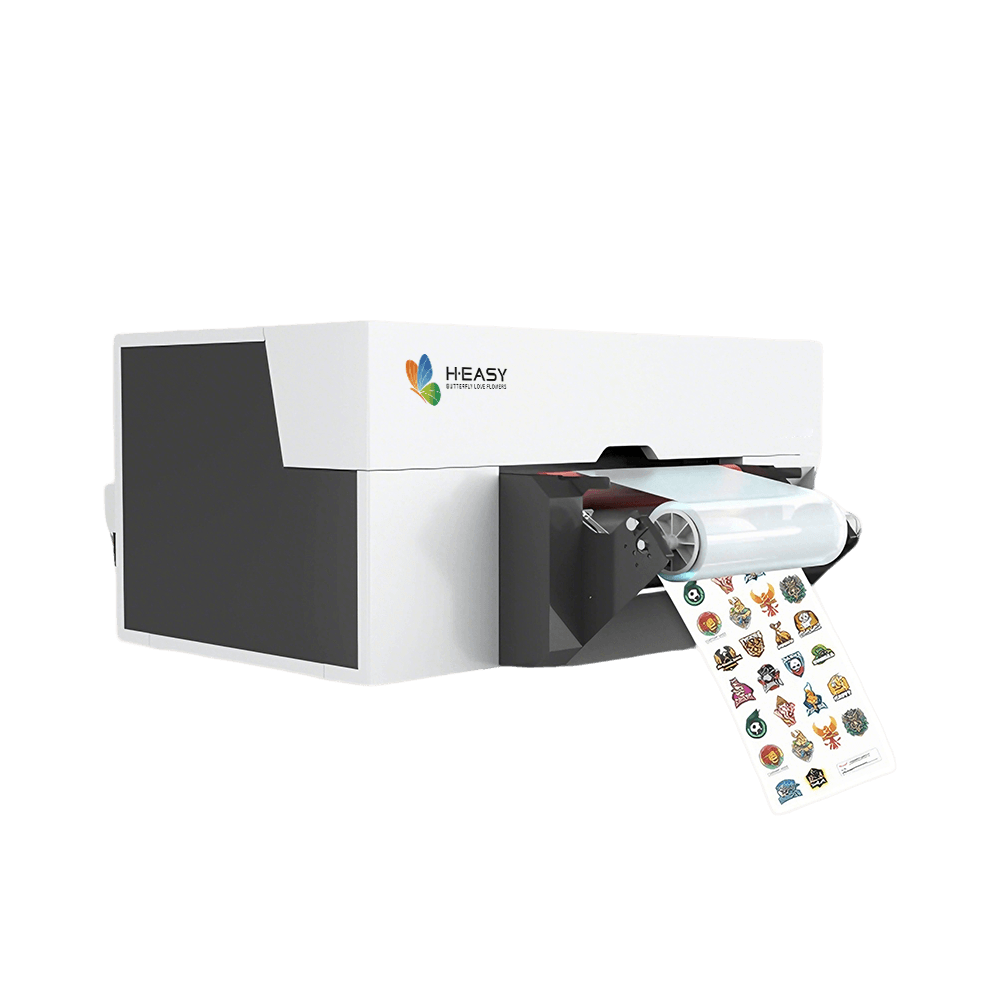
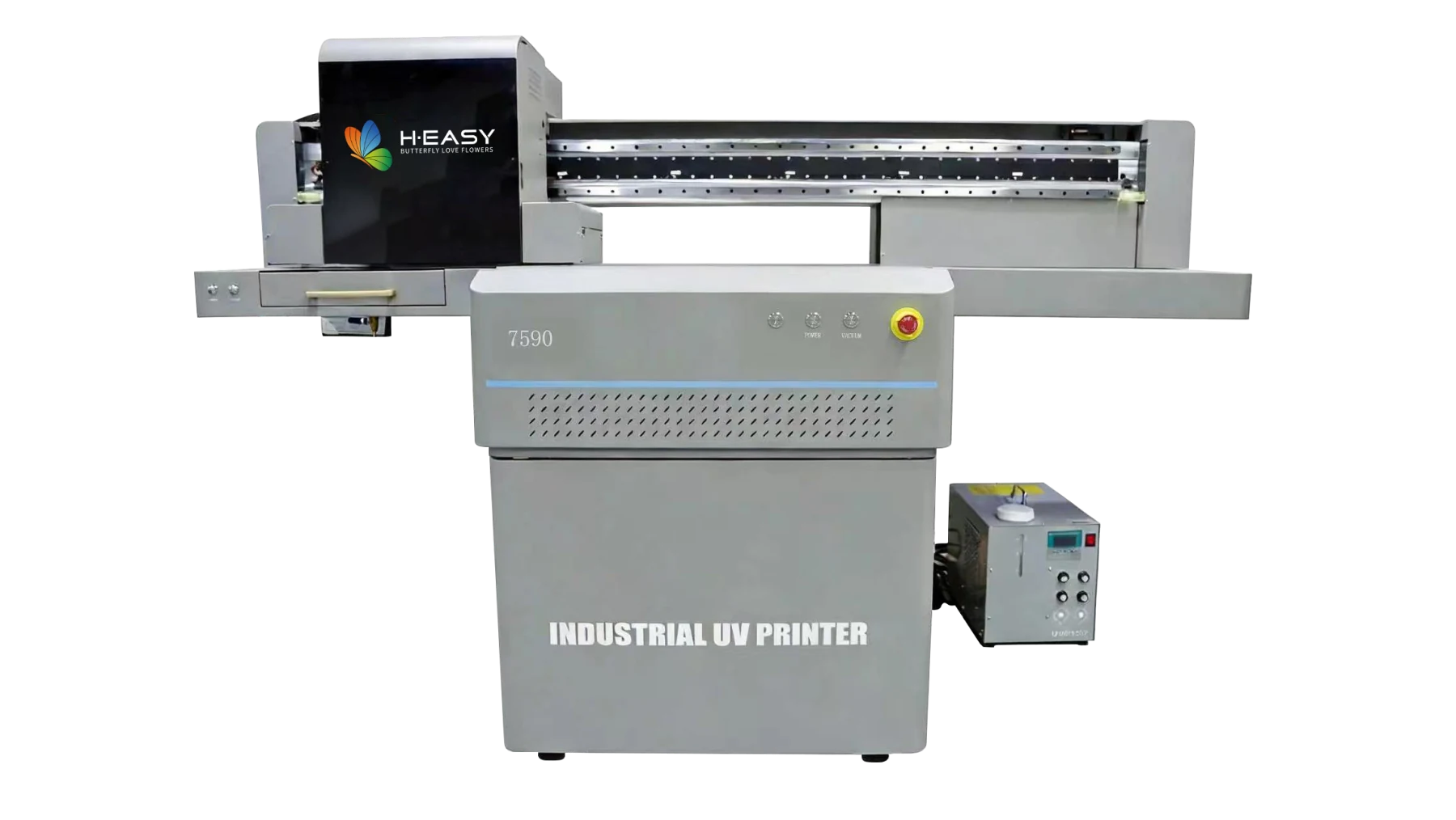
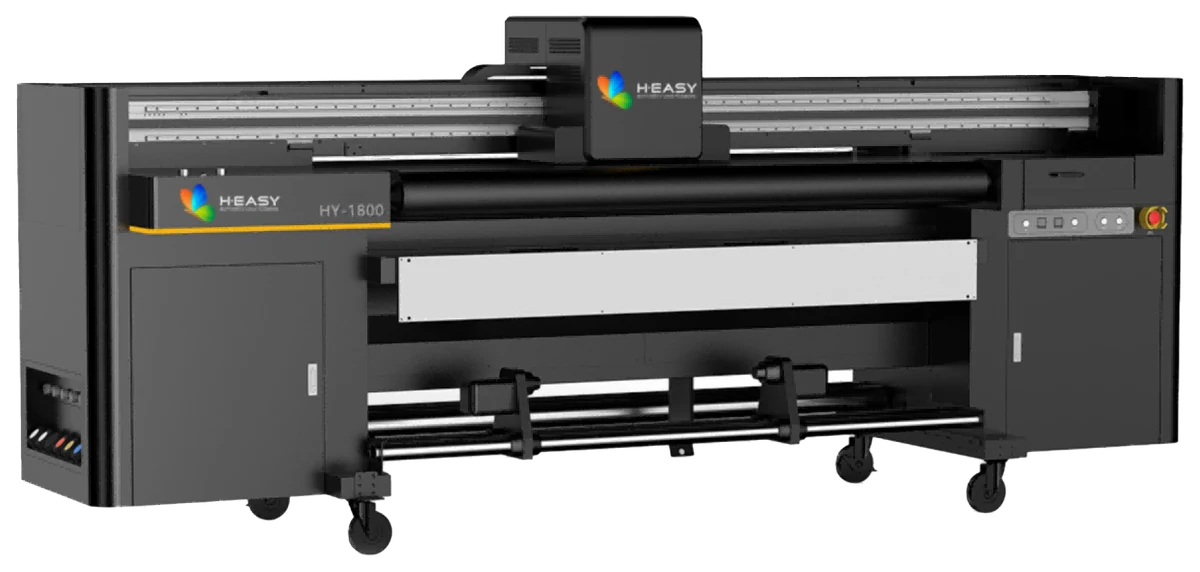
1.webp)
Choose a production format and end market
Use the route finder first, then open the industry page that matches the product and finishing standard you need to qualify.
Roll-fabric production
These routes connect the end market to the compatible fibre, ink system, finishing chain and published machine configuration.

Sportswear and swimwear
Match polyester and stretch fabrics to sublimation, direct disperse or qualified acid routes.
Review this route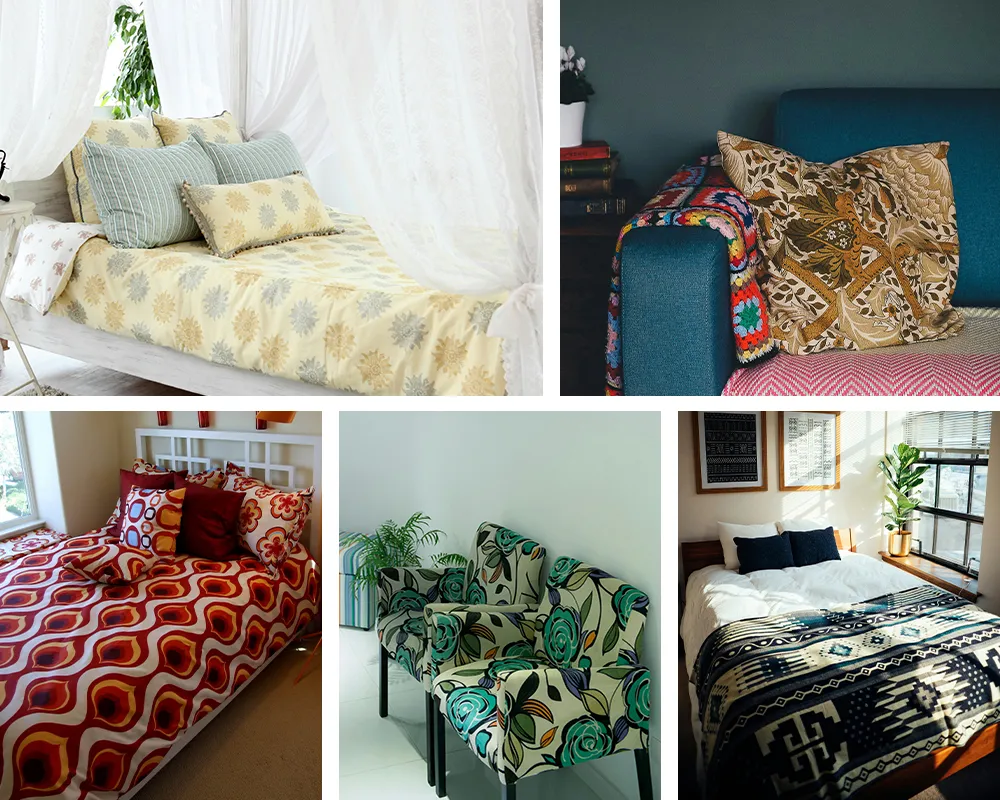
Home textiles
Route bedding, curtains and decor through wide direct printing or polyester sublimation.
Review this route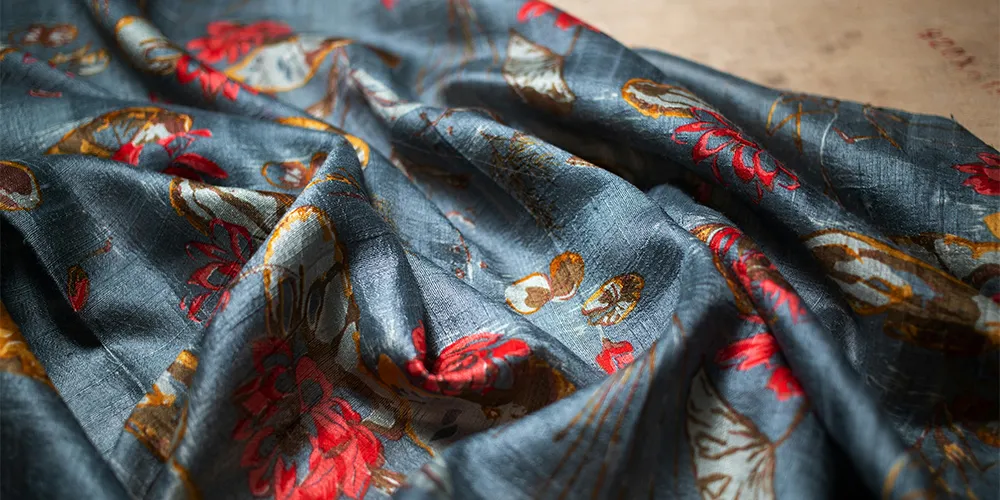
Silk and luxury fabrics
Qualify acid or compatible reactive ink for premium silk color, hand-feel and finishing.
Review this route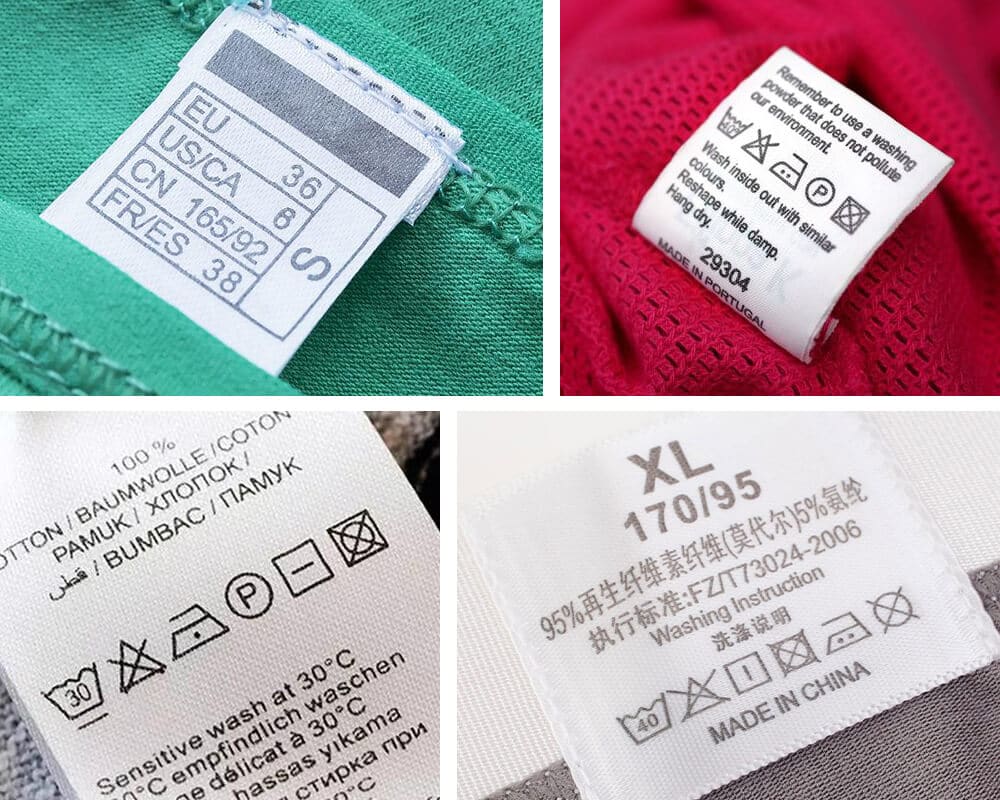
Care and wash labels
Print short-run care and size labels on satin, nylon and cotton ribbon without plates.
Review this route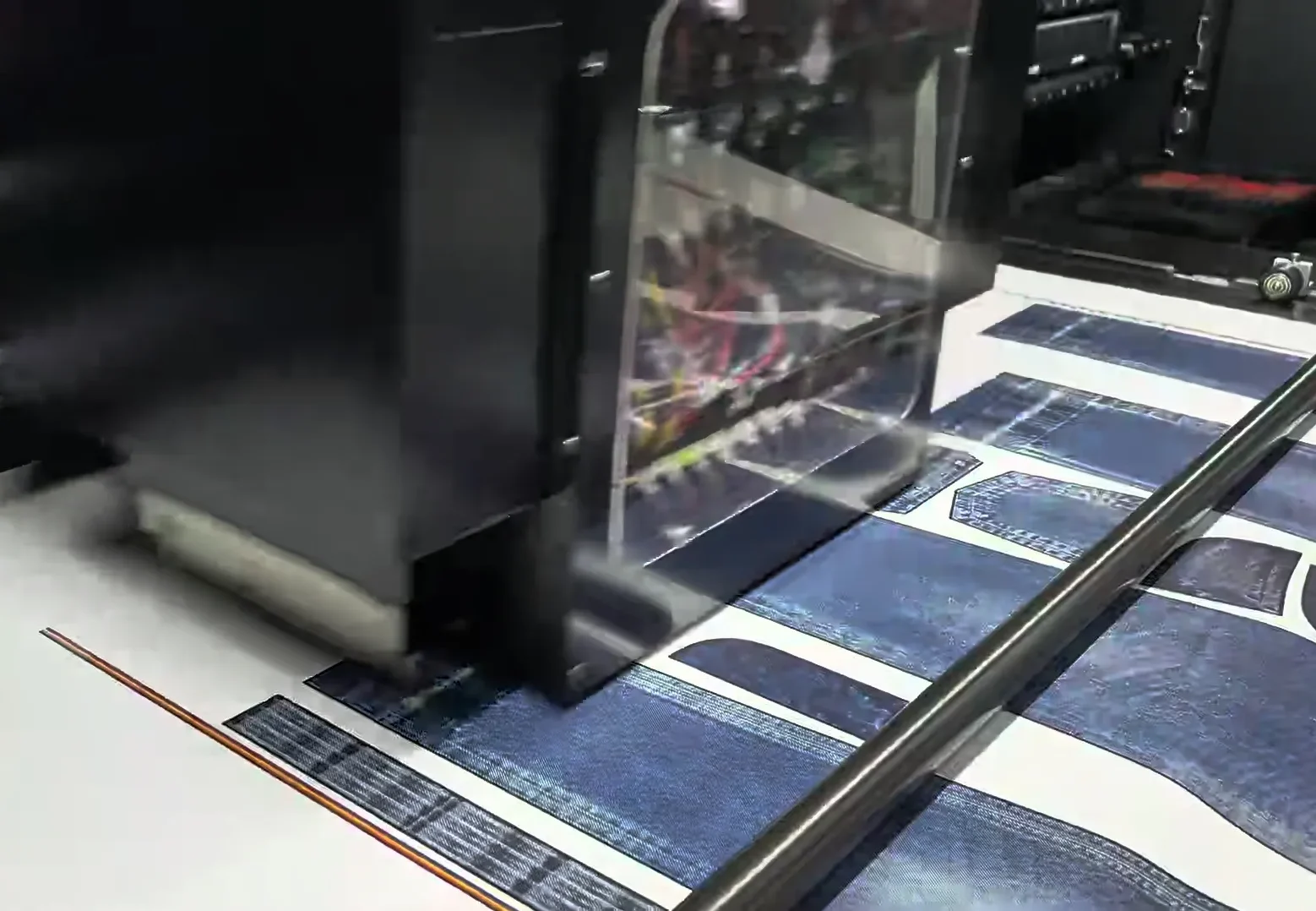
Waterless fast fashion
Shorten cotton and blend workflows with pigment printing, heat fixation and no wash line.
Review this route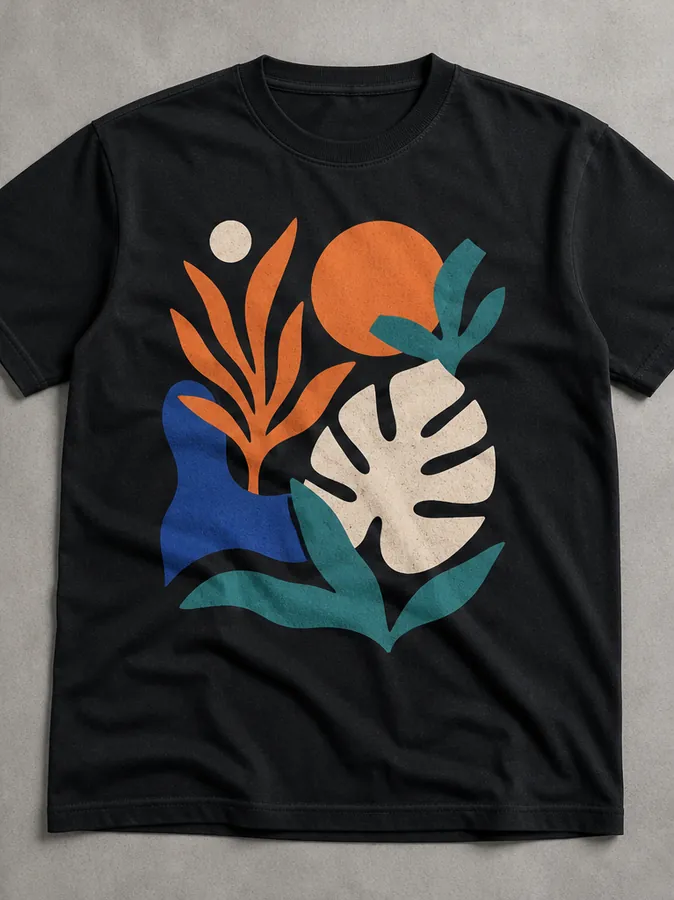
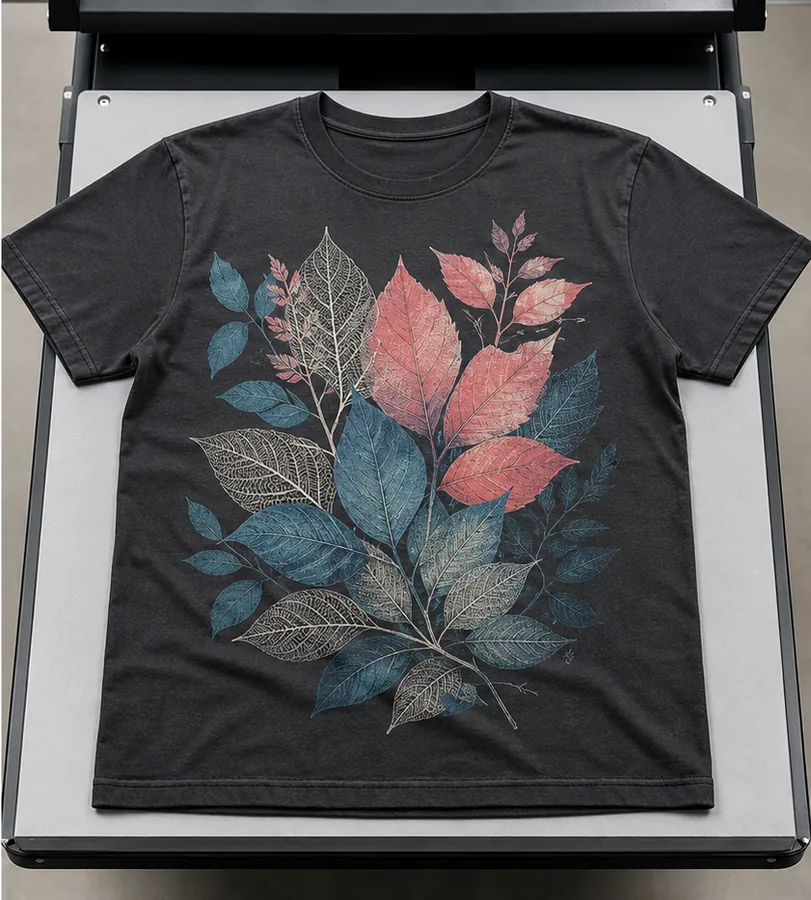
Finished garment decoration
Choose direct-to-garment or transfer production based on fabric mix, order profile, hand feel and line equipment.
Transfers and specialty decoration
Separate adhesive transfer, direct rigid printing and care-label work because the substrate, ink and finishing logic are different.
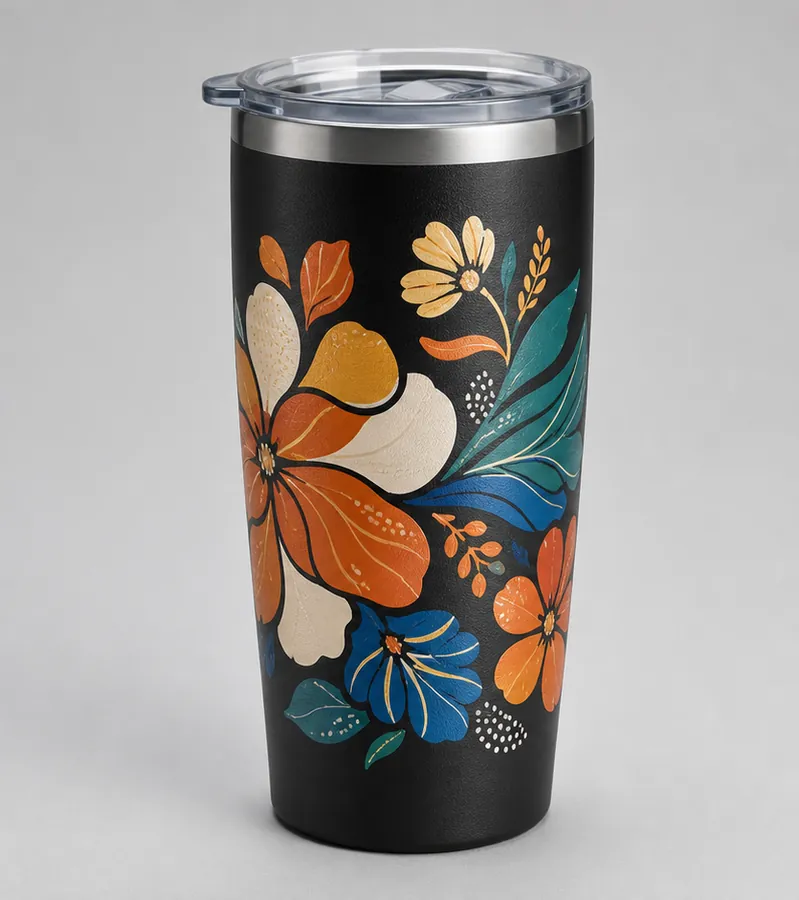
UV-DTF and rigid decoration
Use UV-DTF for adhesive transfers to compatible hard surfaces, or qualify direct UV flatbed printing for rigid substrates.
Review UV-DTFCare and wash labels
Use a dedicated on-demand label route for small text, symbols and variable production without screen setup.
Review label printingPlan the complete production line
A printer is only one part. Qualify preparation, ink, fixation, utilities and acceptance together before selecting a configuration.
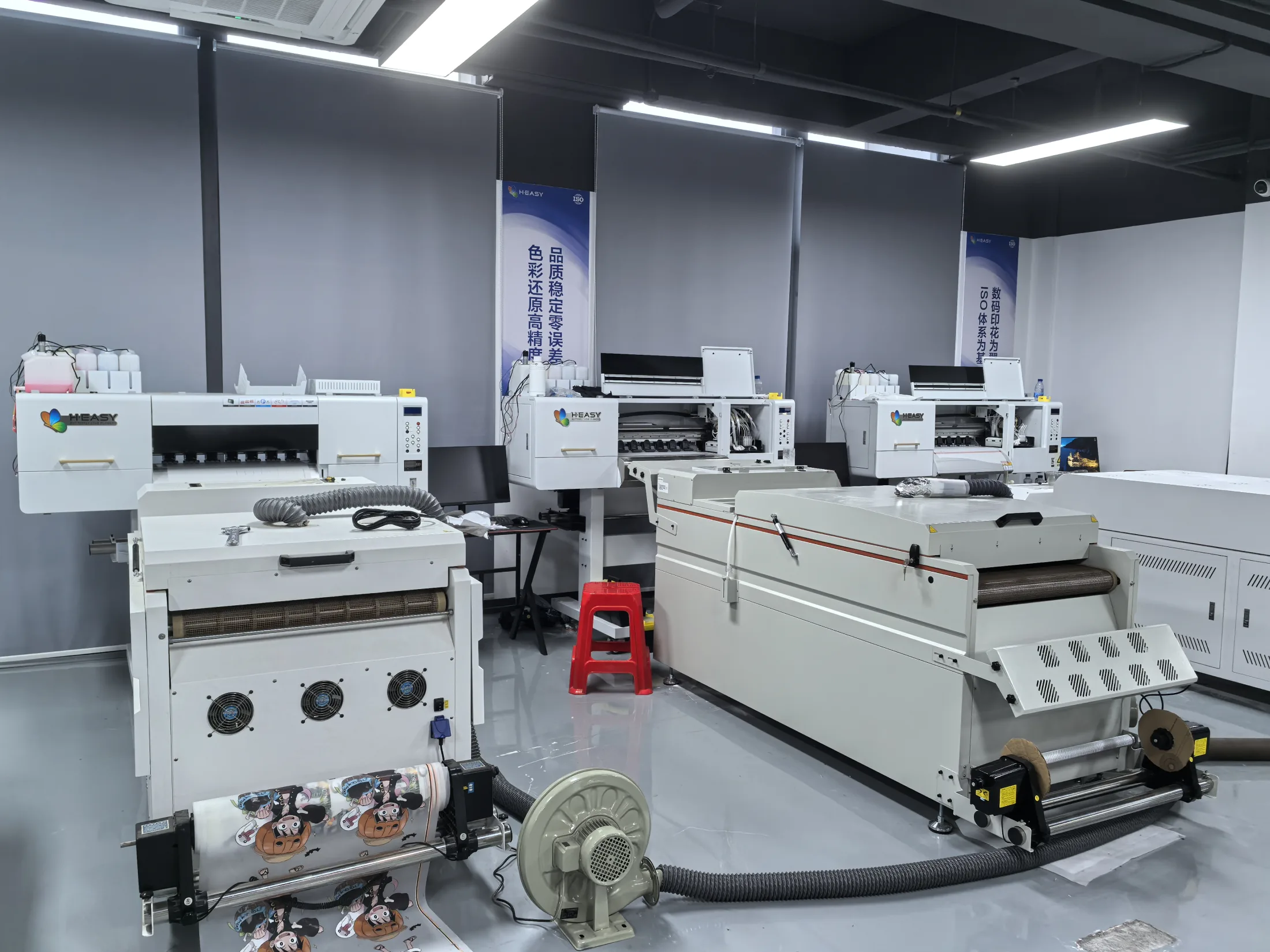
- Material preparation
- Confirm fibre composition, construction, coating, pretreatment and material condition before printing.
- Print process
- Keep each substrate on a compatible ink chemistry, transfer method and machine platform.
- Fixation and finishing
- Plan steaming, washing, drying, heat-setting, curing, laminating or pressing where the route requires it.
- Utilities and floor plan
- Include power, heat, ventilation, water, effluent and material movement for the complete workflow.
- Acceptance testing
- Agree colour, fastness, hand feel, stretch, penetration and appearance criteria before configuration sign-off.
Configure for sellable output, not headline speed
Compare the full operating route against the orders you expect to run.
- Fabric width and printable area
- Match machine width to usable material width, lane planning and the finished product format.
- Order mix and changeovers
- Short runs, repeat orders and chemistry changes create different downtime and staffing needs.
- Finishing capacity
- Steam, wash, heat-set, cure or press capacity must keep pace with accepted print output.
- Utilities and floor plan
- Cost the required power, heat, water, ventilation, effluent handling, space and material flow.
- Total operating cost
- Model ink, media, labour, energy, maintenance, rejects and finishing, not equipment price alone.
Review evidence with the right label
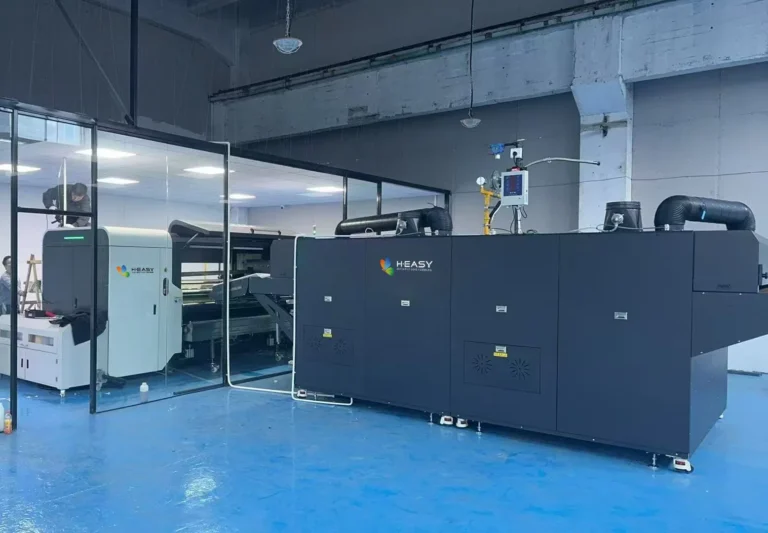
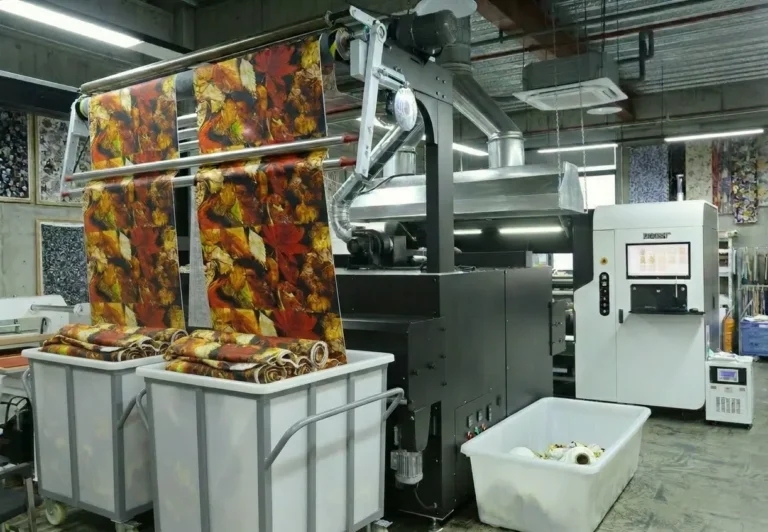
These published pages are representative production scenarios, not independently audited named-customer results.
Qualify with the material you will sell
Send one production brief and one representative sample. Agree the acceptance criteria before the configuration is finalized.
Send production brief- Actual production substrate or garment
- Fibre composition and material construction
- Artwork, colour and ink-coverage profile
- Usable width, order format and output target
- Available pretreatment, fixation and finishing
- Fastness, hand feel and appearance criteria
Textile printing route questions
Should I choose the application before the printer?
Yes. Start with the product, substrate and acceptance standard. Then match the fibre to an ink chemistry and finishing route before selecting machine width and capacity.
Can one printer cover every fabric and application?
No. A platform may support more than one published configuration, but substrate compatibility, ink contamination risk and finishing requirements can justify dedicated machines or lines.
What information is needed for a solution review?
Provide the product and end use, substrate and fibre composition, usable width, target output, order profile, artwork coverage, available finishing equipment and acceptance criteria.
Why is testing on the actual material required?
Material construction, pretreatment, ink, fixation and finishing interact. A representative sample is needed to assess colour, fastness, hand feel, stretch, penetration and final appearance.
Send your production brief
Share the product, substrate, usable width, output target and existing finishing line for a route and configuration review.