
Waterless pigment printing for fast fashion
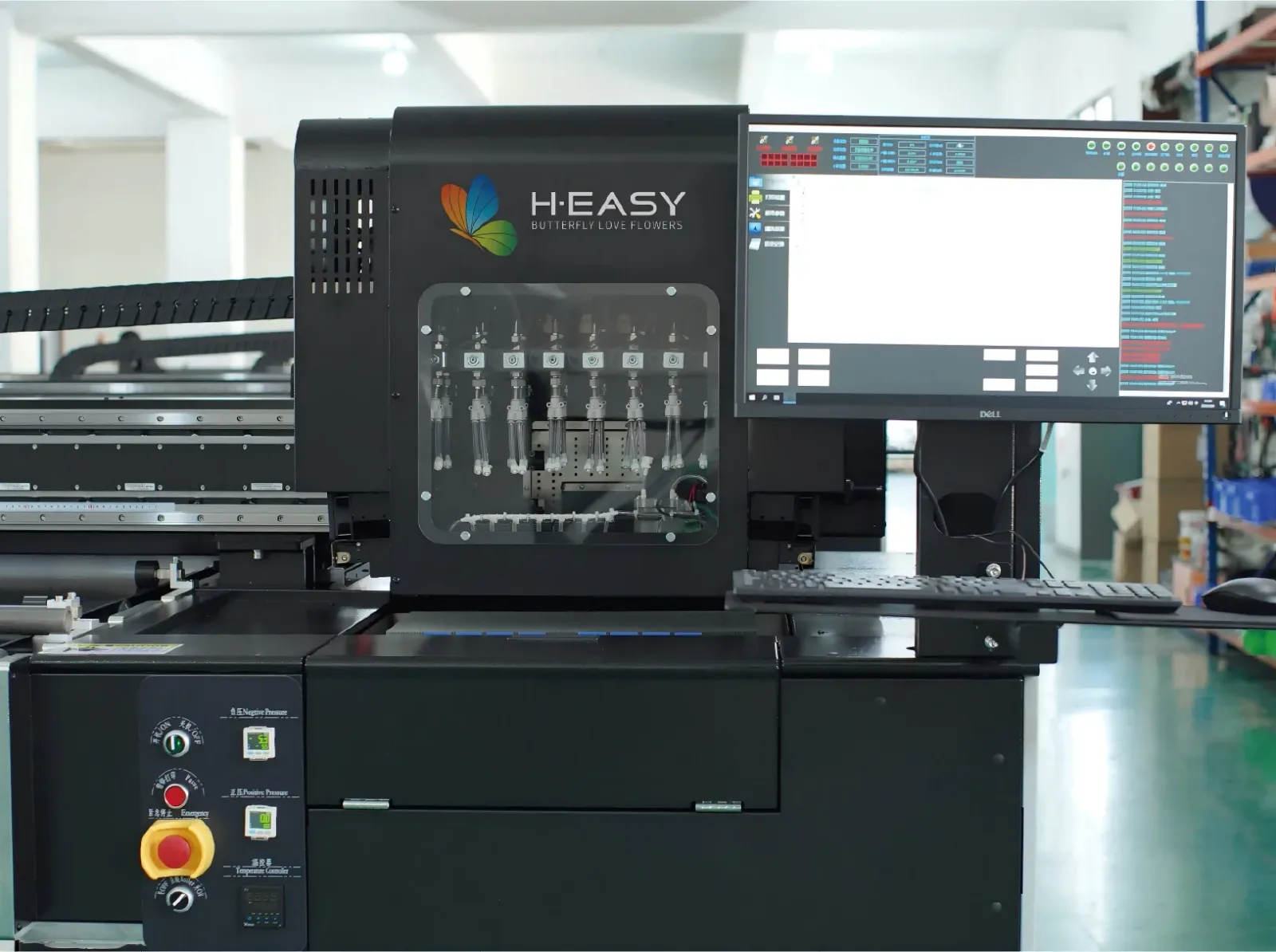
Use HY-Series pigment printing on cotton and blends when fast-fashion production needs heat fixation without steaming or washing.
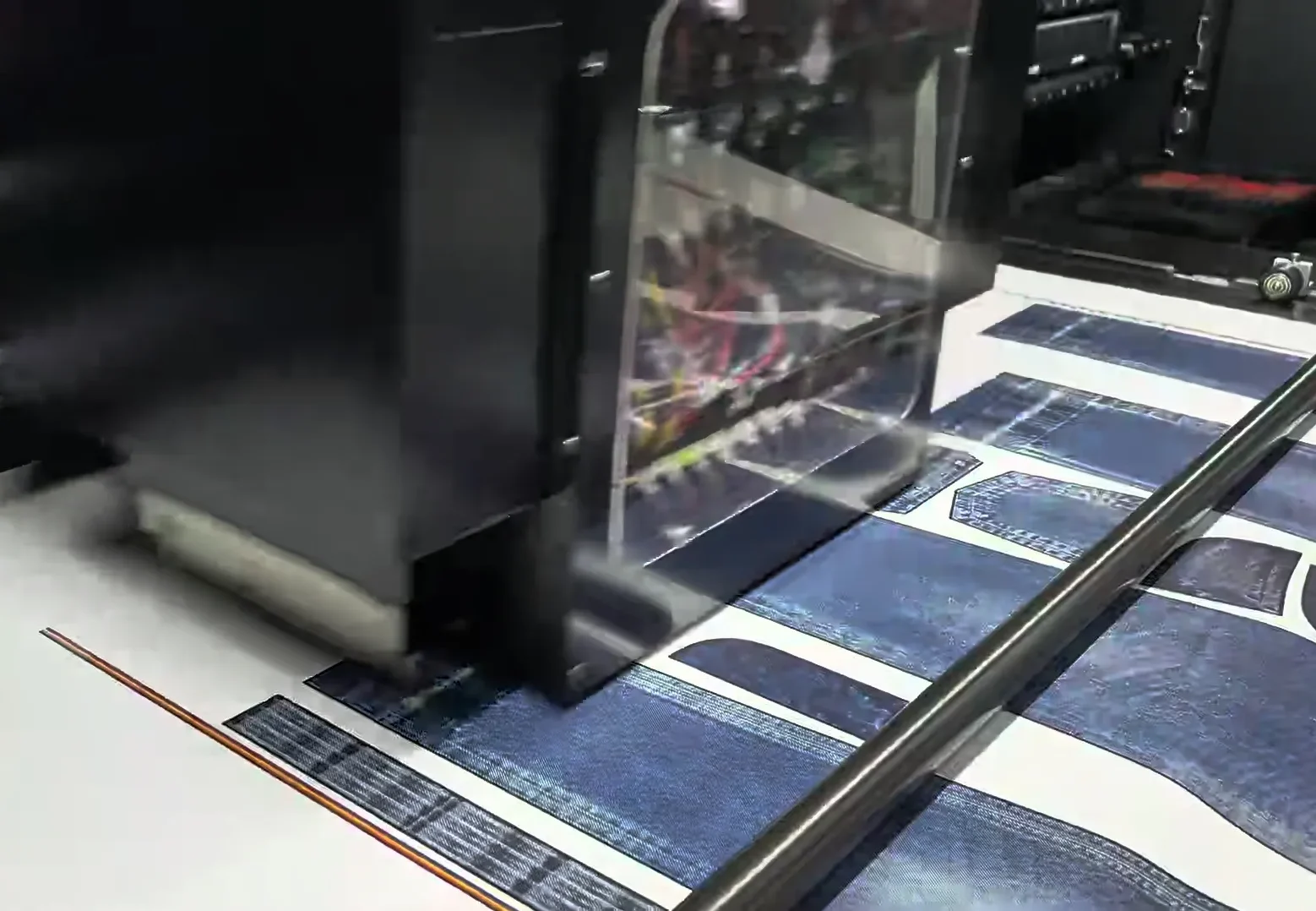
Recommended machine configurations
Every line below is rendered from published product frontmatter, not a separate specification copy.
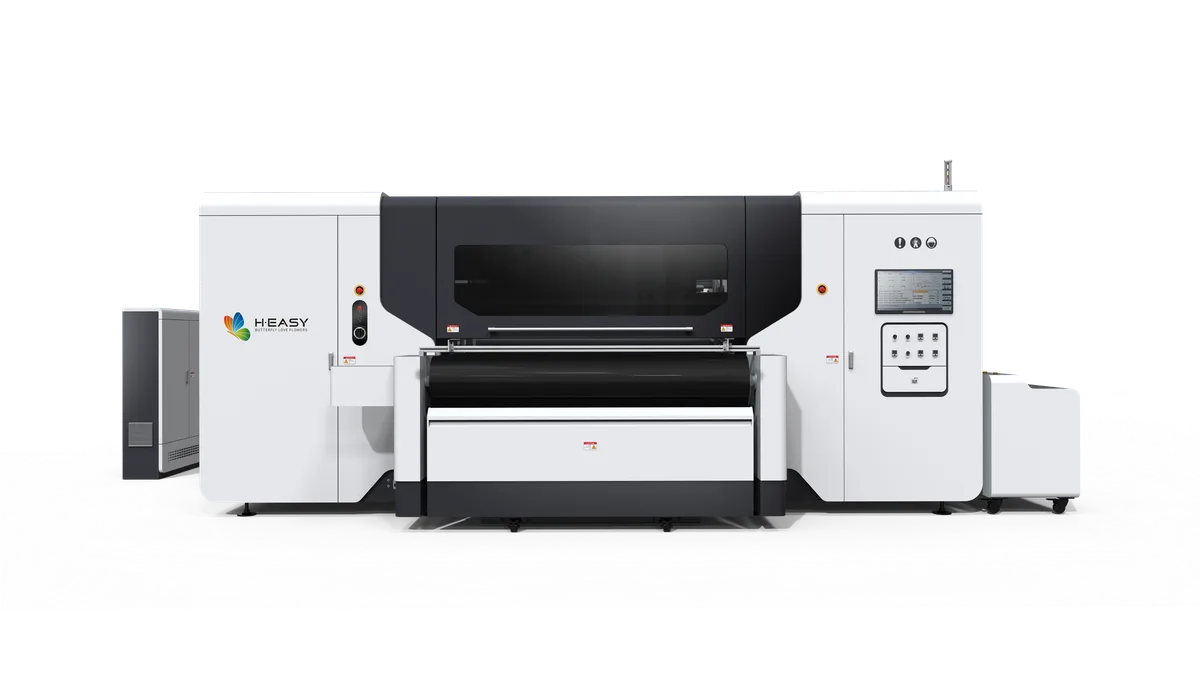
HY-1808
Sampling, lower volume
- Print width
- 1800 mm
- Printheads
- 8 × Ricoh Gen6
- 2-pass reference
- 170 m²/h
- Ink systems
- Reactive / Disperse / Pigment
HY-1816
Production workhorse
- Print width
- 1800 mm
- Printheads
- 16 × Ricoh Gen6
- 2-pass reference
- 330 m²/h
- Ink systems
- Reactive / Disperse / Pigment
HY-2232
Continuous multi-shift
- Print width
- 2200 mm
- Printheads
- 32 × Ricoh Gen6
- 2-pass reference
- 650 m²/h
- Ink systems
- Reactive / Disperse / Acid / Pigment
Ink route and finishing chain
Start with the material selector, then keep each chemistry on its own published finishing route.
Cotton
- Process
- Direct-to-fabric
- Ink options
- Reactive / Pigment
- Published width range
- 1.8 m / 2.2 m / 2.6 m
Pigment no-wash route
Heat only, no steam or wash
- Pre-treat
- Heat-fix
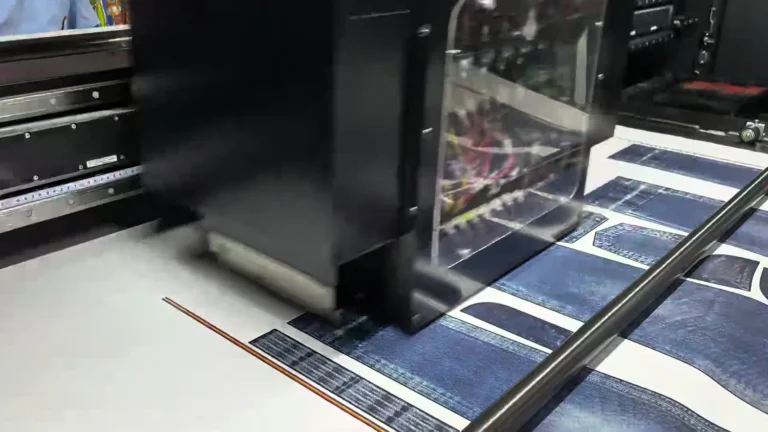
Waterless Fast-Fashion Apparel Upgrade
Representative production scenario: a short-run apparel producer moves 1.5 m fashion fabric to a waterless pigment workflow on the HY-1816, at ~4,400 m/day.
- Machine
- HY-1816 · 1.5 m
- Daily output
- ~4,400 m/day
- Route
- Pigment (waterless)
This is a representative scenario built from published configuration data, not an independently audited named-customer result.
Review the full scenarioFinished-product applications
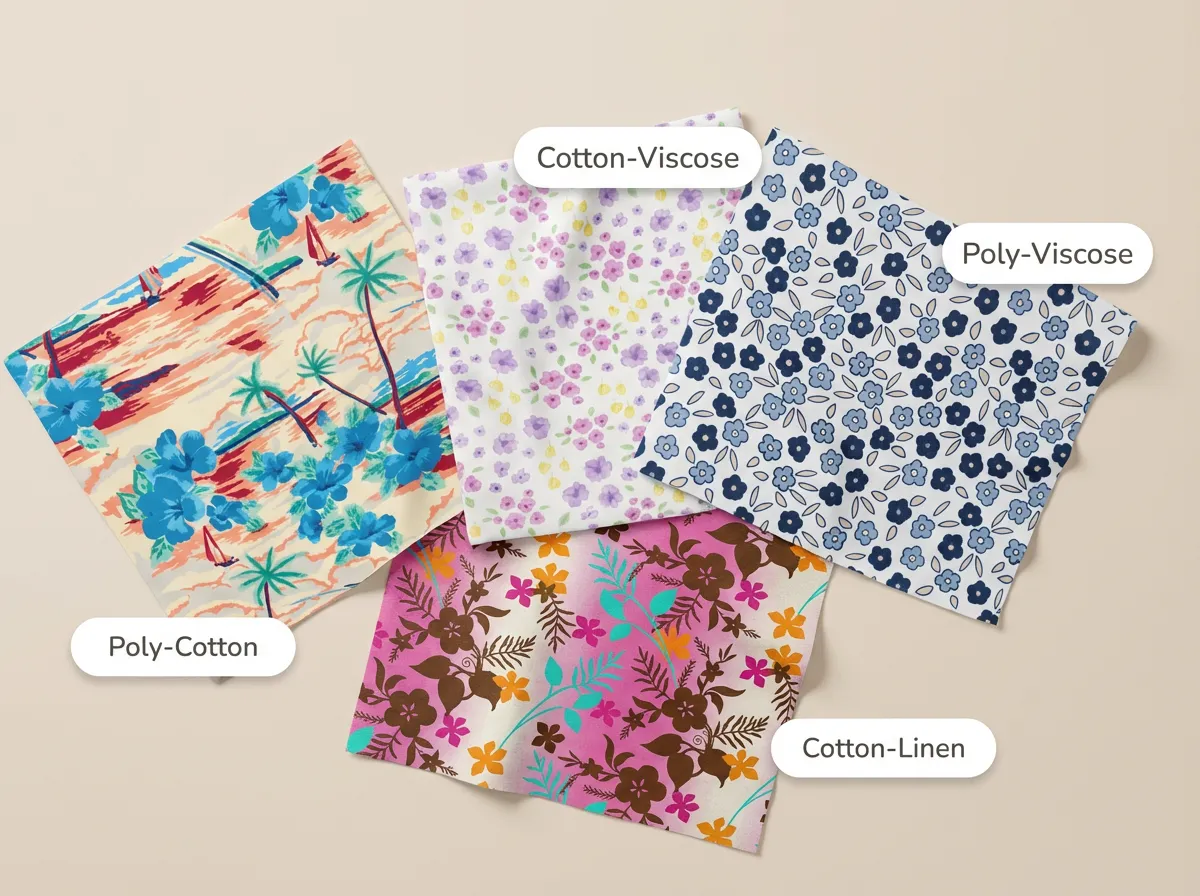
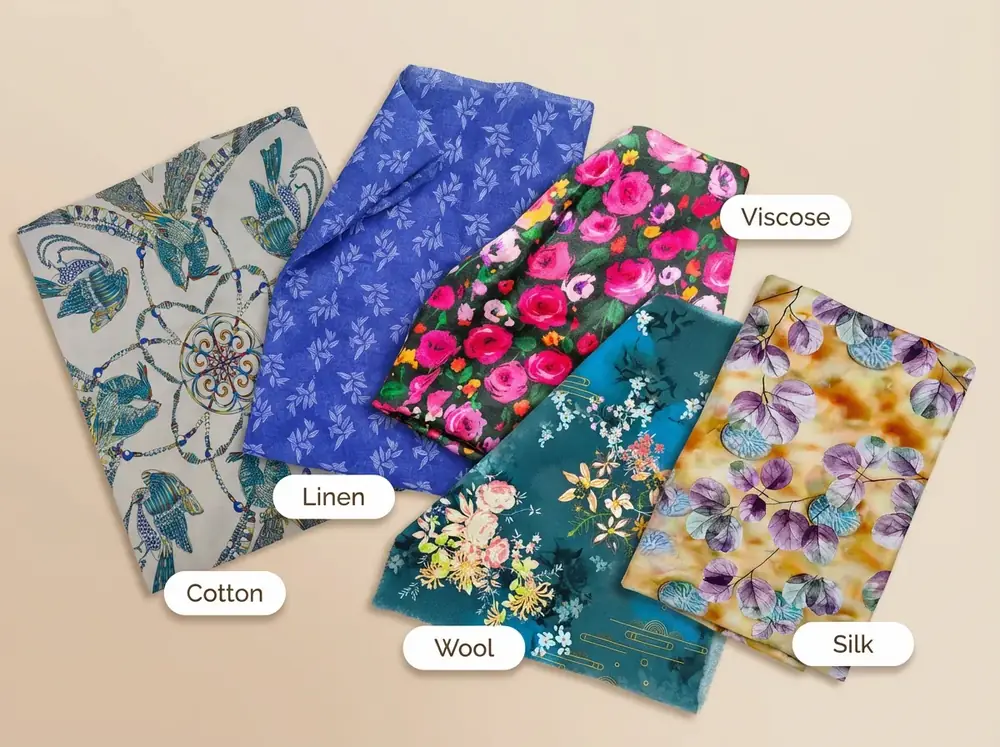
Existing application photography shows the materials and end products this route is intended to qualify.
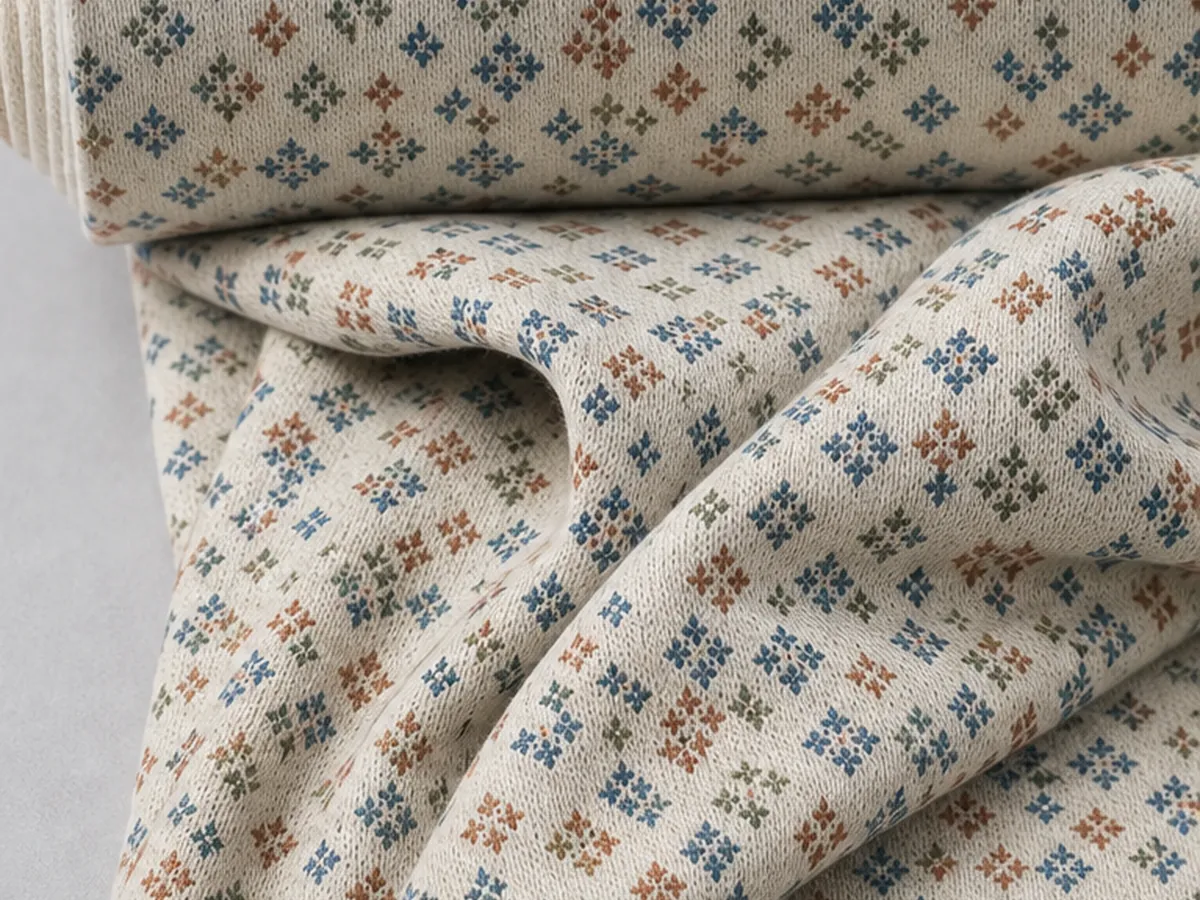 Blank cotton blendPrinted cotton blend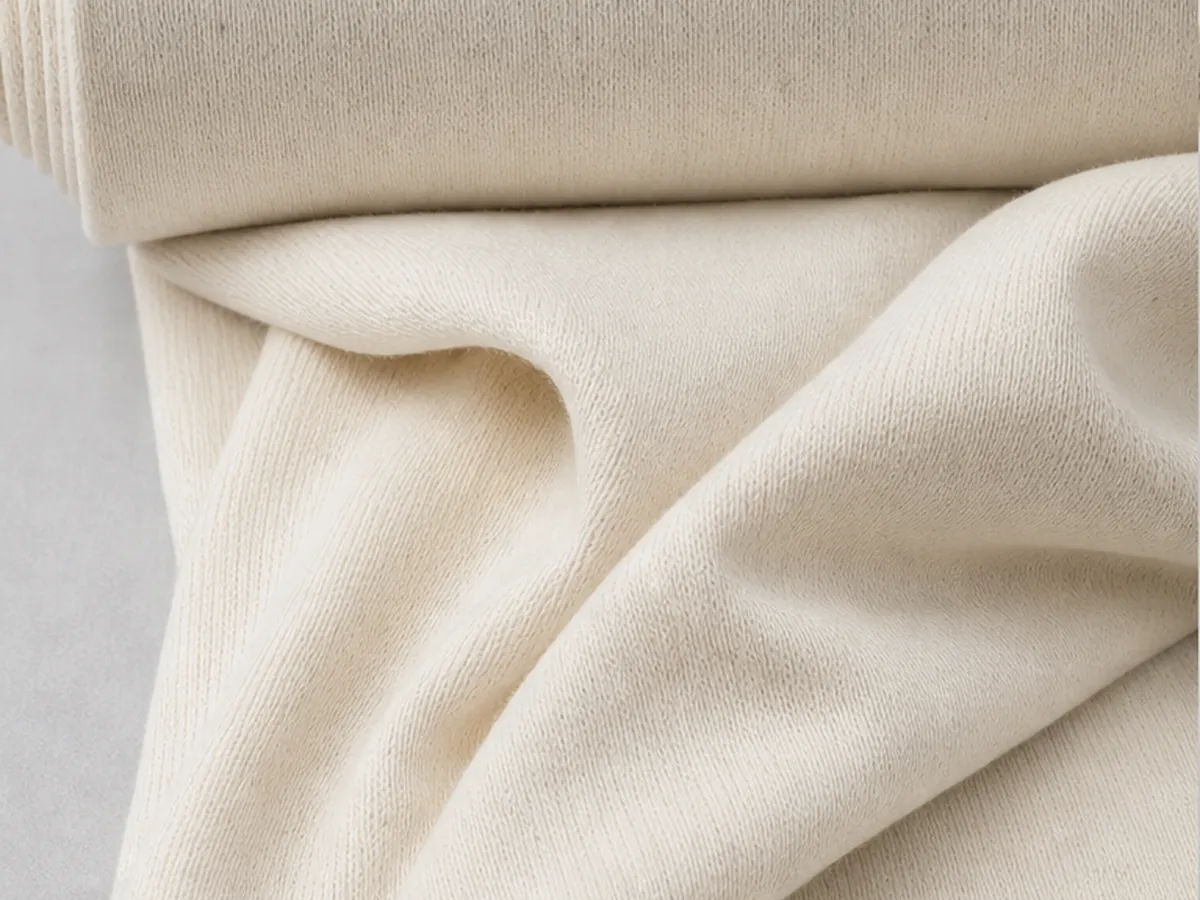
Related production guides
Use the full guides for chemistry, workflow and machine-selection detail before quotation.
How No-Wash Pigment Printing Reduces Production Cost
A pigment no-wash route removes reactive printing's steam and wash stages. Compare the same job to quantify water, energy, labor and equipment effects.
Read the guide
Pigment Textile Printing - Fabric to Finished Product
Pigment textile printing: inspect, pretreat, print, dry and heat-fix within a qualified process window. It needs no dye wash-off; finishing may add an optional rinse.
Read the guide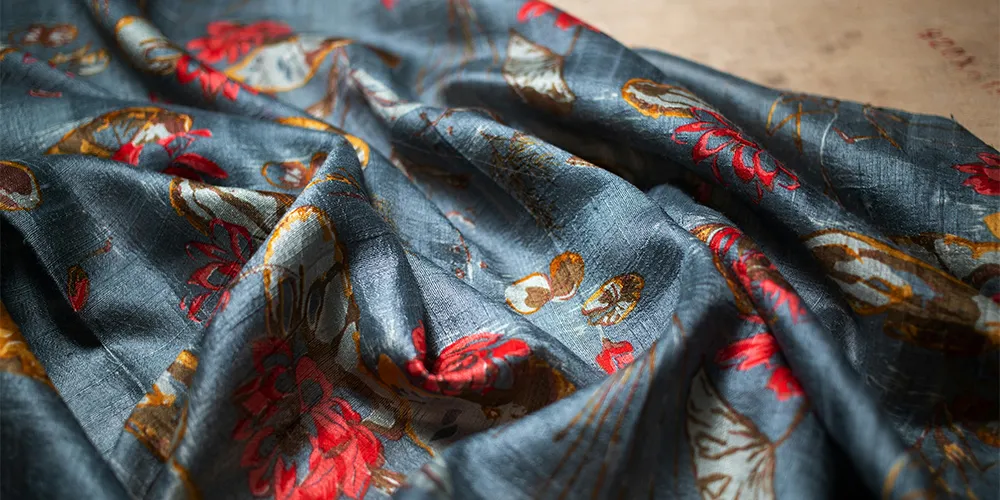
Why Pigment Ink Printing Is Making a Comeback in the Textile Industry
Pigment printing is being reevaluated for qualified no-wash workflows, flexible fabric programs and tighter environmental scrutiny. Compare complete routes, not headlines.
Read the guide
Why Pigment Ink Printing Works Well for Blended Fabrics
Pigment ink uses a surface binder rather than a fibre-specific dye reaction, so it can be qualified across many blends. Adhesion and fastness still require fabric testing.
Read the guideWaterless fast fashion questions
What makes pigment printing a no-wash route?
Pigment color is fixed to the fabric with a binder during heat fixation. It does not need the steaming and multi-stage washing used by reactive printing.
Which fabrics suit the waterless pigment route?
The published pigment route covers cotton and blends, including mixed-fibre production where one fibre-specific dye route would not cover the full fabric.
What is the pigment finishing chain?
The HY-Series pigment workflow is pretreatment, printing and heat fixation. It uses heat only, with no steam or wash step.
When does reactive still make more sense?
Reactive remains the published choice for premium cotton programs where the softest hand and deepest color outweigh the longer wet-processing workflow.
Is the fast-fashion scenario a guaranteed output claim?
No. It is a representative production scenario. Actual capacity depends on fabric, coverage, pass mode and the sellable-quality standard.
Qualify this solution on your production job
Send the fabric, target width, output and finishing capability for a configuration review.