How No-Wash Pigment Printing Reduces Production Cost
The published pigment workflow uses pretreatment, printing and heat fixation without a wash stage. Reactive production adds steaming, washing and drying. Removing those stages can reduce water, wastewater treatment, equipment, handling and floor-space requirements, but the financial effect must be measured for the same job and acceptance standard.
Where the savings come from
Water consumption
Reactive printing’s washing step removes unfixed dye and process chemicals from the fabric, so it adds process water and wastewater to the line. The pigment route removes that wash-stage demand. A fair comparison still includes water used for pigment pretreatment, cleaning and site utilities.
Wastewater treatment cost
Less wash → less wastewater → less treatment cost. Wastewater treatment involves chemical handling, electricity, equipment investment and regulatory compliance. Reducing wastewater volume reduces all four.
Workflow shortening
Traditional reactive workflow:
Sizing → Printing → Steaming → Washing → Drying → FinishingPigment workflow:
Sizing → Printing → Drying → FixationThe pigment route does not need the reactive line’s post-print steaming and washing stages. That changes the required equipment, floor space, operator tasks and handling points; quantify each item in the proposed factory layout.
Labor and equipment
Depending on the qualified process, a reactive line may include:
- Washing equipment
- Steam fixation chambers
- Auxiliary drying after wash
Each is a capital and operating cost line. A pigment line instead needs its qualified pretreatment, printing, drying or fixation, handling and inspection equipment. Compare complete lines rather than the printers alone.
Defect rate
Each post-print processing step is an opportunity for fabric damage:
- Color bleeding during wash if fixation wasn’t complete
- Fabric deformation under tension in long wet-processing lines
- Handling damage in transfer between stages
Removing wash and steam removes those two handling stages, but it does not remove quality risk. Pigment production still requires control of pretreatment, printing, fixation, transport and inspection.
The cost comparison
Compare the complete route for an equivalent saleable result:
| Cost factor | What to compare |
|---|---|
| Ink and chemistry | Measured use × current supplier price |
| Water and treatment | Pretreatment, wash, cleaning and wastewater |
| Energy | Drying, steaming, washing and fixation loads that apply |
| Labor | Operator time across every production stage |
| Equipment | Depreciation, maintenance and occupied floor space |
| Yield | Setup waste, defects and rework per saleable m² |
There is no universal per-m² figure across factories. Compare the same fabric, artwork and output target, then add the local costs for ink, pretreatment, energy, labor, equipment, maintenance and waste. See how to calculate pigment ink printing cost per square meter.
When to qualify a reactive route
Pigment is not a universal replacement. A production trial may still favor a reactive route when:
- A cotton program has a demanding hand-feel or color target that the tested pigment route does not meet
- Brands with established reactive supply chains - switching costs may dominate
- Customer-specified reactive contracts - many brand specs still call for reactive explicitly
Production hardware
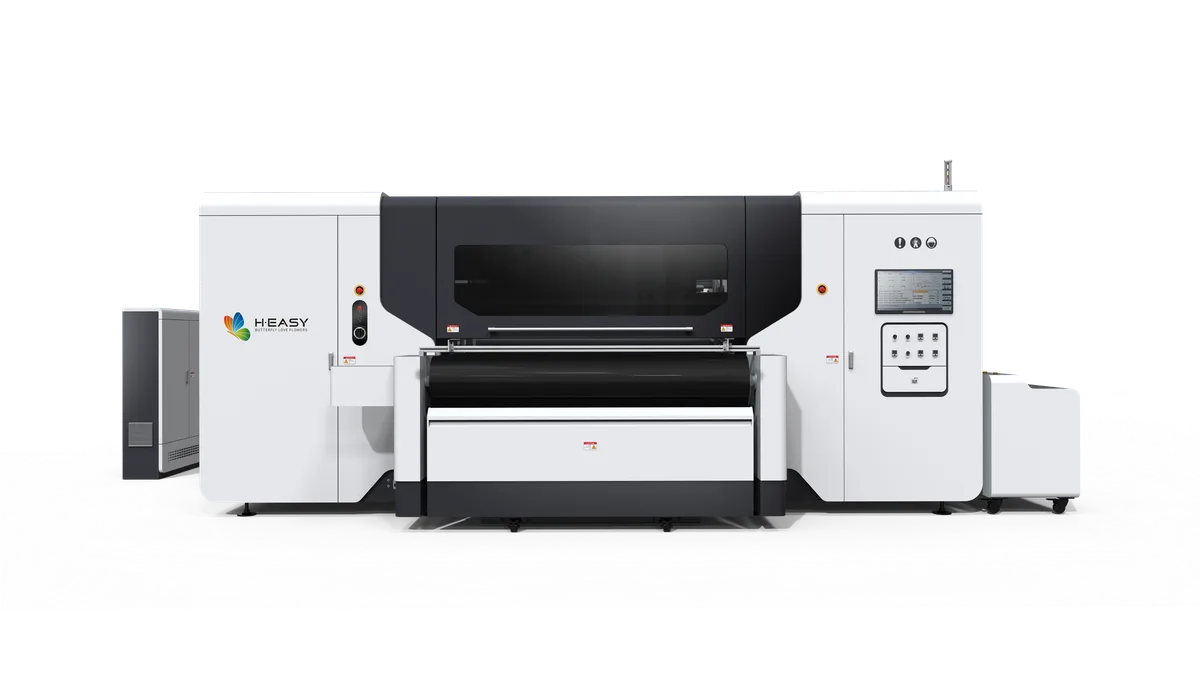
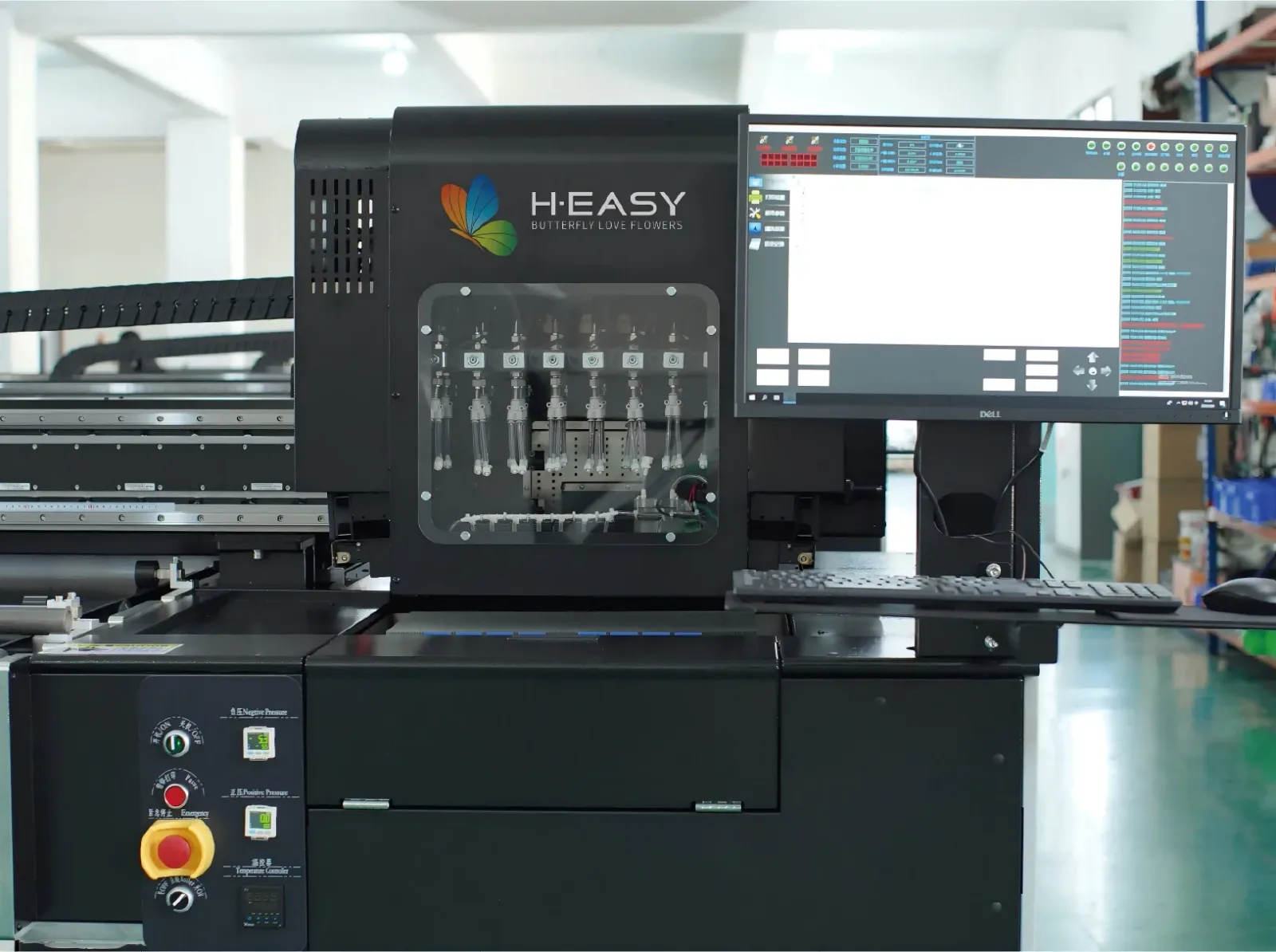
For pigment textile printing at industrial scale, see the HY-Series R2R printers - 1.8–2.6 m platforms available in pigment, reactive, disperse and acid ink workflow configurations. Confirm the intended chemistry and finishing line before quotation; multi-chemistry support is not a promise of routine ink switching on one installed machine.
Conclusion
The ink price alone does not capture the cost of textile printing. Compare complete, qualified production routes for the same saleable result. A pigment no-wash route is valuable when removing steam and wash stages improves the buyer’s measured water, equipment, labor or turnaround constraints.