
Digital printing for sportswear and swimwear
Use sublimation for polyester transfer work, or HY-Series direct disperse and qualified acid routes for stretch sportswear and swimwear.

Recommended machine configurations
Every line below is rendered from published product frontmatter, not a separate specification copy.
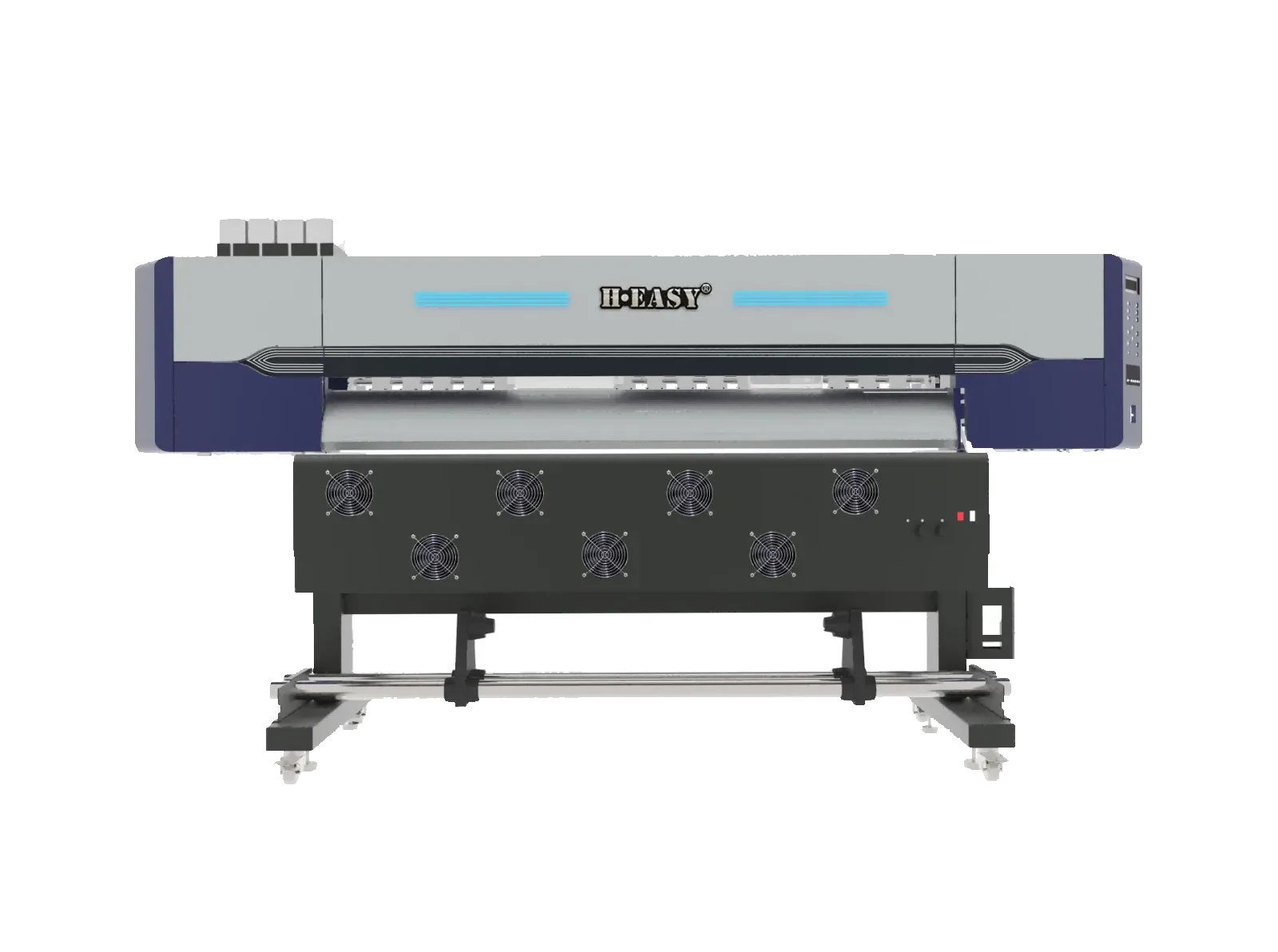
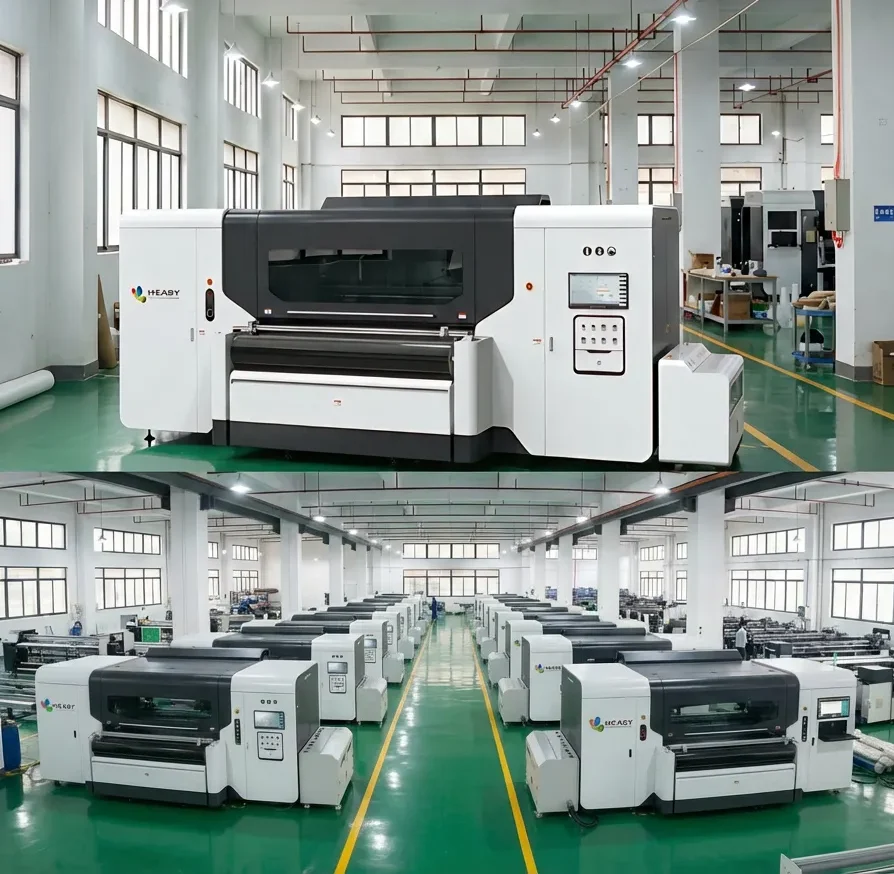
HY-1704 / HY-2004 Sublimation Printers
1.6m / 1.9m sublimation printers, 4 i3200-A1 heads and a 110 m²/h reference at 2-pass - for transfer paper to polyester apparel and soft signage.
- Models
- HY-1704 (1.6 m) · HY-2004 (1.9 m)
- Print width
- 1600 mm (HY-1704) · 1900 mm (HY-2004)
- Printheads
- 4 × Epson i3200-A1 (CMYK)
- Ink
- Sublimation ink (disperse)
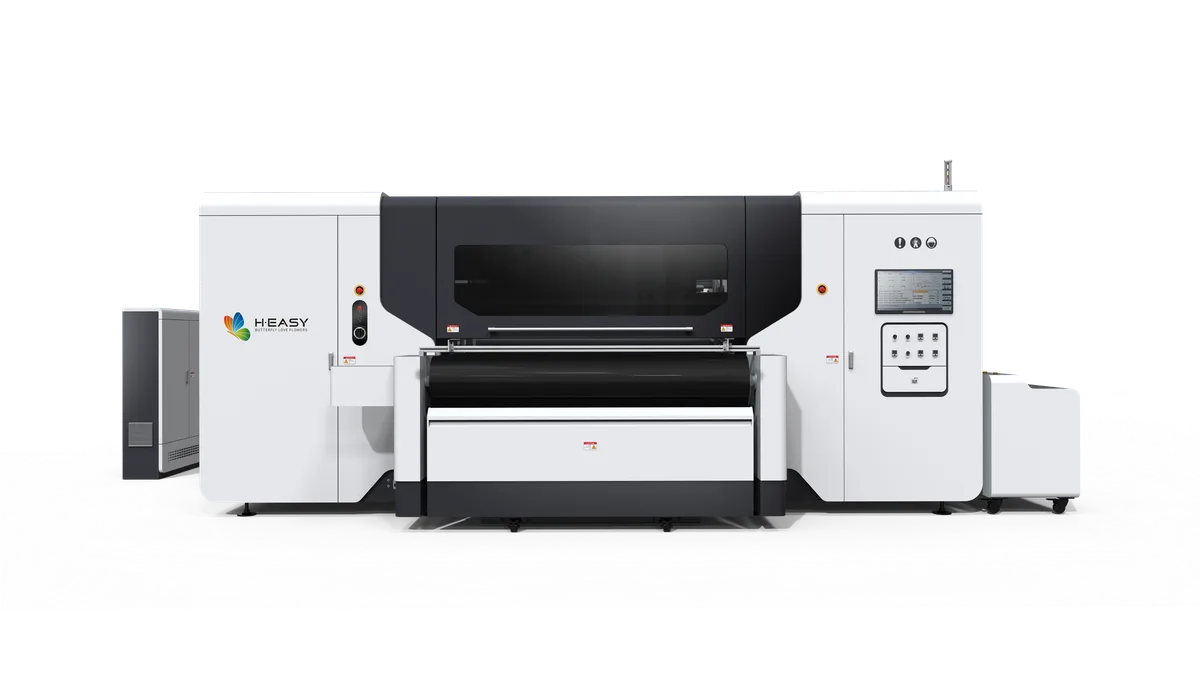
HY-2232
Continuous multi-shift
- Print width
- 2200 mm
- Printheads
- 32 × Ricoh Gen6
- 2-pass reference
- 650 m²/h
- Ink systems
- Reactive / Disperse / Acid / Pigment
Ink route and finishing chain
Start with the material selector, then keep each chemistry on its own published finishing route.
Polyester
- Process
- Sublimation / direct disperse
- Ink options
- Disperse / Sublimation
- Published width range
- 1.6 m / 1.9 m / 2.2 m
Nylon / Spandex
- Process
- Direct disperse / sublimation
- Ink options
- Acid / Disperse
- Published width range
- 1.8 m / 2.2 m
Polyester disperse / sublimation
Heat fixation, no wash
- Heat-set or sublimate
Nylon acid route
Confirm chemistry against the target fabric
- Pad
- Steam
- Wash
- Dry
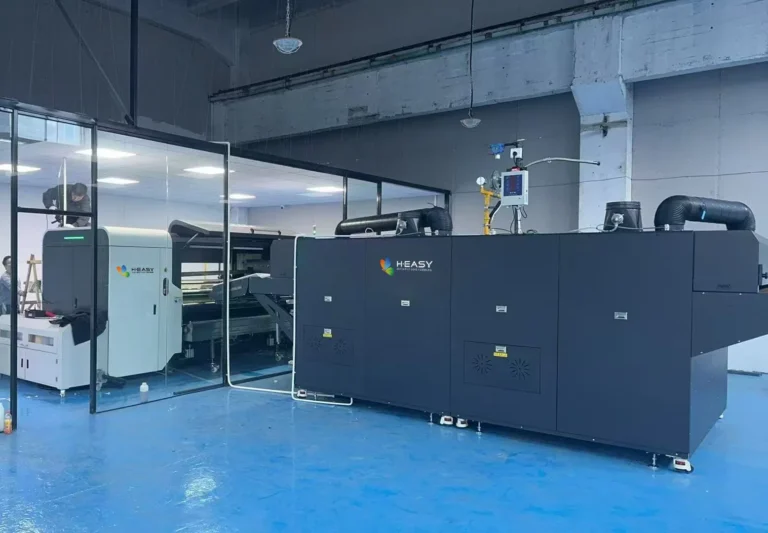
Activewear Mill Penetration
Representative scenario: a sportswear fabric mill upgrades to high-temp direct disperse on the HY-2232 at 2.0 m, ~6,500 m/day, for deeper penetration.
- Machine
- HY-2232 · 2.0 m
- Daily output
- ~6,500 m/day
- Route
- High-temp disperse
This is a representative scenario built from published configuration data, not an independently audited named-customer result.
Review the full scenarioFinished-product applications
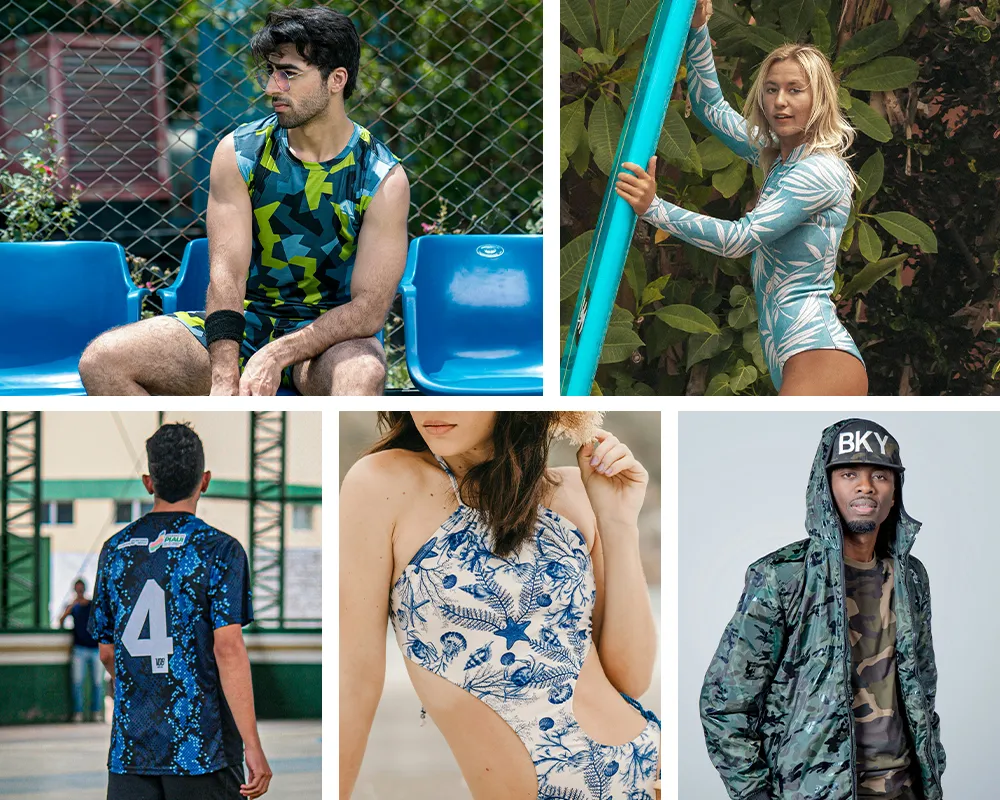
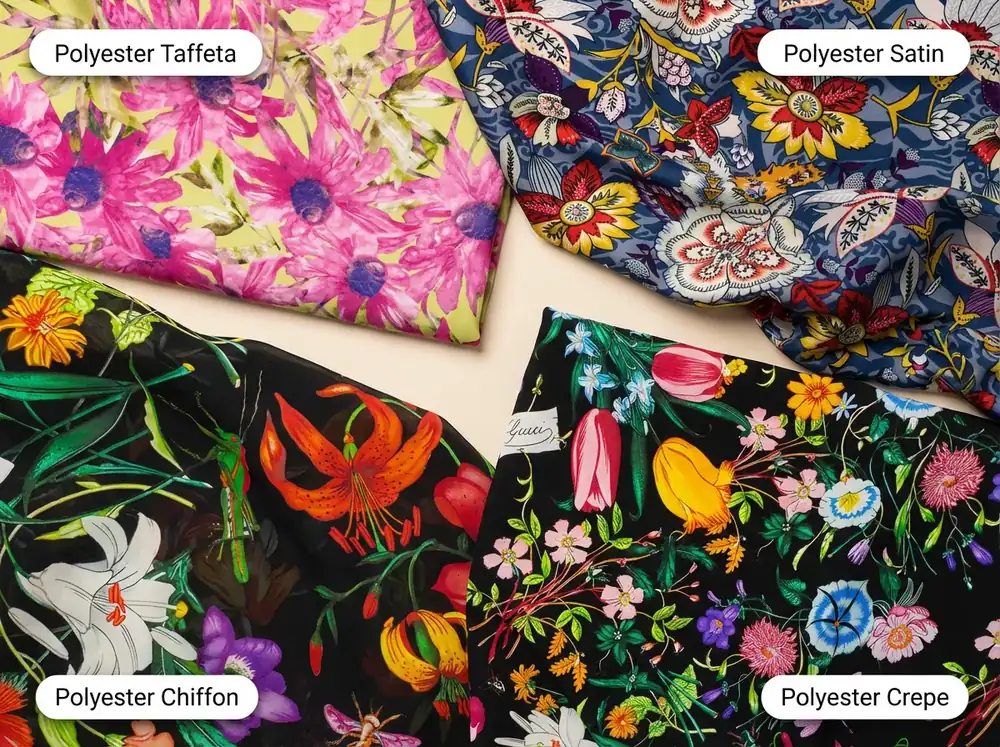
Existing application photography shows the materials and end products this route is intended to qualify.
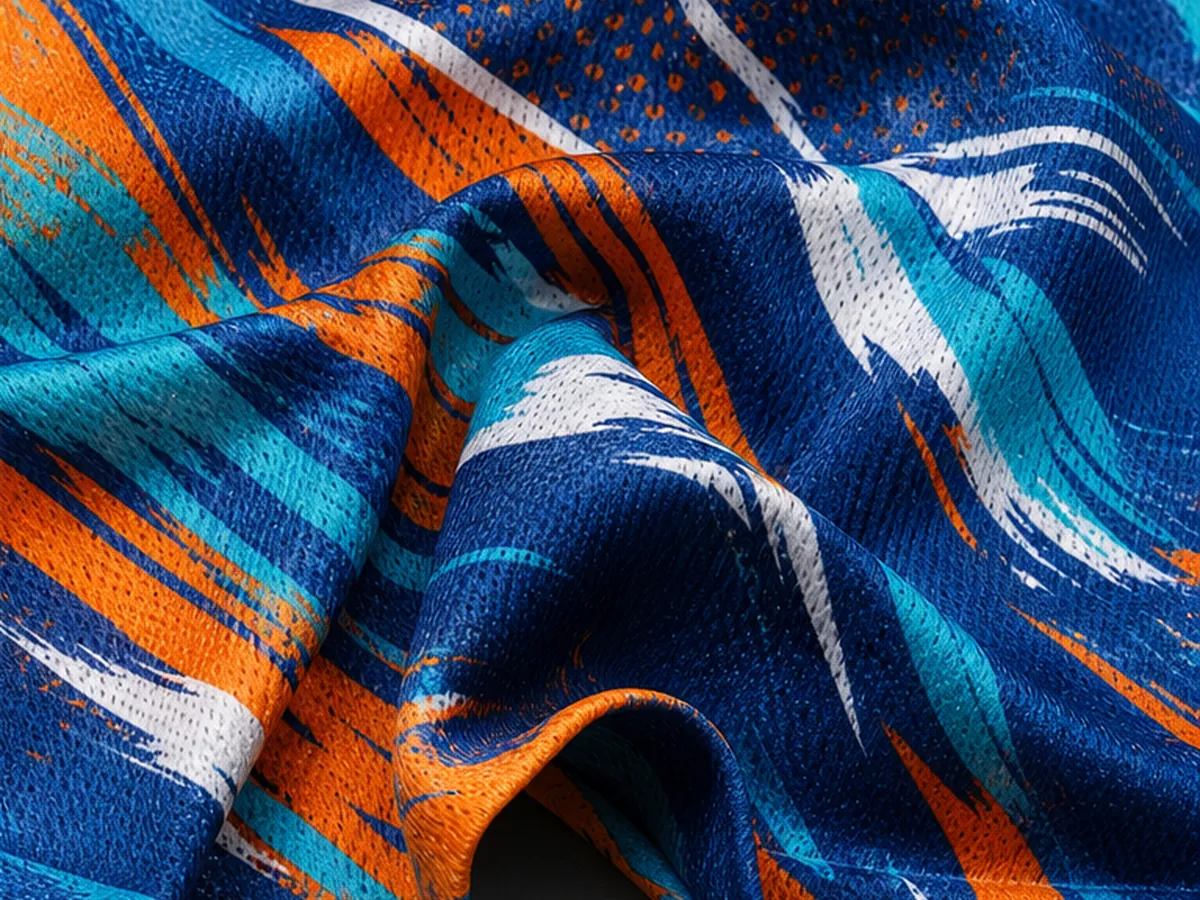 Blank polyesterPrinted polyester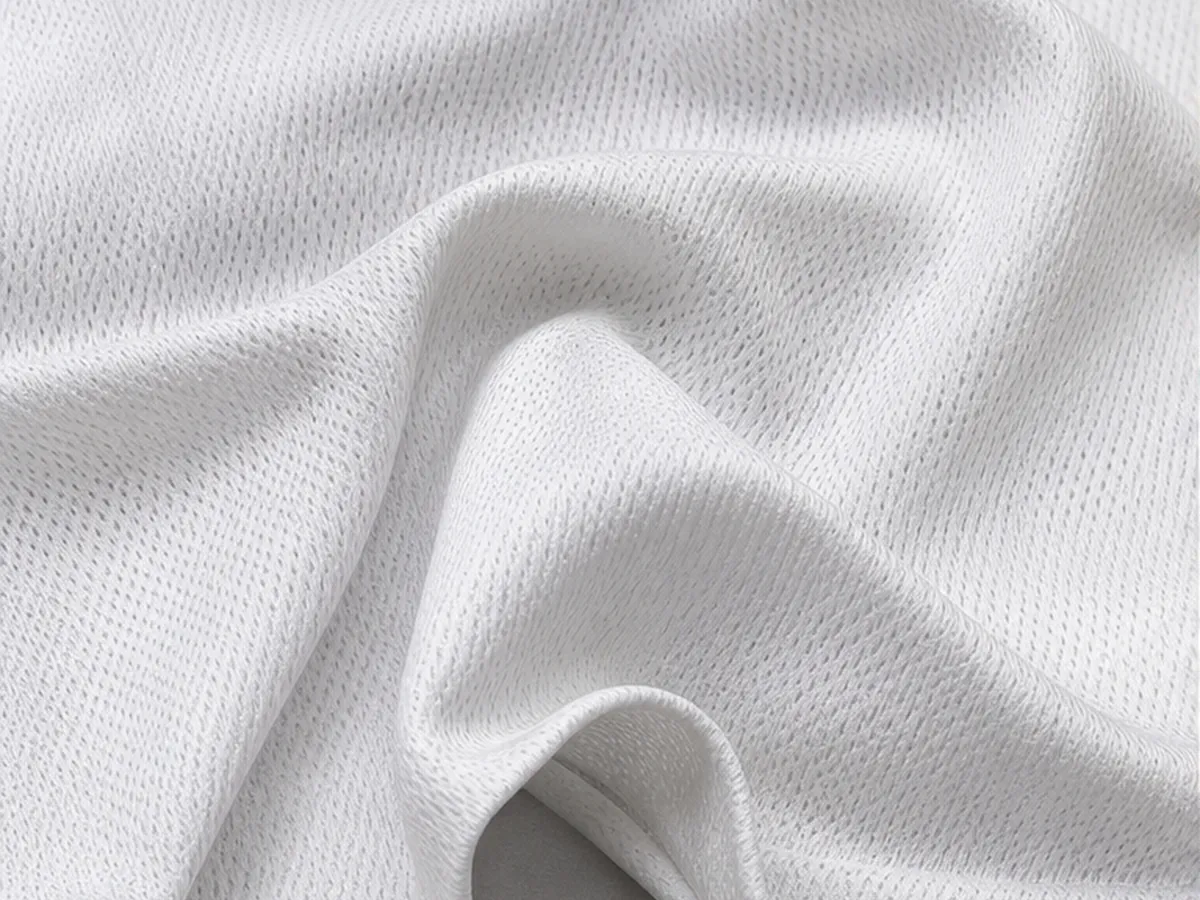

Related production guides
Use the full guides for chemistry, workflow and machine-selection detail before quotation.
How to Choose the Right Fabric Printing Process for Your Textile Material
Choose reactive for cotton/linen/rayon, disperse for polyester, acid for silk/wool/nylon, and qualify pigment for blends or a no-wash workflow.
Read the guide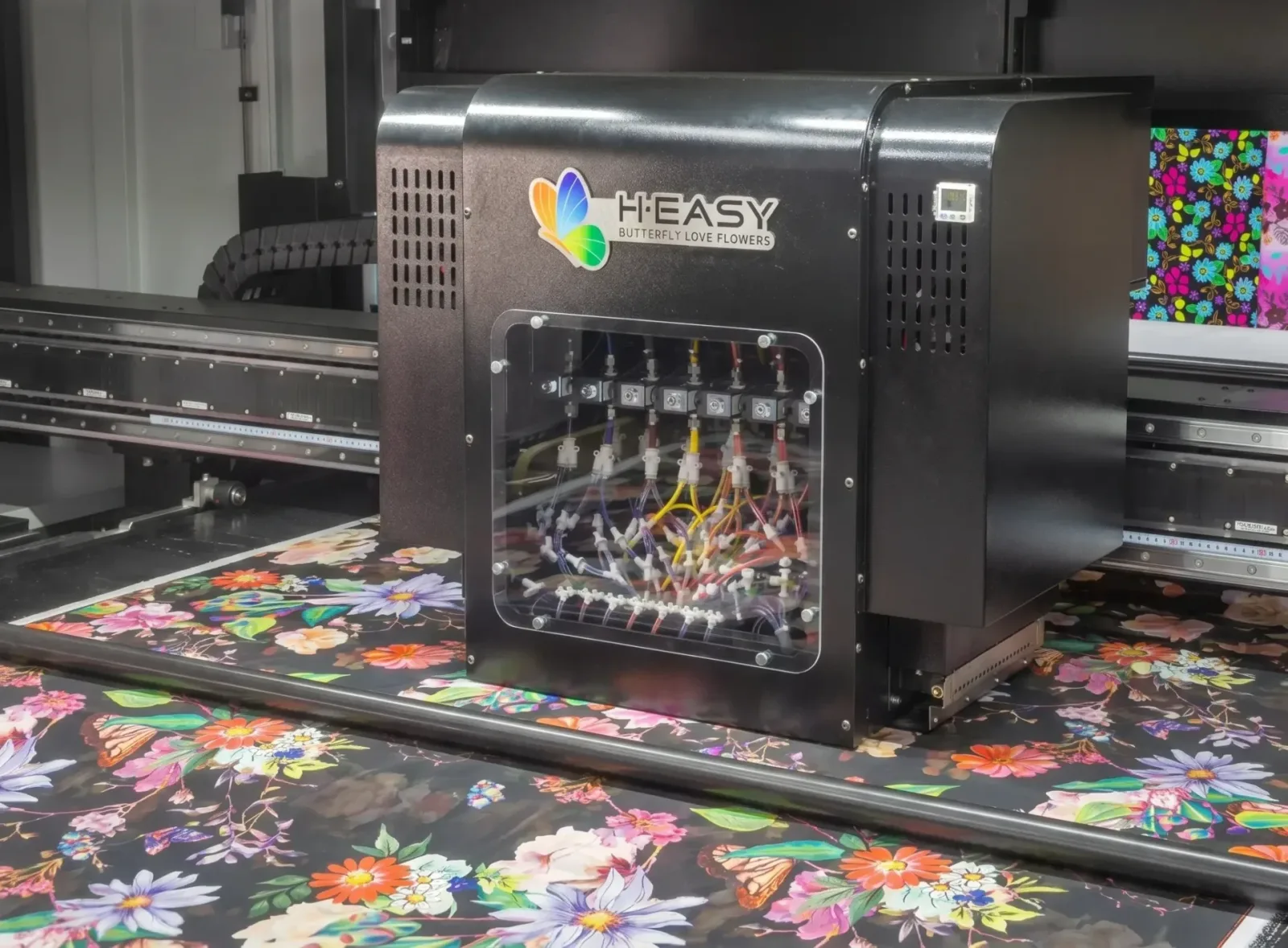
R2R Ink Workflows: Reactive, Pigment and Disperse Printing
Reactive targets cellulose, pigment uses a surface binder across qualified fabrics, and disperse diffuses into polyester. Choose by fabric, process and fastness tests.
Read the guideSublimation vs DTG: How to Choose the Right Garment Printing Method
Sublimation suits polyester with no surface coating; DTG is strongest on cotton and uses matched pretreatment. Qualify the actual fabric, ink and wash target.
Read the guide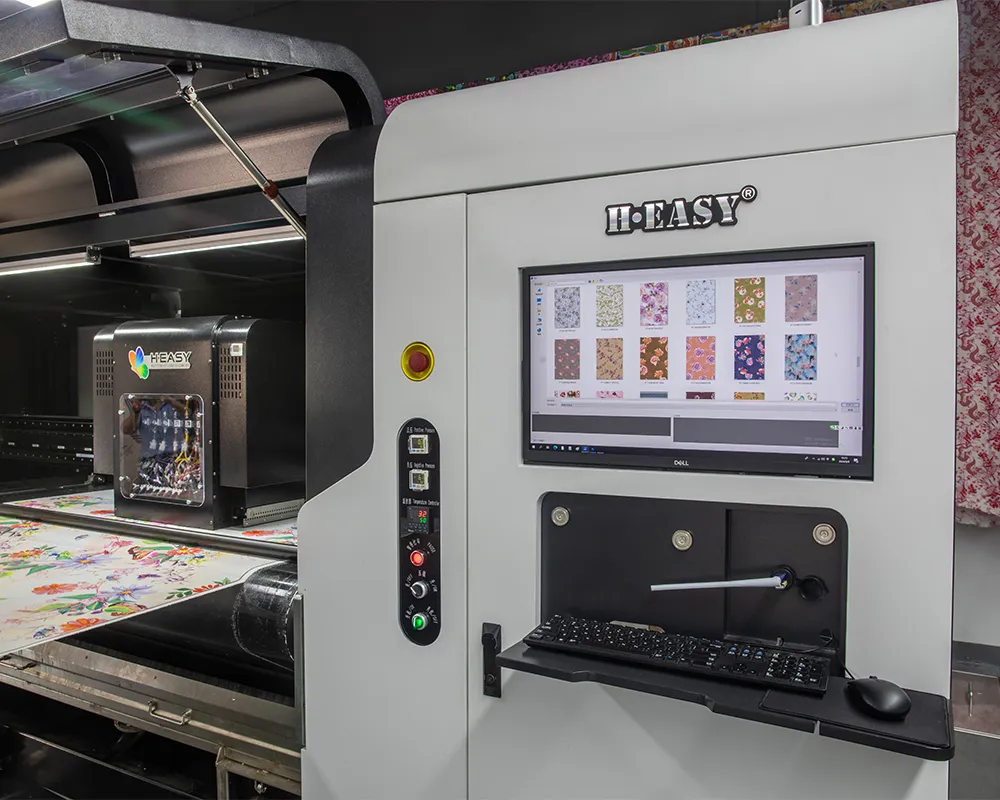
How to Choose the Right Fabric Printing Machine: HY-1808 vs HY-1816 vs HY-2232 vs HY-2632
Compare HY-1808, HY-1816, HY-2232 and HY-2632 by width, heads and qualified output; the 2.2m HY-2232 and 2.6m HY-2632 reach 650 m²/h at 2-pass.
Read the guideSportswear and swimwear questions
Which process is best for polyester sportswear?
Disperse printing or sublimation is the primary published route for polyester sportswear and swimwear. Choose between transfer paper and direct-to-fabric production based on the line and fabric.
When should a factory use acid ink for swimwear?
Acid ink is the fibre-specific route for selected nylon. Disperse is used for polyester and polyester-rich stretch constructions, so the exact fabric must be qualified first.
What finishing does direct-disperse printing require?
Direct-disperse printing requires heat fixation. The published workflows use high-temperature baking or steam fixation, with optional washing depending on the application.
What is the difference between the transfer and direct routes?
The HY-1704 / HY-2004 print onto sublimation transfer paper. The direct route prints disperse ink onto fabric before heat fixation and is selected when penetration is a priority.
Is the sportswear scenario output guaranteed?
No. It is a representative production scenario, and actual throughput depends on fabric construction, fixation method and the mill's acceptance standard.
Qualify this solution on your production job
Send the fabric, target width, output and finishing capability for a configuration review.