Sublimation vs DTG: How to Choose the Right Garment Printing Method
Sublimation is designed for polyester or compatible polymer coatings, with no surface ink layer. DTG is strongest on cotton (or qualified cotton-heavy blends), with rich detail and matched pretreatment for dark fabric. The two processes target different fabric ranges; fibre content is the first decision, followed by production testing.
Printing principles
Sublimation uses solid disperse dye that transforms to gas under heat, enters the polymer and diffuses through amorphous regions inside polyester fibres (or compatible polymer-coated rigid surfaces). The dye is held within the polymer rather than as a surface coating.
DTG uses water-based pigment ink jetted directly onto pretreated fabric. The ink sits on the surface of the fibre, held there by the pretreatment polymer.
Material compatibility
| Method | Best materials |
|---|---|
| Sublimation | Polyester fabrics, polymer-coated hard goods (mugs, phone cases, coasters) |
| DTG | Cotton and qualified cellulose-rich fabrics; light and dark routes use matched pretreatment and curing |
Untreated cotton does not provide the polymer affinity required by sublimation. Some DTG systems support polyester, but migration, color and fastness need separate qualification. Choose by fibre content first.
Durability and color
- Sublimation: can produce vivid colors with smooth gradients. Because the dye is held within polyester, there is no surface image layer to crack or peel; fading still depends on dye, fabric, process and exposure.
- DTG: can produce rich detail and subtle gradients with a soft hand on cotton. Durability depends on pretreatment, curing, fabric and wash method.
For polyester products with a 50+ wash requirement, qualify sublimation against the specified wash method and acceptance limit. For premium cotton products, compare DTG hand and durability with the intended DTF or screen-print route.
Cost and production
| Factor | Sublimation | DTG |
|---|---|---|
| Equipment cost | Include printer plus transfer equipment | Include printer plus pretreat and curing equipment |
| Throughput | Roll or batch transfer workflow | Piece-at-a-time workflow |
| Per-piece cost | Paper, ink, transfer labor and waste | Ink, pretreat, curing labor and waste |
| Best for | Bulk polyester production | Small-batch cotton on demand |
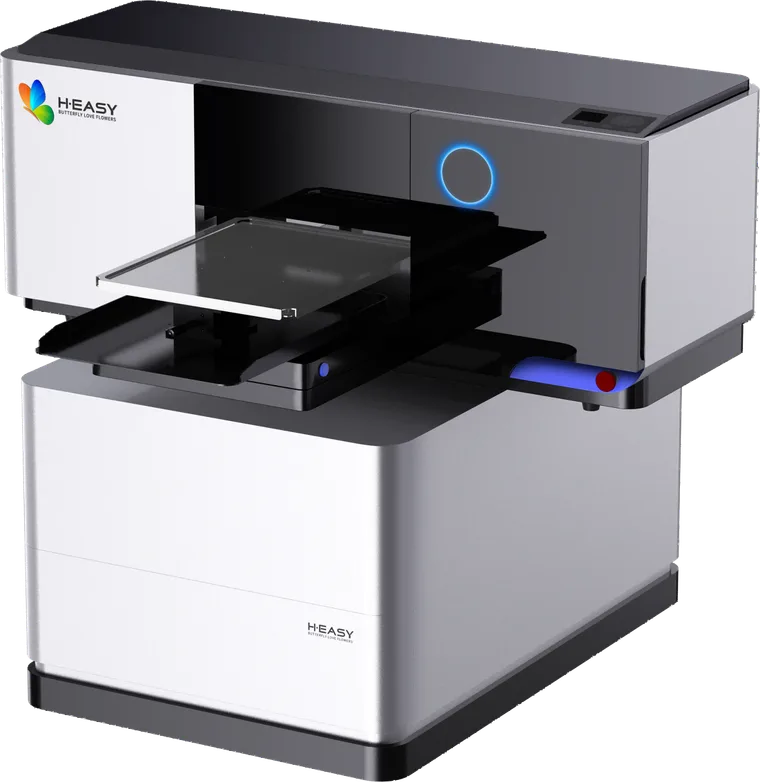
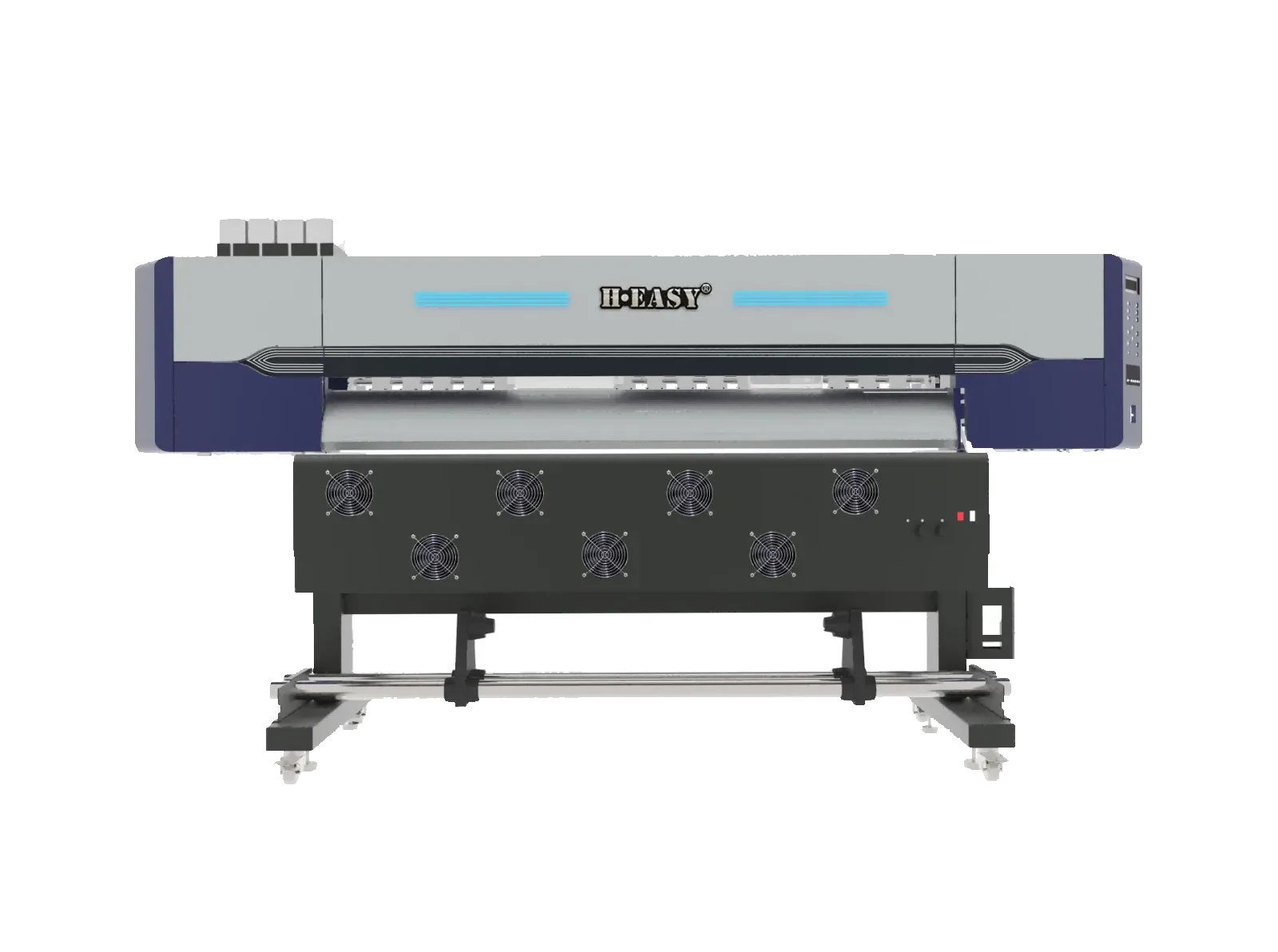
A wide-format sublimation printer like the HY-1704 / HY-2004 prints up to 110 m²/h on a 1.9 m web. That area rate is not directly comparable with finished garments per day. A mid-range DTG like the HY-4050 uses an A2 platen; qualify the complete garment cycle before setting a daily target.
When to choose sublimation
- Polyester apparel - sportswear, swimwear, performance gear, team uniforms
- Polymer-coated rigid substrates - mugs, phone cases, coasters, metal panels, ceramic tiles
- Soft signage and home textiles on polyester
- Bulk runs of the same design - paper transfer batches cheaply
When to choose DTG
- Cotton apparel - premium T-shirts, hoodies, totes
- Small-batch, on-demand custom designs
- Dark fabric with appropriate pretreatment
- High-detail photographic artwork where ink-on-fibre softness matters
Running both
Many garment factories run both - sublimation for polyester sportswear production and DTG for premium cotton work. Order intake routes by fabric:
- Polyester → sublimation line
- Cotton → DTG line
- Cotton/poly blends → DTG (cotton-dominant) or DTF (polyester-dominant)
- Mixed fabric daily orders → add DTF as a third process
See DTG vs DTF profitability for the third-process decision.
Conclusion
Sublimation and DTG cover different primary fabric ranges. A factory serving a broad apparel mix can qualify DTG for cotton and sublimation for polyester, with DTF as another route for mixed-fabric work. Choose by fabric content first, acceptance testing second, and line economics third.
Looking at other routes too? Compare all textile printing technologies by material, method and finishing chain.
Printers matched to this guide