Garment Printing Methods: Screen, DTG, DTF, Sublimation
Choose a garment printing method by the garment fibre, artwork, order mix, required hand feel, and available finishing equipment. Screen printing, DTG, DTF, and sublimation are not interchangeable names for the same process. They put color on or into the garment in different ways, so they create different material limits, preparation steps, failure modes, and production economics.
The fastest way to make a bad choice is to compare machines before defining the job. Start with the garment and the approved result, then select the route that can reproduce it consistently.
Start with the production object
First decide whether the factory is decorating a finished garment or printing fabric that will later be cut and sewn.
- Finished-garment decoration loads a shirt, hoodie, panel, or other item onto a platen or heat press. DTG, DTF, screen printing, and cut-film transfer are common routes.
- Roll-to-roll printing decorates fabric before cutting. It can cover large repeats or all-over artwork, but it adds fabric preparation, feeding, fixation, washing where required, and cut-and-sew planning.
- Piece or panel printing sits between the two. A cut panel can be printed flat before assembly, reducing some seam and platen constraints while still avoiding a full roll workflow.
That distinction matters more than the word “digital.” A digital roll printer and a DTG machine may both use printheads, but they handle different material forms and lead into different finishing operations.
Compare the main garment printing methods
| Method | How the image reaches the garment | Strong production fit | Main controls to validate |
|---|---|---|---|
| Screen printing | Ink is pushed through a stencil directly onto the garment | Repeat artwork, spot colors, established production runs | Screen preparation, registration, ink deposit, flash and final cure |
| DTG | Textile ink is jetted directly onto a prepared garment | Detailed or variable artwork on compatible garments | Garment surface, pretreatment, white underbase, nozzle state, cure |
| DTF | Ink and adhesive are prepared on film, then heat-transferred | Mixed garments, transfer inventory, artwork changes | Film, white ink, powder coverage, cure, press pressure and peel |
| Sublimation | Printed disperse dye transfers under heat into suitable polymer | Polyester sportswear, panels, and all-over cut-and-sew work | Fibre content, base color, transfer paper, heat, migration and ghosting |
| Cut-film transfer | A colored film is cut, weeded, and heat-applied | Names, numbers, simple logos, specialty finishes | Film compatibility, cut depth, weedability, press and edge adhesion |
| Roll-to-roll textile printing | Ink is printed onto fabric before cutting and sewing | Repeats, large coverage, coordinated fabric production | Ink-to-fibre route, pretreatment, feed, fixation, washing and finishing |
This is a routing table, not a quality ranking. Any method can fail when its preparation, deposition, transfer, cure, or finishing stage is uncontrolled.
Screen printing: direct ink with a repeatable stencil
Screen printing uses a stencil to define where ink passes onto the garment. Each printed separation must register with the others, so the factory prepares screens, controls the ink deposit, holds the garment in position, and manages intermediate and final curing.
Its strength is a stable, repeatable setup. Once the screen set, ink system, garment position, and cure are approved, the same artwork can be reproduced without rasterizing every garment through an inkjet workflow. Specialty inks and effects may also be available within a qualified screen system.
Its constraint is setup. Artwork changes can require new separations and screens, while multicolor registration and curing need process discipline. Judge screen printing on the complete job: design stability, number of garment positions, ink system, required feel, cure capacity, and changeover load.
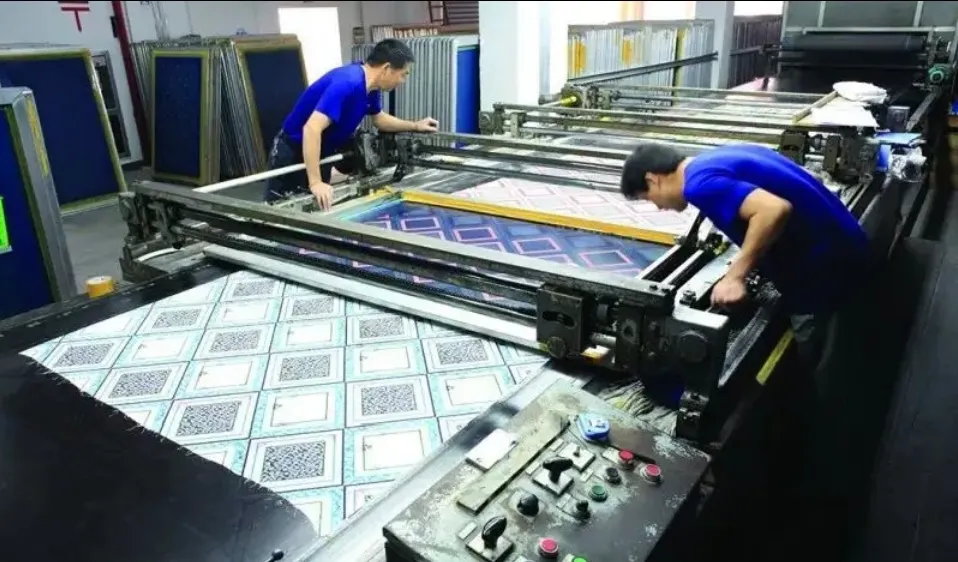
For a focused comparison of the transfer and stencil routes, see DTF versus screen printing.
DTG: print directly onto the prepared garment
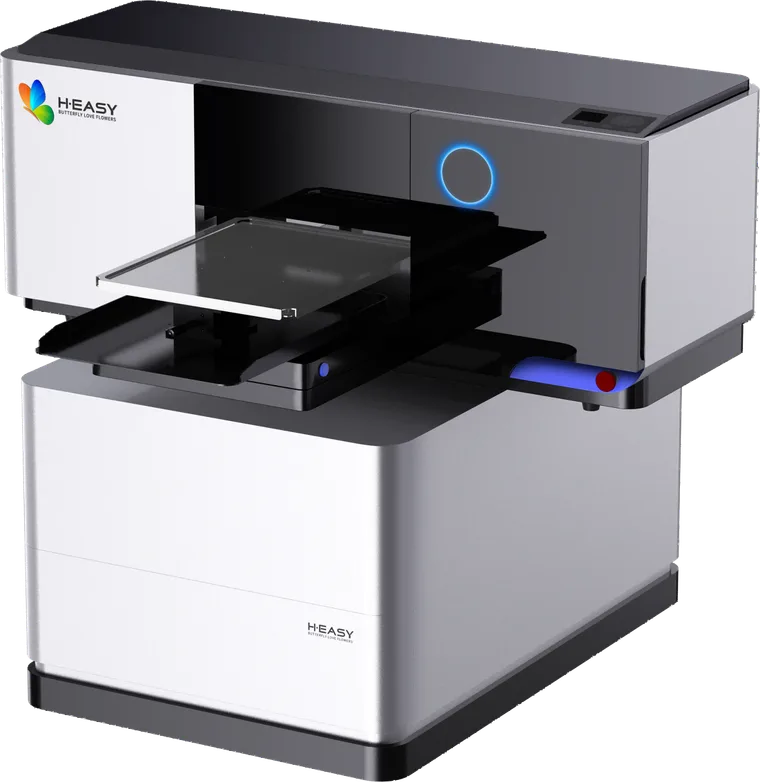
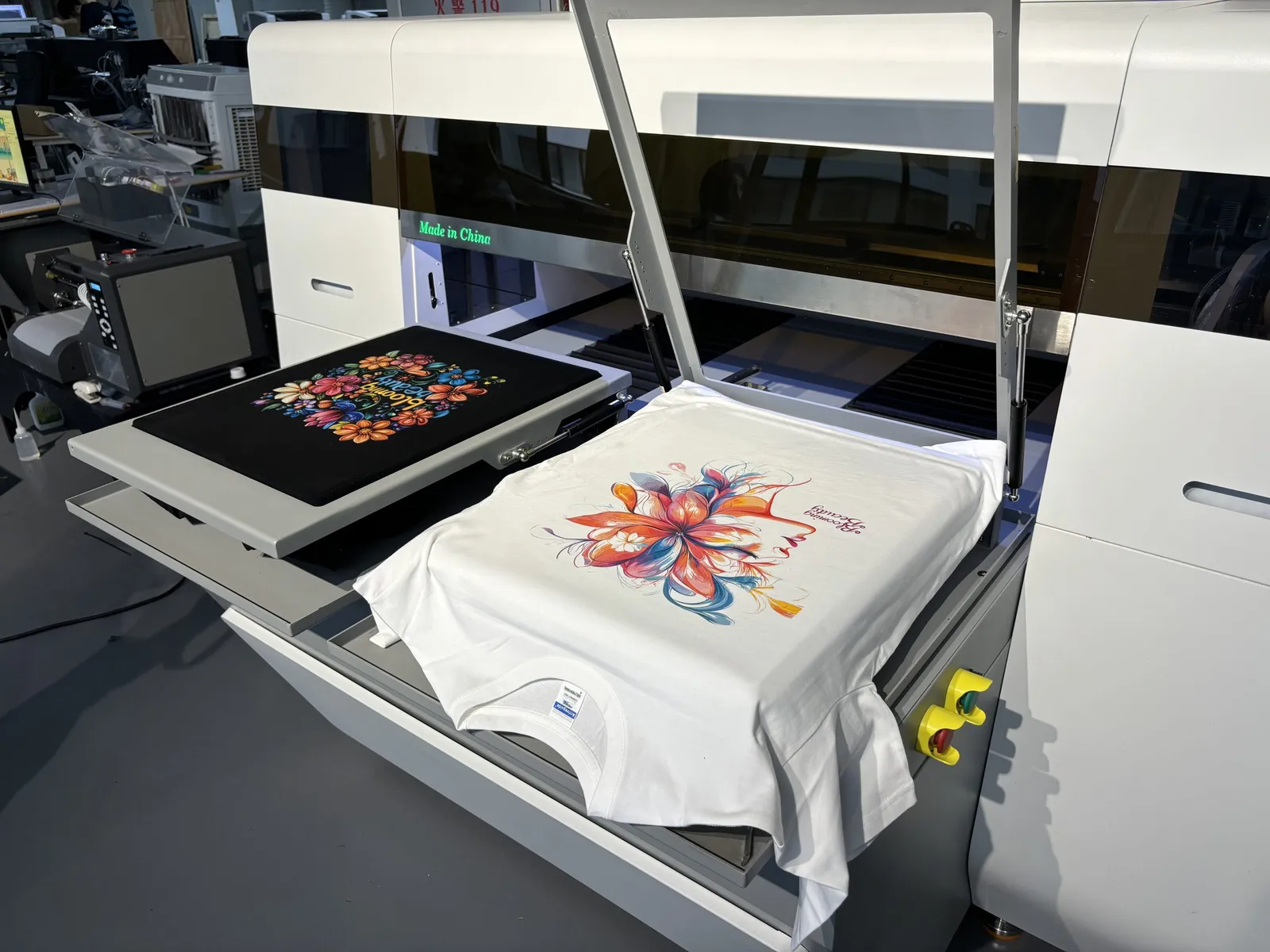
DTG places textile ink directly on a garment held flat on a platen. It is a useful route for detailed artwork and jobs where each garment can carry a different file, but “direct” does not mean preparation-free.
The production chain can include garment inspection, lint control, pretreatment, loading, height or platen checks, a white underbase for dark garments, color printing, unloading, and controlled curing. A smooth printable surface and uniform pretreatment help keep fine detail and color consistent.
DTG is therefore a garment-system decision, not only a printer decision. Confirm the actual fibre blend, knit surface, dyes, finishes, seams, pockets, and care requirements. A shirt that looks similar to an approved blank may react differently during pretreatment or heat curing.
The DTG production guide explains the surrounding workflow, and the current DTG platform is the relevant equipment path.
DTF: prepare a transfer before pressing it
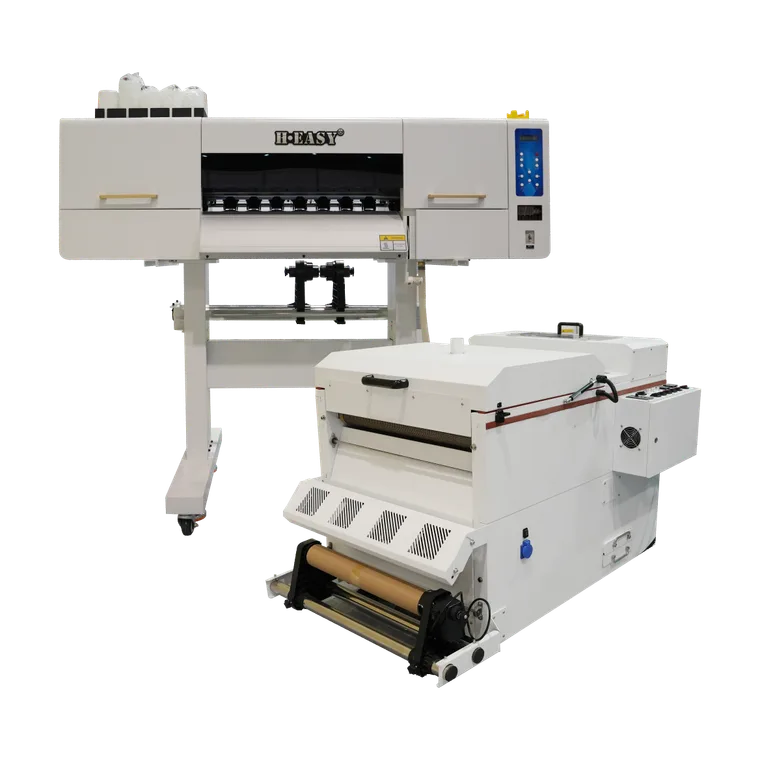
DTF separates image preparation from garment decoration. The image is printed onto film, combined with an adhesive powder, cured into a ready transfer, and then applied with heat and pressure.
This separation can help a shop serve different garment shapes or prepare transfers ahead of pressing. It also creates more control points: film release, ink laydown, white-ink condition, powder coverage, cure, storage, press temperature, time, pressure, peel behavior, and final finishing.
The print has a transfer layer, so approve its hand, stretch response, edge behavior, and appearance on the actual garment. Do not assume that one press recipe fits every textile or that adhesion immediately after pressing predicts care performance.
For the complete sequence, use the DTF process guide. The production DTF platform is the corresponding equipment route.
Sublimation: match disperse dye to suitable polyester
Sublimation first prints disperse dye onto transfer paper and then uses heat to move that dye into a suitable polyester or polymer surface. Because the color is associated with the polymer rather than a separate opaque surface layer, the base material and base color remain fundamental.
The route is especially relevant to polyester sportswear, panels, and cut-and-sew products. Light-colored fabric gives the translucent dye a usable base. Dark garments, uncertain fibre content, low-polyester blends, coatings, and dye-migration risk require testing or a different process.
Control paper handling, image mirroring, heat uniformity, pressure, timing, fabric movement, ghosting, and color after cooling. For all-over work, also plan how the printed fabric or panels align across seams.
See sublimation versus DTG for the fibre-based decision and the sublimation printer range for the transfer-paper equipment path.
Cut film, transfers, and hand processes still have a place
Cut-film heat transfer can be efficient for simple names, numbers, logos, or effects available in a qualified film. The trade-off is the cutting and weeding work, plus the need to approve edge adhesion and feel. Screen-printed transfers and other supplied transfer systems add their own storage and press requirements.
Tie-dye, batik, hand painting, and other resist or manual methods are better treated as distinct craft and design systems. Their controlled variation can be the desired result, but they should not be evaluated with the same repeatability assumptions as a standardized digital production line.
UV-curable printing and gravure also need careful classification. A rigid or specialty UV ink system is not automatically suitable for a flexible, washable garment. Gravure is normally considered as a continuous industrial substrate process, not a default way to decorate a finished shirt. A list of printing technologies should not turn either one into a garment recommendation without an application-specific ink, substrate, cure, and care validation.
When all-over coverage changes the answer
A finished garment has seams, collars, sleeves, ribbing, zippers, and changes in height. Those features make edge-to-edge direct decoration difficult. If the artwork must continue across the whole product, printing roll fabric or flat panels before sewing may be the more controllable route.
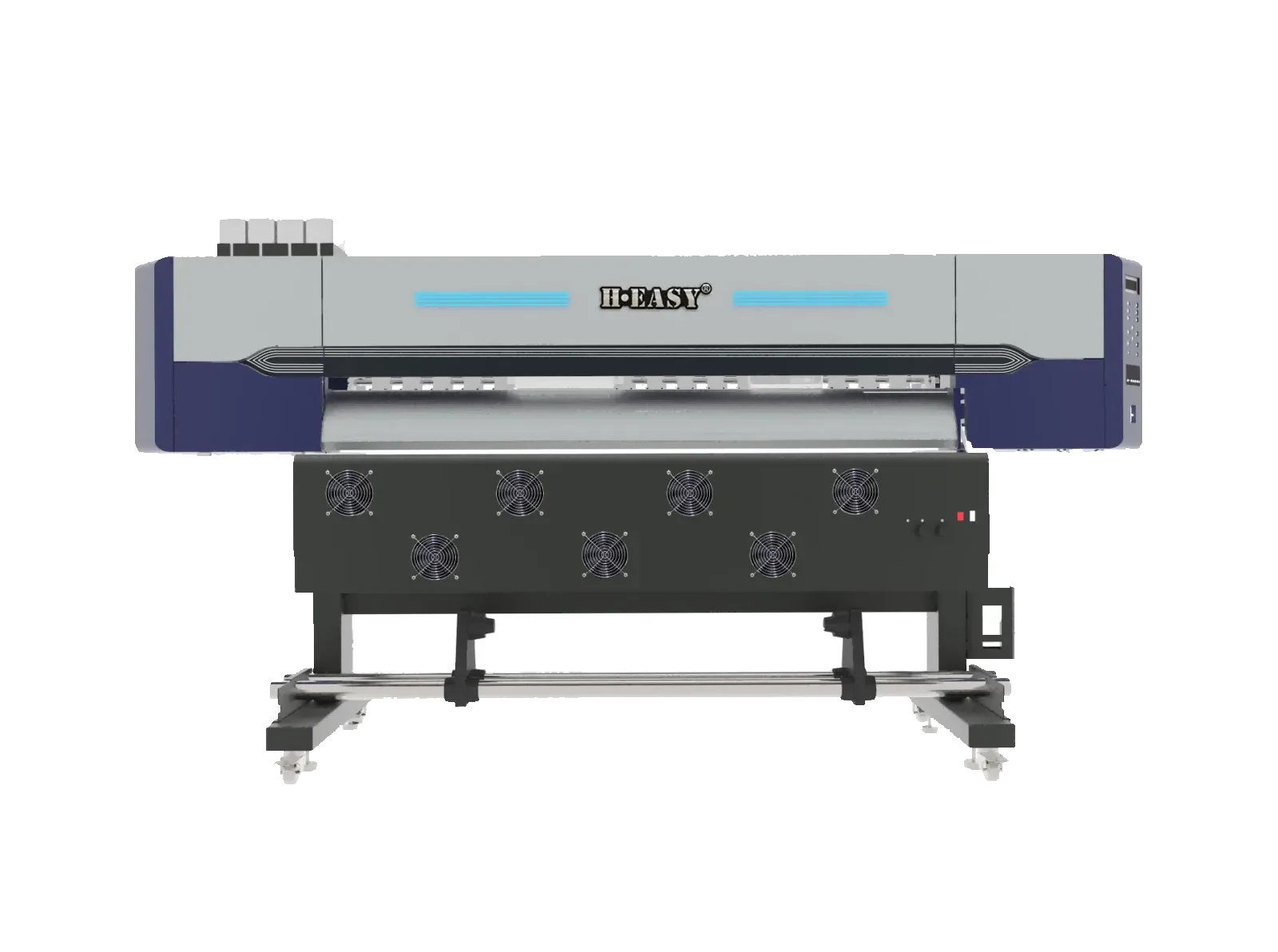
Roll-to-roll selection begins with fibre and ink chemistry, then adds pretreatment, fabric transport, fixation, washing where required, drying, and finishing. The fabric printing process guide maps that route by material.
Select by constraints, not slogans
Use the following order before comparing equipment:
- Garment form: finished garment, cut panel, or roll fabric.
- Fibre and finish: actual composition, surface, dyes, coatings, and heat sensitivity.
- Artwork: spot colors or process color, fine detail, gradients, coverage, personalization, and seam continuity.
- Approved feel: direct ink, transfer layer, specialty texture, or no-feel dyed fibre.
- Order mix: repeated artwork, frequent changes, single pieces, or staged transfer inventory.
- Factory route: pretreatment, drying, powder handling, heat pressing, curing, washing, ventilation, and operator access.
- Acceptance test: color, opacity, detail, registration, feel, distortion, adhesion, staining, and the buyer’s required care sequence.
Avoid choosing on a sample printed on an unknown blank. Request the production garment, keep the artwork constant, and run each candidate method through its full finishing route. A fair trial records the garment lot, consumables, settings, press or cure state, inspection light, and result after care.
Build a routing rule for repeat orders
After approval, turn the choice into a job-routing rule. Record which garment families, colors, artwork types, and finish expectations belong to each process. Keep the approved sample and rejected examples so operators can see the boundary.
When a repeat order changes blank supplier, fibre blend, garment color, surface finish, artwork coverage, or care requirement, reopen the relevant part of the validation. The method name has not changed, but the production system has.
Use the contact form to share the garment composition, photos of seams and printable areas, artwork, expected feel, order mix, and required care test. That information is enough to compare a DTG, DTF, sublimation, screen, or cut-and-sew route without relying on generic claims about which method is “best.”
Printers matched to this guide