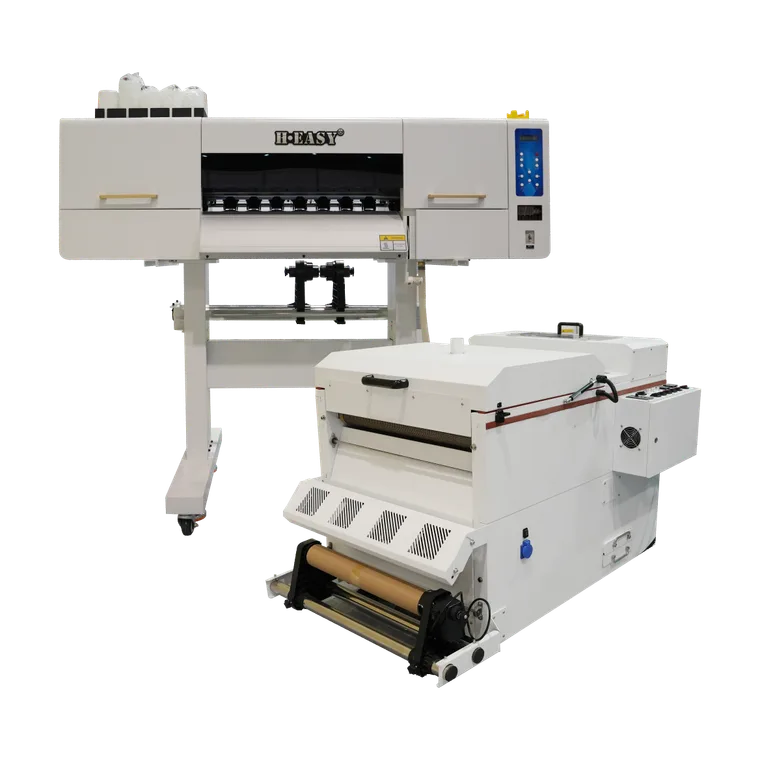
Autumn and Winter Apparel Orders Are Changing: Printing Factories Need to Adjust Production in Advance
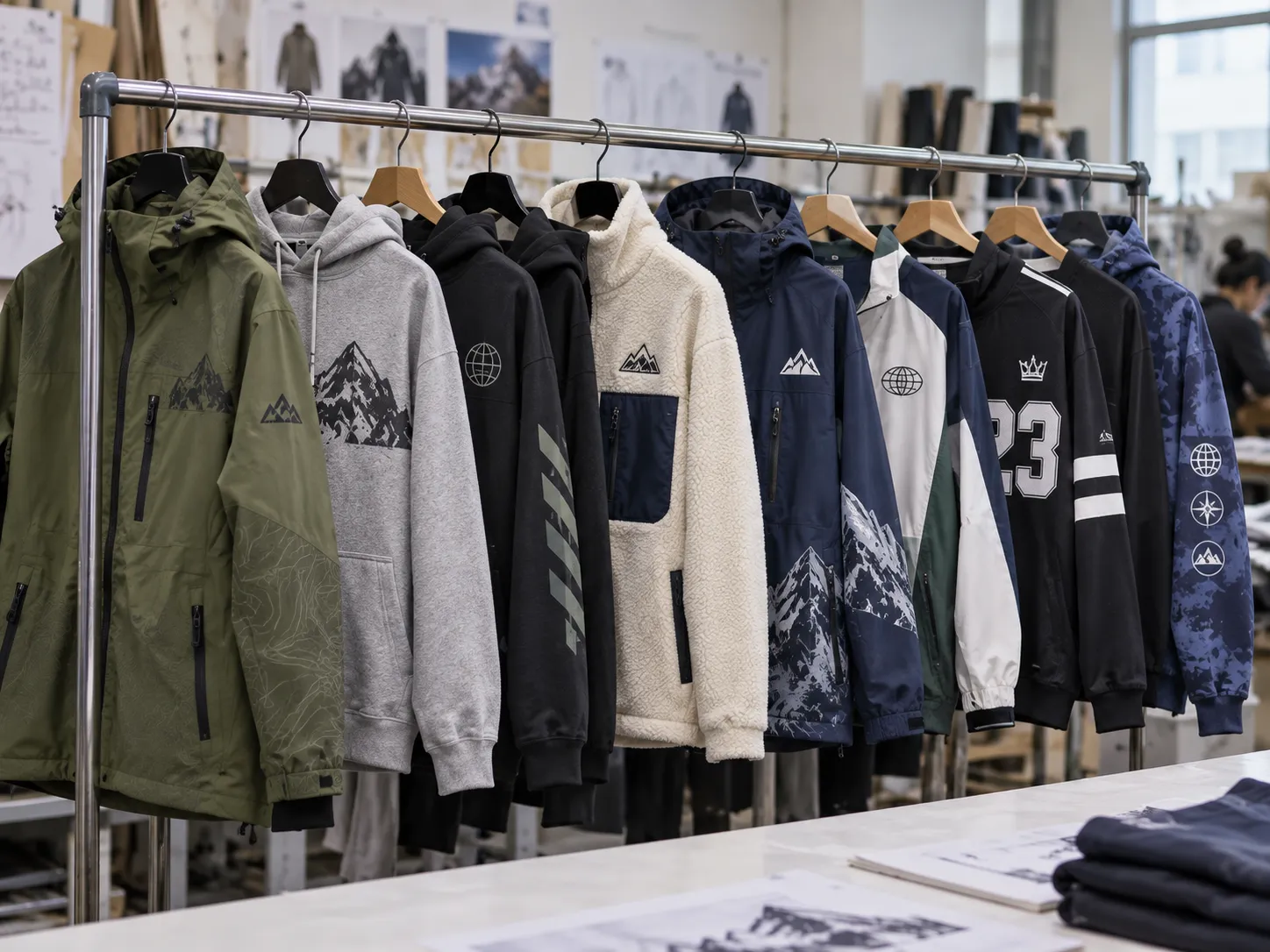
For garment printing factories, seasonal changes affect more than order volume.
Spring and summer demand is often dominated by T-shirts, polo shirts and lightweight apparel. As autumn and winter approach, the product mix shifts toward hoodies, sweatshirts, sports jackets, outdoor apparel, fleece products and functional garments.
This means changes not only in the products being printed, but also in fabric structure, printing requirements, order size and delivery expectations.
At the same time, apparel orders are becoming more diversified:
- smaller batches;
- more styles;
- more fabric types;
- faster sampling;
- quicker replenishment;
- more customization.
For printing factories, preparing for autumn and winter is therefore not only about adding more production capacity. It is about building a production system that can respond to a wider range of products and order structures.
Quick Answer: What Should Printing Factories Adjust for Autumn and Winter Orders?
| Market Change | Impact on Printing Factories | Recommended Adjustment |
|---|---|---|
| More hoodies and outerwear | Thicker and more varied fabrics | Test fabrics and processes in advance |
| More small-batch orders | Traditional screen setup becomes less efficient | Add digital printing capacity such as DTF or DTG |
| More sportswear | Higher proportion of polyester and functional fabrics | Prepare sublimation production capacity |
| More styles per order | More frequent artwork changes | Build a digital file and quick-change workflow |
| Faster replenishment | Shorter delivery windows | Improve sampling, color approval and production handoff |
| More complex fabric mix | One process cannot cover every order | Build a multi-process printing system |
1. Autumn and Winter Apparel Bring Different Printing Requirements
In the past, many printing factories viewed seasonal change mainly as a difference between peak season and low season.
But from a production perspective, what really changes is the product structure.
Spring and summer products are usually lighter, with a high proportion of T-shirts, polo shirts and lightweight sportswear.
In autumn and winter, demand shifts toward products such as:
- hoodies;
- sweatshirts;
- sports jackets;
- outdoor apparel;
- functional garments;
- fleece products;
- customized teamwear.
These products use different fabrics and require different printing approaches.
For example, cotton hoodies may place more emphasis on print hand feel and wearing comfort. Polyester sportswear may require strong color performance, wash durability and large-area graphics. E-commerce orders often demand small quantities, rapid product development and fast replenishment.
So when autumn and winter orders increase, factories are not simply dealing with “more orders.” They are dealing with more complicated orders.
2. Small-Batch and Multi-Style Orders Are Changing the Production Logic
Traditional garment printing is often built around large-volume production.
Once a screen is prepared for one design, factories can continue printing large quantities and spread the setup cost across the order.
But more brands, e-commerce sellers and garment suppliers are now using a different model:
Test with a small batch → Evaluate market response → Reorder quickly if the product sells
This means one order may contain only dozens or hundreds of pieces, while also involving multiple designs, colors and fabric types.
As a result, printing factories need to answer different questions.
- How quickly can we change to a new design?
- Is it economical to produce only a few dozen pieces?
- Can we switch between different fabrics quickly?
- How fast can a sample move into production?
- Can we reproduce the same color and design when the customer reorders?
This is where digital printing becomes particularly valuable. Digital files can move directly into production without traditional screen preparation for every new design, making digital printing more suitable for frequent design changes and fast-turn garment orders.
3. Different Autumn and Winter Garments Require Different Printing Processes
As the product mix becomes more diverse, it becomes less practical to rely on a single printing process.
Printing factories should select garment printing methods according to: Fabric + Product + Order Structure.
DTG: Suitable for Premium Cotton Garment Printing
For cotton T-shirts, hoodies and other cotton garments, DTG - Direct to Garment printing - can print artwork directly onto the garment surface.
It is particularly suitable for:
- cotton garments;
- premium branded apparel;
- small-batch customization;
- complex full-color artwork;
- personalized garments;
- print-on-demand production.
DTG does not require traditional screen-making, making it useful for products with frequent design changes. For brands, small garment factories and POD businesses, the main value of DTG is flexibility rather than maximum output alone.
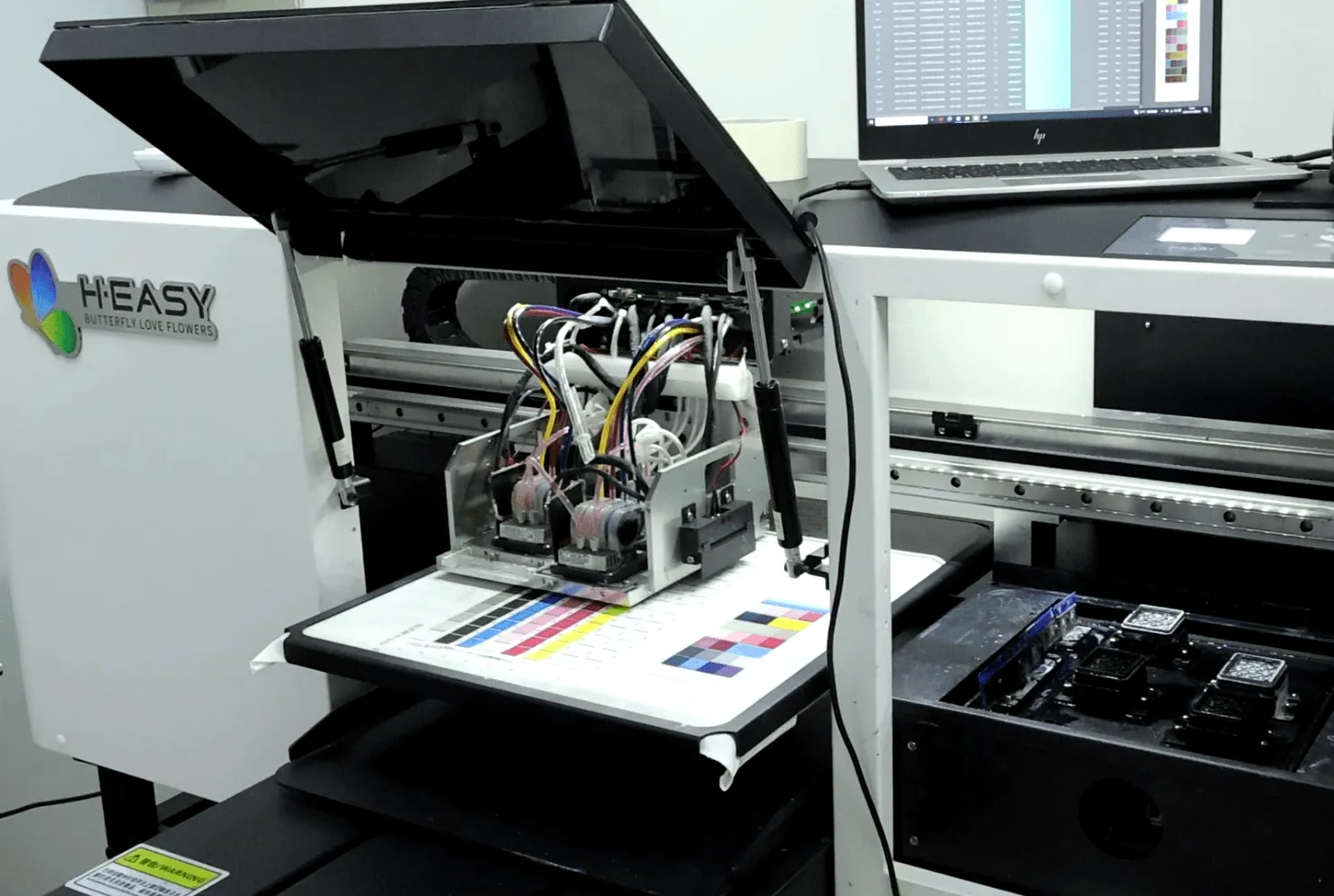
DTF: Flexible for Multiple Fabrics and Multiple Styles
If a factory needs to handle cotton, polyester and blended fabrics within the same production environment, DTF offers greater flexibility.
DTF prints the design onto PET film first and then transfers it to the garment by heat pressing.
It can be used for products such as:
- T-shirts;
- hoodies;
- polo shirts;
- sportswear;
- workwear;
- canvas bags;
- team apparel;
- customized garments.
For autumn and winter orders, one important advantage of DTF is that the same production system can support a wider variety of garment types. When daily order quantities are relatively small but SKU counts are high, this flexibility can be more important than simply maximizing machine speed.
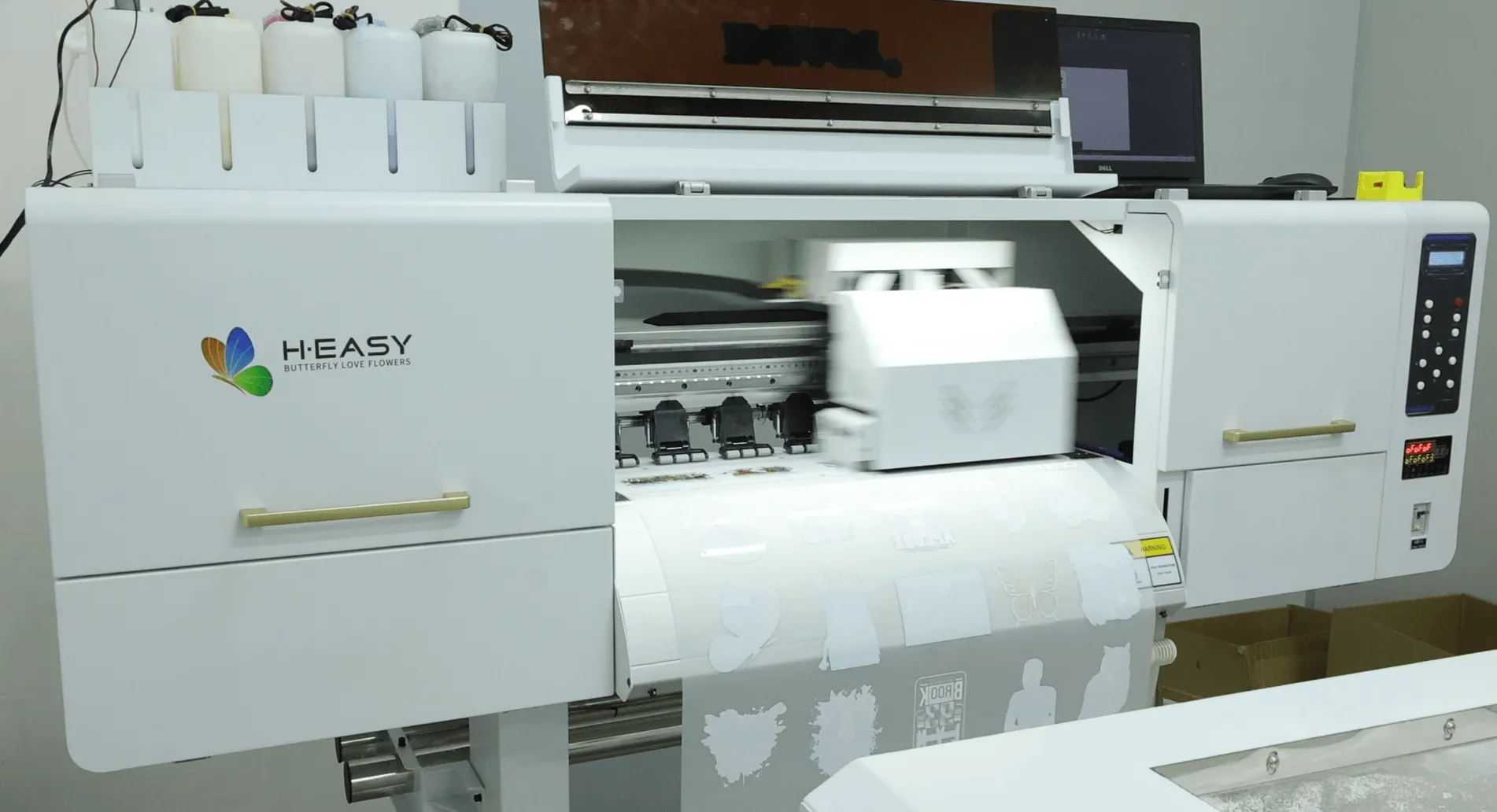
4. Sublimation Remains Important for Polyester Sportswear and Functional Apparel
Autumn and winter markets also include large volumes of sportswear, training wear, outdoor clothing and functional garments made from polyester and related fabrics.
For these products, sublimation remains an important production process.
It is particularly suitable for:
- polyester sportswear;
- teamwear;
- cycling wear;
- outdoor apparel;
- training wear;
- performance clothing.
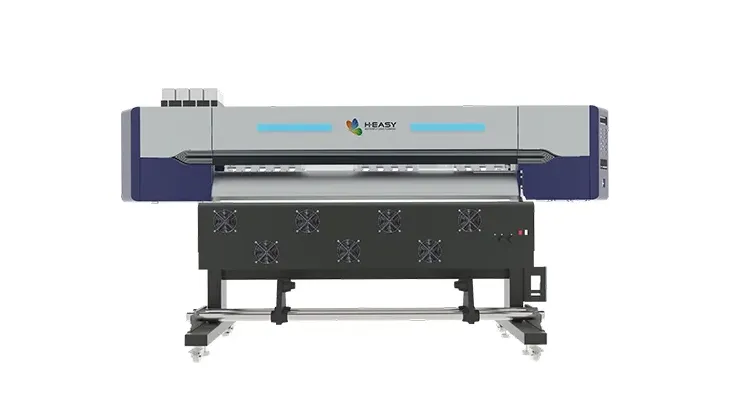
Sublimation transfers color into polyester fibers, helping achieve strong color performance and wash durability on suitable materials.
It is also well suited to large-area and all-over graphics, including team uniforms, sports sets, gradient designs and complex patterns.
If a printing factory serves sportswear, outdoor apparel or teamwear customers, it should evaluate whether its sublimation capacity is sufficient before autumn and winter demand increases.
5. Roll-to-Roll Fabric Orders May Require Digital Textile Printing
Some printing factories are not printing finished garments. They are printing fabric rolls that will later be cut and sewn.
In this case, the production route changes again.
Depending on fiber type and final requirements, factories may consider:
- pigment direct printing;
- reactive direct printing;
- disperse direct printing;
- other digital processes matched to the fabric.
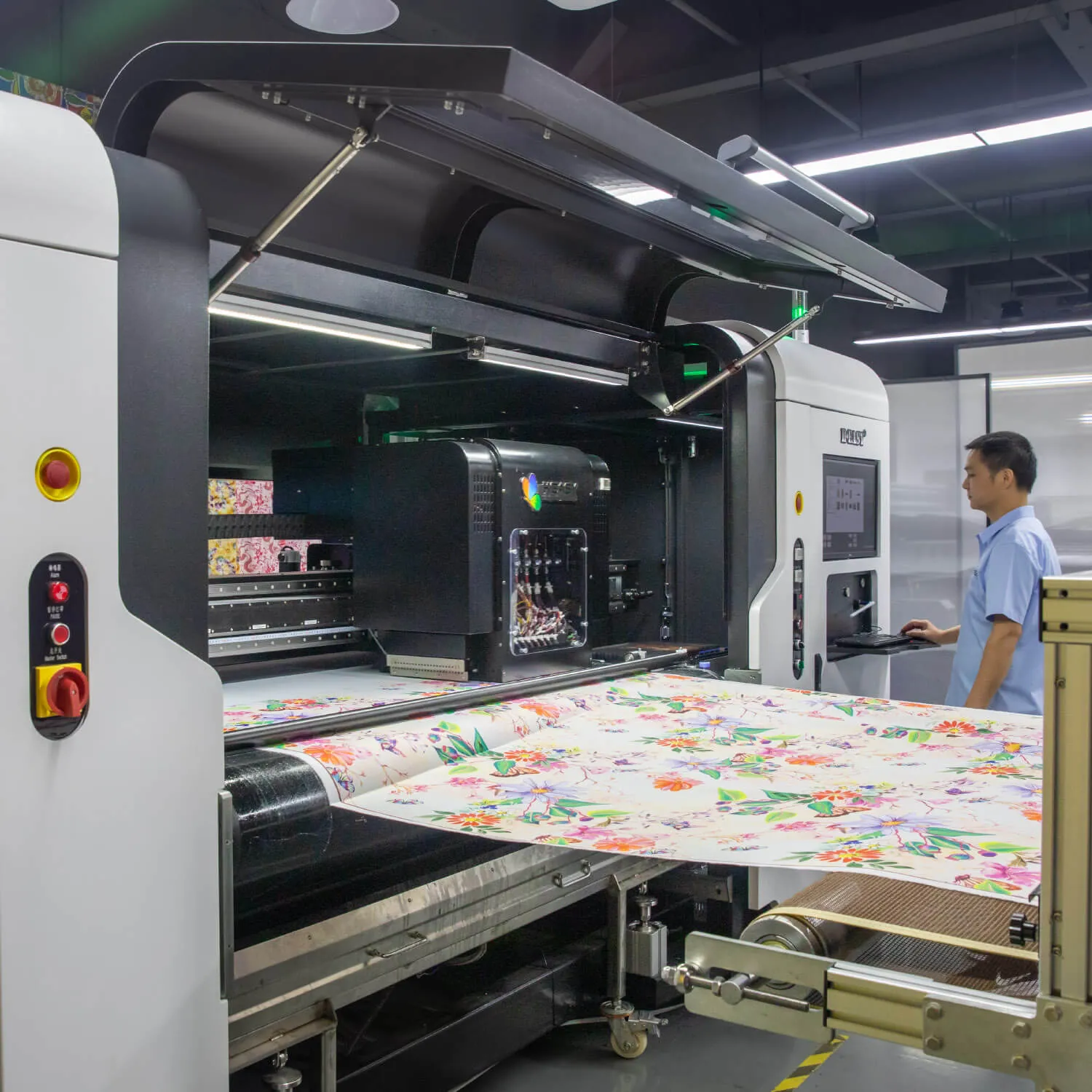
Cotton and Cellulosic Fabrics
If the priority is vivid color, soft hand feel and premium quality, reactive direct printing may be suitable depending on the product requirements.
Blended and Multi-Fiber Fabrics
If the factory needs broader fabric compatibility and a relatively simplified process, pigment direct printing may be worth evaluating.
Polyester Fabrics
For polyester rolls and some functional materials, disperse direct printing or sublimation may be more appropriate.
A mature digital printing factory therefore does not simply “buy one type of machine.” It builds the right process combination around its customers and fabric structure.
6. Seasonal Orders Test a Factory’s Fast-Response Capability
When factories expand production capacity, machine speed is often the first metric they consider.
Speed matters.
But in small-batch and multi-style production, lead time is determined by much more than printing speed.
From receiving artwork to shipping the final product, the digital textile sampling workflow and production stages may include:
Artwork → Sample → Color Test → Fabric Test → Confirmation → Production → Finishing → Delivery
A delay at any stage can extend delivery time.
For example, the same design may produce different color results on cotton, polyester and blended fabrics. Even within the same fiber category, differences in fabric weight, weave, surface treatment and pretreatment can affect the final output.
That is why factories preparing for autumn and winter should build:
- common fabric databases;
- standard color parameters;
- process test records;
- historical customer order files;
- standardized sampling procedures;
- preventive maintenance plans;
- stock of frequently used consumables.
These preparations reduce repeated testing when high-volume seasonal orders arrive.
7. In Small-Batch Production, Stability Can Matter More Than Maximum Speed
A machine may have a high theoretical speed, but that does not mean the same speed can be achieved every day in effective production.
For fast-turn autumn and winter orders, stable operation is often more important.
Factories should consider:
- whether printhead performance is stable;
- whether the ink supply system is reliable;
- whether fabric feeding remains consistent;
- whether order changeovers are efficient;
- whether colors can be reproduced accurately;
- whether operators can perform daily maintenance easily.
If frequent interruptions occur because of printheads, ink supply or fabric feeding, theoretical speed does not translate into real delivery capacity.
Therefore, when evaluating a digital printing machine, factories should not ask only: “What is the maximum speed?” They should also ask: “What is the stable production speed for my fabric and process?” These are not always the same number.
8. What Should Printing Factories Prepare Before the Autumn and Winter Season?
First, Analyze Last Year’s Autumn and Winter Orders
Review:
- which products increased the most;
- which fabrics appeared most frequently;
- what percentage of orders were small-batch;
- which orders could not be accepted because of delivery time;
- which orders were rejected because of process limitations.
This information is more useful than simply asking whether the market will be strong this year.
Second, Choose the Process Based on the Order
Factories should not buy equipment first and then try to find suitable orders.
If most customers need premium cotton garments, DTG may deserve priority. If the factory handles many SKUs and mixed fabrics, DTF may be more practical. If the main business is sportswear and polyester apparel, sublimation capacity should be prepared in advance. If the business focuses on fabric rolls, the factory should further evaluate pigment, reactive or disperse digital direct printing.
The process should serve the order, not the other way around.
Third, Complete Fabric and Process Testing in Advance
Testing everything during peak season can significantly slow down delivery.
Factories can prepare common autumn and winter fabrics in advance, such as:
- cotton jersey;
- cotton fleece;
- polyester;
- cotton/polyester blends;
- functional fabrics;
- heavyweight sweatshirt fabric.
Corresponding printing parameters and color files can then be established before orders arrive. This reduces repeated testing during actual production.
Fourth, Build Multi-Process Production Capability
Future garment printing orders will be increasingly difficult to cover with a single process.
DTF + DTG + Sublimation + Digital Textile Printing
A factory with these different digital capabilities can switch production routes according to different products and order requirements. The value is not simply having more machines. It is being able to accept a broader range of orders.
9. How We Help Printing Factories Prepare for Autumn and Winter Orders
We provide multiple digital textile and garment printing solutions for different production requirements.
Depending on the customer’s product mix, fabric structure and order model, available solutions include:
- DTF Printing - for multi-fabric, small-batch and multi-style garment orders;
- DTG Printing - for cotton garments, premium products and personalized production;
- Sublimation Printing - for polyester sportswear, teamwear and functional apparel;
- Digital Textile Printing - for roll-to-roll production on cotton, blended and polyester fabrics.
Machine selection should not be based only on maximum printing speed.
Fabric → Product → Order Size → Printing Process → Required Capacity
We can support customers with equipment selection, sample testing, process matching, installation, commissioning and production support according to their actual requirements.
For factories that already operate traditional printing lines, digital printing does not necessarily need to replace the existing process.
Traditional printing for stable large-volume orders + digital printing for sampling, small batches, multiple styles and fast-response orders
This allows factories to build digital capability gradually while reducing transformation risk.
10. Autumn and Winter Competition Is Shifting from Output to Responsiveness
The change in autumn and winter apparel demand is not simply that one product category is growing.
More importantly, brands, e-commerce businesses and consumers are changing the rhythm of the apparel supply chain.
Orders may become smaller. Style counts may increase. Replenishment windows may become shorter.
As a result, printing factory competitiveness is gradually shifting from:
“How much can we print in one day?”
to
“How quickly can we deliver the right product consistently?”
Machine speed still matters. But the ability to win more autumn and winter orders increasingly depends on:
Fabric Knowledge + Process Selection + Digital Equipment + Stable Production + Fast Delivery
Factories that prepare these capabilities in advance will be better positioned when seasonal orders begin to arrive.
Printers matched to this guide