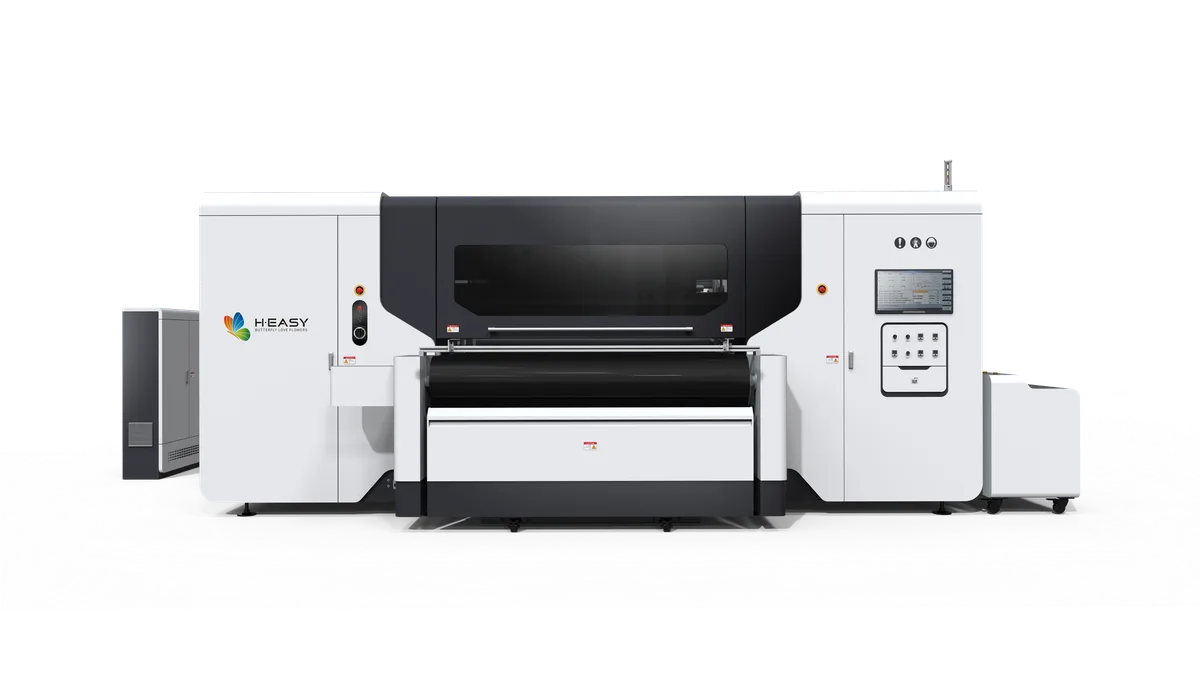
Digital Textile Sampling Workflow: From Design to Approval
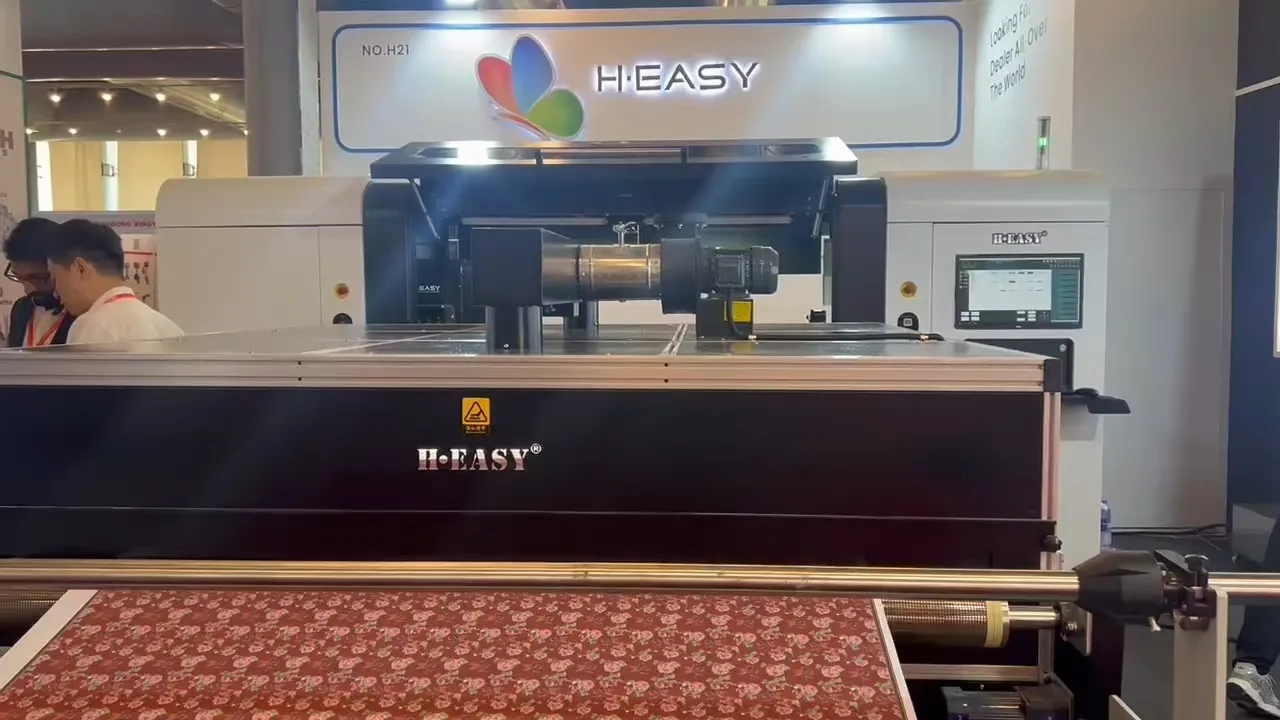
Digital textile sampling is valuable because it removes screen preparation from the design-iteration loop. A prepared artwork file can be printed, reviewed and revised without engraving a new screen for each change. That advantage is real, but it is easy to overstate: a fast image on fabric is not automatically a production-valid sample.
A useful sample must answer a defined approval question. It also has to represent the fabric, print chemistry and finishing route that matter to that question. This workflow shows how to use digital printing for faster decisions without turning a convenient mock-up into misleading production evidence.
Decide what the sample must prove
Teams often use the word sample for several different objects. Separating them prevents approval criteria from drifting midway through the job.
- A creative sample checks scale, repeat, placement and overall visual direction. It may be useful before the final substrate or process is locked.
- A color-development sample compares a controlled color target on a named fabric and print route. It needs a stable profile or recipe and a documented finishing path.
- A production-approval sample is the reference for manufacturing. It must use a process and material combination that can represent the intended bulk route.
Digital printing is particularly strong for creative and color development because changing artwork does not require a new physical screen. It can also produce a production approval when bulk will use the same qualified digital route. It should not be presented as proof of a different production process.
Lock the substrate before judging the print
Fabric is part of the imaging system. Fibre chemistry affects which ink route can bond; construction affects ink spread and surface coverage; absorbency and pretreatment affect how a dot holds its shape. A profile made for one material cannot guarantee the same result on another material that merely looks similar.
Identify the intended fibre, construction, surface preparation and finishing route before the color approval stage. If the real production fabric is not yet available, label the output as a creative mock-up and state what it cannot approve. The fabric-process selection guide helps separate pigment, reactive, disperse and transfer routes before sampling begins.
Prepare artwork for the decision, not just the printer
The sample file should expose the risks the team needs to review. Include the actual repeat, important fine detail, critical boundaries and representative areas of ink coverage. Confirm that the color space, embedded profiles, spot color definitions and artwork revision are intentional before the RIP stage.
Keep one source of truth for file naming and revision status. When a designer changes a motif or colorway, the printed label and approval record should make the revision visible. Otherwise an earlier sample can be approved while a later file quietly reaches production.
Digital output still depends on raster preparation, profiling and the chosen print mode. It does not rescue a low-quality source file or an uncontrolled conversion. The practical comparison with analogue production is covered in digital versus traditional textile printing.
Match the ink and finishing route
Sampling is incomplete when it stops as soon as ink appears on fabric. The printed sample must travel through the pretreatment, drying, fixation, washing or curing steps required by its ink chemistry. Skipping or substituting a stage can change color, hand and fastness after the approval has already been signed.
Use the same qualified route that the sample is intended to represent. If a small sample machine and the production line use different inks, heads, profiles or finishing equipment, document the difference and require a later production confirmation. The R2R ink workflow guide explains why reactive, pigment and disperse paths cannot share one generic after-treatment assumption.
Compare digital and screen sampling by purpose
| Decision point | Digital sampling | Screen sampling |
|---|---|---|
| Design change | Update the controlled artwork and RIP input | Revise the separation and prepare the affected screen setup |
| Best use | Fast visual iteration and approval for a matching digital route | Final process proof when bulk will run through screens |
| What it represents | The selected digital ink, profile, fabric and finishing chain | The selected screen, paste, registration and finishing chain |
| Main approval risk | Treating a convenient digital mock-up as proof of another process | Spending setup effort before artwork direction is stable |
This is not a claim that one method is universally cheaper or faster. The result depends on how many iterations are needed, what equipment is already available, which tests the buyer requires and whether sampling and bulk production share a route. Compare the actual setup work and approval purpose rather than applying a generic cost label.
Review the sample in a controlled sequence
Begin with identity: confirm artwork revision, fabric and route. Then inspect the visual result for repeat joins, placement, registration, missing nozzles, banding, edge behavior and unintended marks. Compare critical color against the agreed reference under the shop’s controlled viewing method rather than under whatever light happens to be nearby.
Continue with the characteristics the buyer will experience. Assess hand, surface change and any print-through expectation on the actual construction. Run the agreed fastness or durability method after the complete finishing route. Do not replace a buyer or laboratory method with an improvised soak, rub or scratch test and then describe the result as certified performance.
Record both acceptance and rejection. A rejected sample that identifies a profile, fabric or finishing mismatch can prevent the same fault from being repeated on the next revision.
Avoid the common sampling traps
Approving the image on a substitute fabric
A substitute can help creative review, but its color, spread and hand cannot approve the final material. Mark it clearly and schedule a representative strike off before production release.
Treating the display as the color reference
A monitor and printed textile create color differently. Use the display for artwork work, then make the fabric sample and agreed physical or measured target the approval reference.
Ignoring the finishing process
Color and hand can move after fixation, washing or curing. Approving before the required finishing route creates a reference that production cannot honestly match.
Using digital output to promise screen-production behavior
A digital print may communicate design intent for a future screen job, but it does not prove screen registration, paste deposit or the final hand. The final approval must follow the route that will manufacture the order.
Publishing broad environmental claims
Digital iteration avoids screen preparation for those revisions, which changes the setup materials used. It does not make every digital route automatically waterless or lower impact. Ink chemistry, pretreatment, cleaning, fixation, washing, waste and energy all belong in a real comparison.
Build an approval package that production can reuse
Attach the approved fabric to a record containing the controlled artwork revision, substrate identification, print route, profile or recipe reference, pretreatment and finishing path, operator observations and approval status. Keep the sample protected from contamination and uncontrolled light so it remains a useful comparison.
When production starts, compare the first qualified output with that package. If the production machine or process differs from sampling, treat the first production confirmation as a new approval gate rather than assuming the sample will transfer unchanged.
Choose sampling equipment by process fit
For an in-house sample line, repeatability and process match matter more than a headline speed. The operator needs stable media handling, an appropriate ink route, controlled profiling, serviceable maintenance access and a way to record the settings that produced the approved fabric.
The direct-to-fabric workflow page shows how current ink routes fit into a textile line, while the roll-to-roll printer family provides the current equipment context. Select the route first, then decide whether a digital sample is a creative aid, a color-development tool or the true production reference.