
From One HY-1816 to Four H·EASY Digital Textile Pigment Printers
- Vietnam
- Repeat customer
- HY-Series Direct-to-Fabric R2R Printers
- Sep 16, 2026
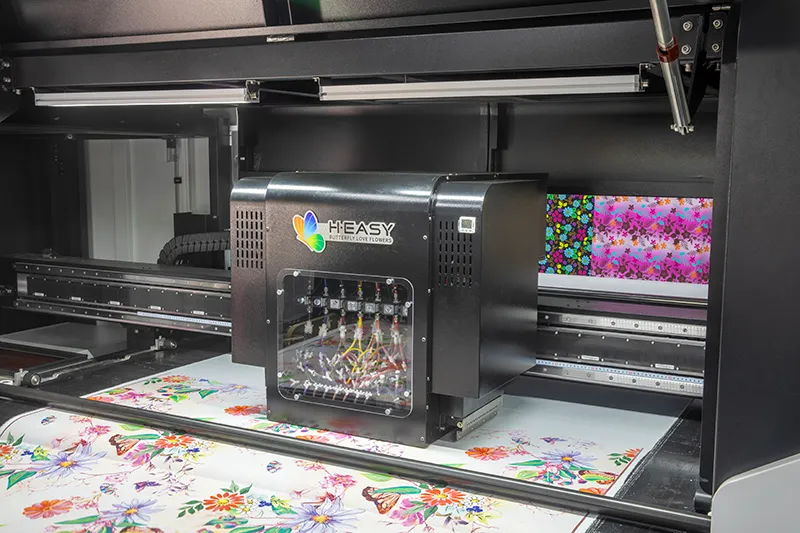
Deployment results
| Units installed | Estimated 8-hour output · 2-pass | Location |
|---|---|---|
| 4 machines | ~18,240 m²/day | Vietnam |
A Vietnam textile dyeing and printing company started with one HY-1816 for pigment direct printing on cotton fabric. After testing it with real production orders, the customer added three HY-2232 machines, bringing the site to four digital textile pigment printers.
Case Snapshot
| Item | Details |
|---|---|
| Customer Location | Vietnam |
| Customer Type | Listed textile dyeing and printing company |
| Printing Process | Pigment direct printing |
| Fabric | Cotton fabric |
| Print Mode | 2-pass |
| First Machine | 1 × H·EASY HY-1816 |
| Expansion Machines | 3 × H·EASY HY-2232 |
| Total Machines | 4 machines |
| Estimated 8-Hour 2-Pass Output | About 18,240 m²/day, based on model reference speeds |
| Main Value | Production testing, repeat orders, capacity expansion |
A Production Customer, Not a Trial Buyer
The customer is a listed textile dyeing and printing company in Vietnam with an established traditional printing business. They already had production experience, existing orders and clear capacity requirements.
For this customer, the key question was not whether digital printing was needed. It was whether a new digital textile printer supplier could support daily production.
They did not start with a large purchase. They started with one machine, tested it with their own orders, and made the next decision after running it in production.
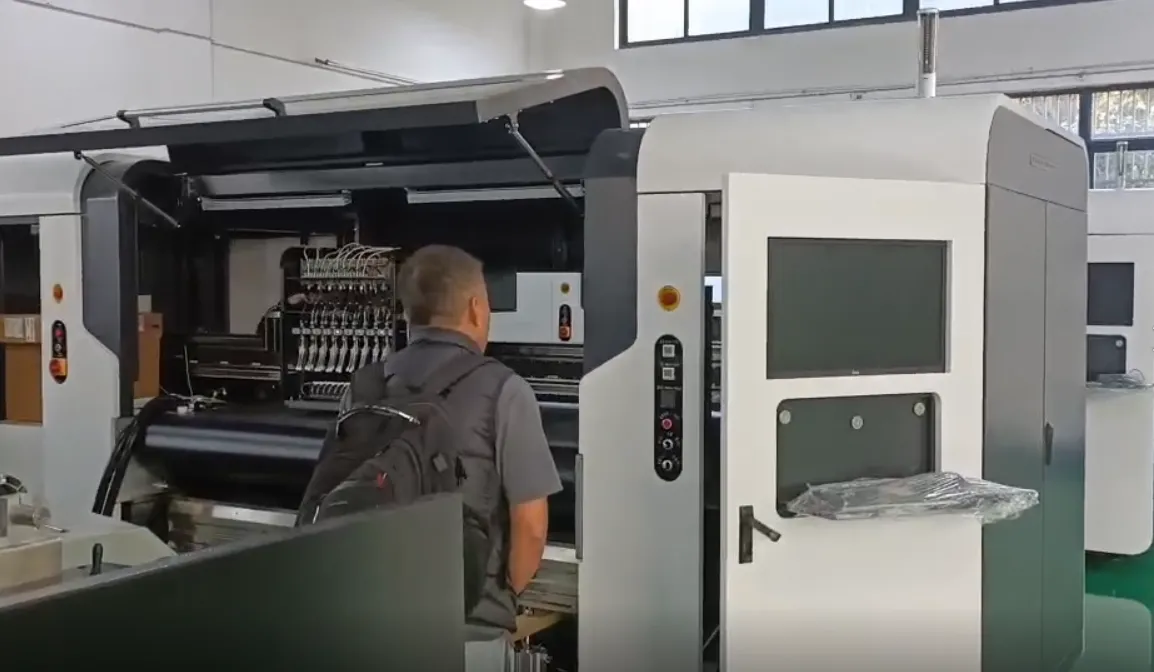
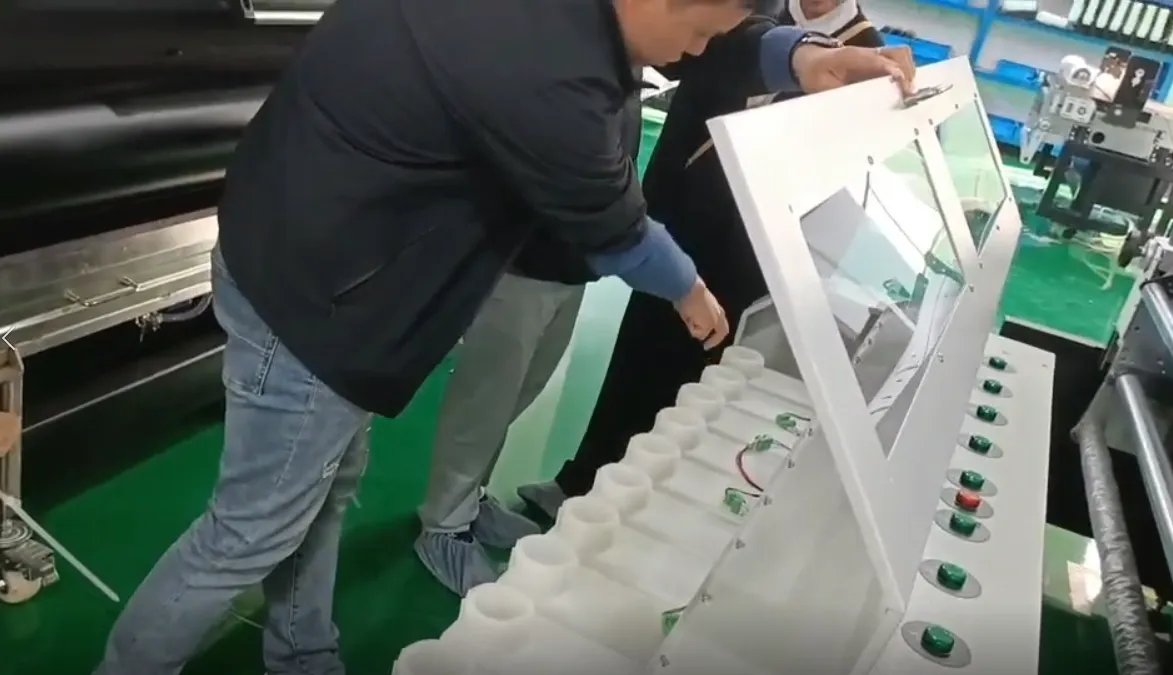
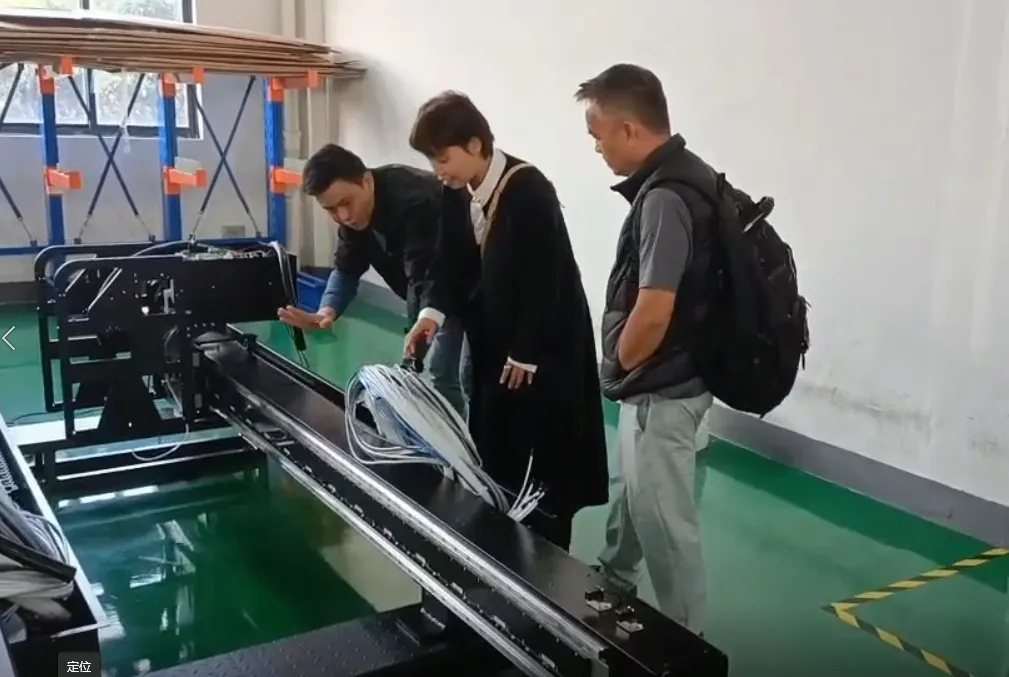
Vietnam customer visiting the H·EASY factory before production expansion.
The Challenge: More Orders Than Existing Capacity
The customer already had demand from its textile printing business, but its existing production capacity was under pressure.
They needed a digital textile printing solution that could:
- support pigment direct printing on cotton fabric;
- run in real factory production conditions;
- handle 2-pass production orders;
- deliver stable output for repeat orders;
- reduce the risk of scaling from one machine to multiple machines.
For a traditional dyeing and printing company, buying one machine is not difficult. The harder decision is whether the equipment is suitable for daily production.
The Solution: Start with HY-1816, Scale with HY-2232
The customer first purchased one H·EASY HY-1816 and used it for pigment direct printing on cotton fabric.
After running the machine in their own factory and testing it with real orders, they moved to larger-capacity H·EASY machines. Over the next two months, the customer added three HY-2232 machines, one at a time.
One HY-1816 for testing → Real production verification → Three HY-2232 machines for capacity expansion → Four H·EASY machines on site.
The repeat-order sequence documents a step-by-step expansion after use of the first machine; it does not establish a measured return on investment or an actual daily output figure.
Real Production Video from the Customer’s Factory
The video shows the customer’s pigment direct printing production site in Vietnam.
Estimated 8-Hour Production Capacity in 2-Pass Mode
The following figures multiply the published 2-pass reference speed of each model by quantity and eight hours. They are estimates, not verified sellable output from the customer’s factory.
| Machine | Quantity | 2-Pass Reference Speed | 8-Hour Estimated Output |
|---|---|---|---|
| HY-1816 | 1 | 330 m²/h | About 2,640 m²/day |
| HY-2232 | 3 | 650 m²/h each | About 15,600 m²/day |
| Total | 4 | Not applicable | About 18,240 m²/day |
Actual output depends on fabric, ink, artwork coverage, operating conditions and the customer’s sellable-quality standard.
Machines Used in This Vietnam Customer Case
| Model | Quantity | Print Width | Printheads | 2-Pass Speed | Role in This Case |
|---|---|---|---|---|---|
| H·EASY HY-1816 | 1 | 1800 mm | 16 pcs Ricoh Gen6 | 330 m²/h | First machine for production testing |
| H·EASY HY-2232 | 3 | 2200 mm | 32 pcs Ricoh Gen6 | 650 m²/h | Capacity expansion after production testing |
Both models belong to the HY-Series direct-to-fabric roll-to-roll printer range.
Why This Repeat Order Matters
The strongest part of this case is not only the number of machines. It is the order sequence.
The customer did not purchase four machines at once based on a sales presentation. They started with one HY-1816, ran it in production, checked the output, and then added more machines step by step.
For production customers, repeat orders usually reflect practical concerns:
- machine stability;
- print consistency;
- production efficiency;
- operator acceptance;
- after-sales support;
- confidence in future expansion.
These are general considerations, not a claim that this customer individually verified or endorsed each item. The case offers a reference for textile factories that want to add digital printing capacity step by step.
What This Case Means for Textile Printing Factories
This Vietnam customer case is relevant for factories that already have traditional dyeing or printing capacity but want to add digital production lines.
Digital textile pigment printers can help such factories:
- add flexible digital printing capacity;
- process small-batch and repeat orders more efficiently;
- print cotton fabric with pigment direct printing;
- expand production step by step instead of investing all at once;
- use digital printing as a complement to traditional printing lines;
- respond faster to market demand and design changes.
From Factory Visit to Production Expansion
The customer visited the factory, examined the equipment and printed fabric, then expanded from the first HY-1816 to three additional HY-2232 machines after production use.
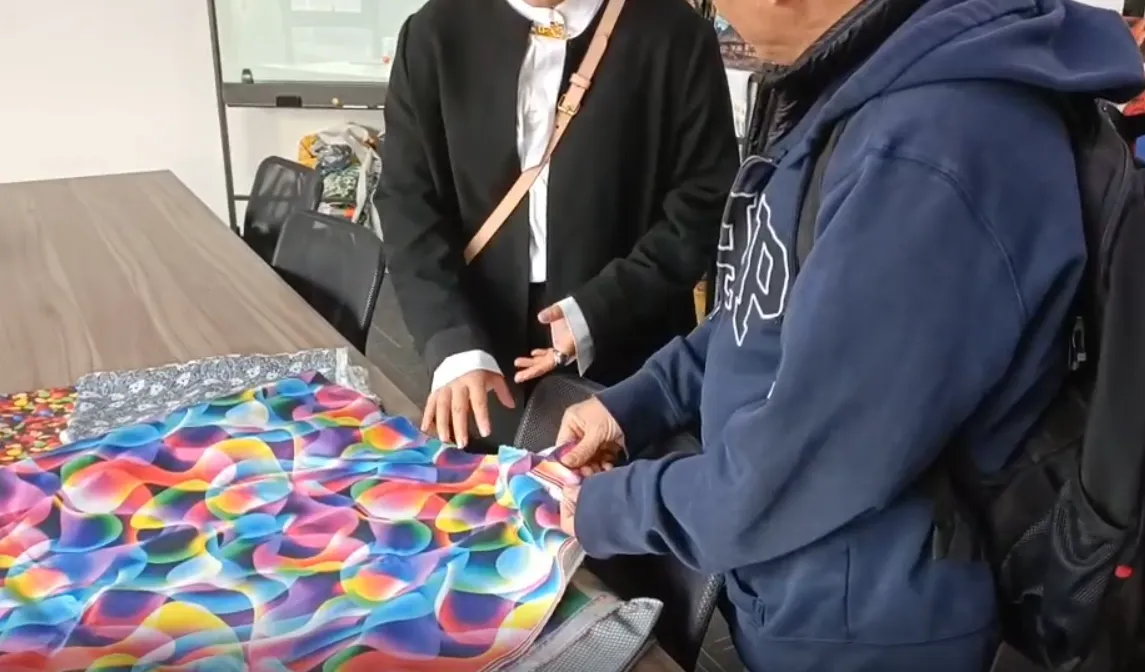
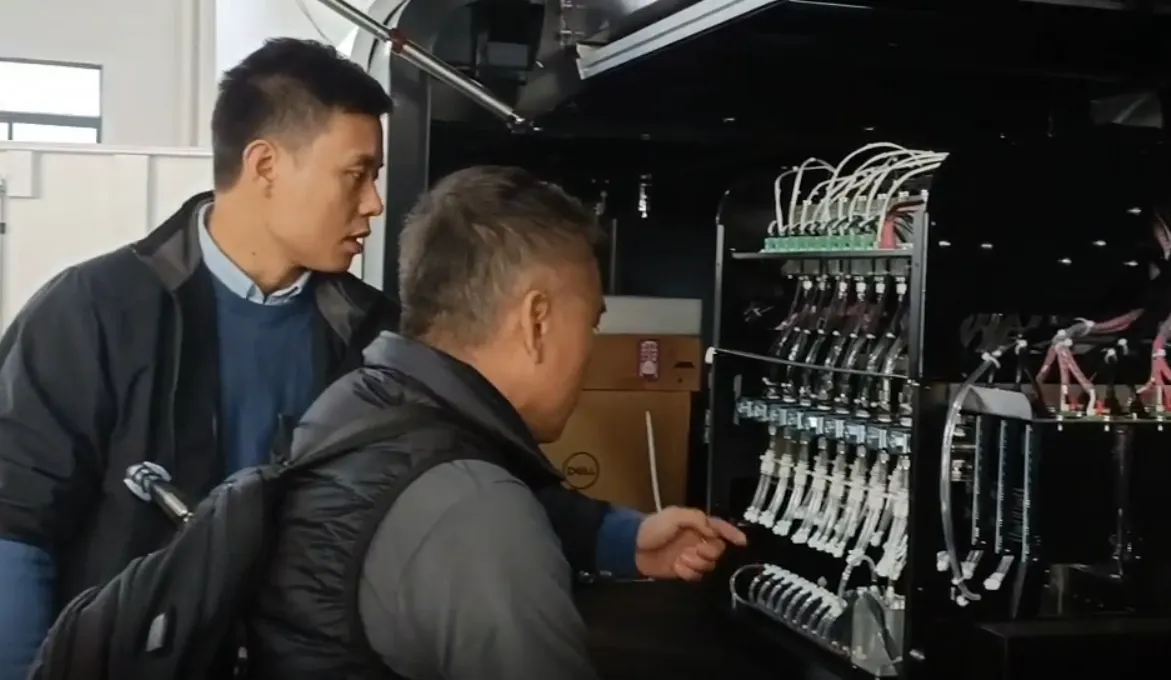
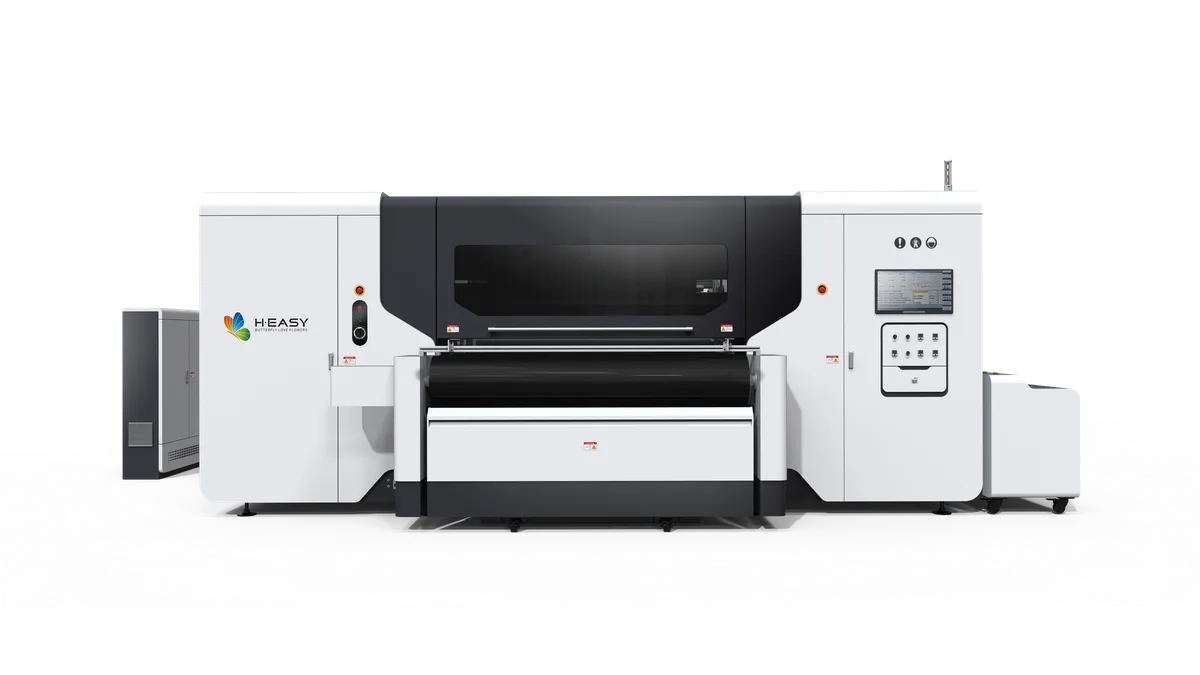
1.8m to 2.6m standard R2R printers (3.2m HY-3264/HY-3296 on request), 8 to 96 Ricoh Gen6 heads and model-specific 2-pass / 3-pass references for silk, cotton, polyester and home textiles.
View specifications →More deployments
Planning a similar line?
Tell us your fabric, output target and market. We reply with a configured recommendation, lead time and budget within one business day.