
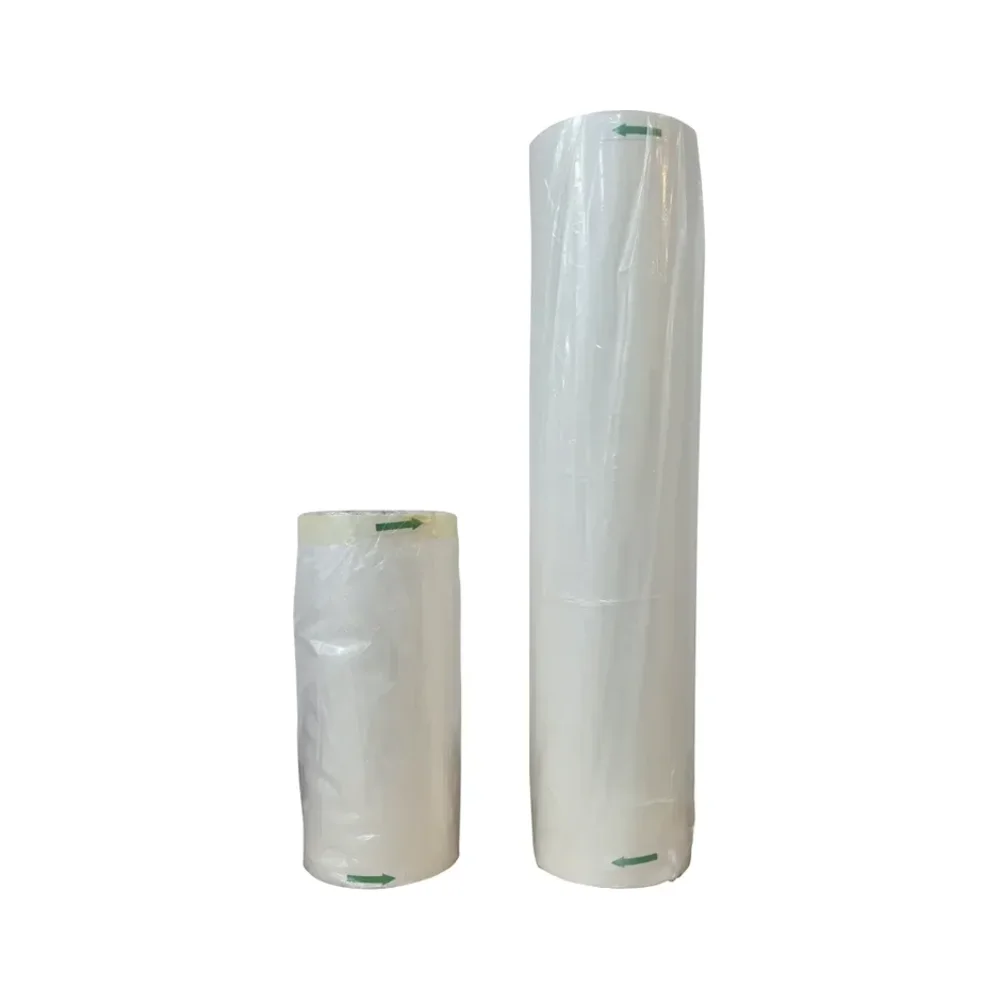
DTF Transfer Film, 30 cm and 60 cm
PET transfer film in 30 cm and 60 cm rolls of 100 m, matched to the print widths of our DTF printers.
- DTF
- Roll widths
- 300 mm and 600 mm
- Roll length
- 100 m per roll
- Core
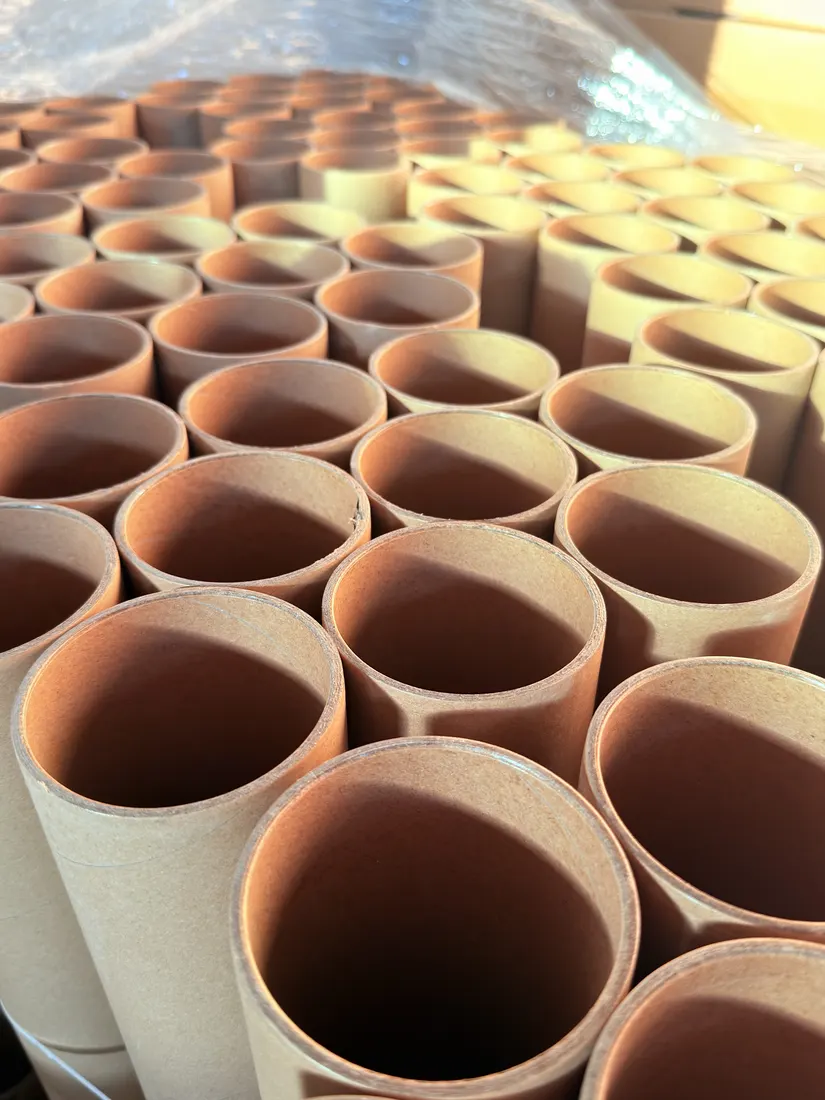
- Paper core, film supplied wrapped
What it runs on
Compatibility with your exact machine, printhead and the ink currently in it is confirmed at quotation. Changing chemistry without a correct flush damages printheads.
What it prints
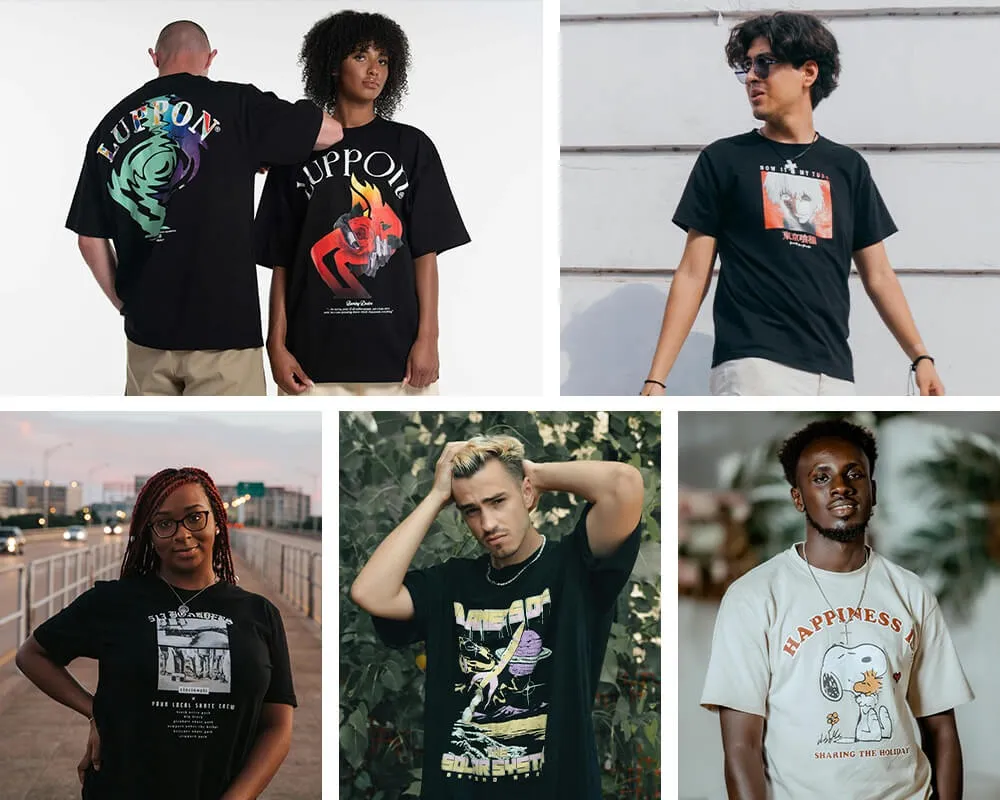
Output from this route on production fabric. Your own substrate is sampled before you commit to volume.

What DTF film does in the process
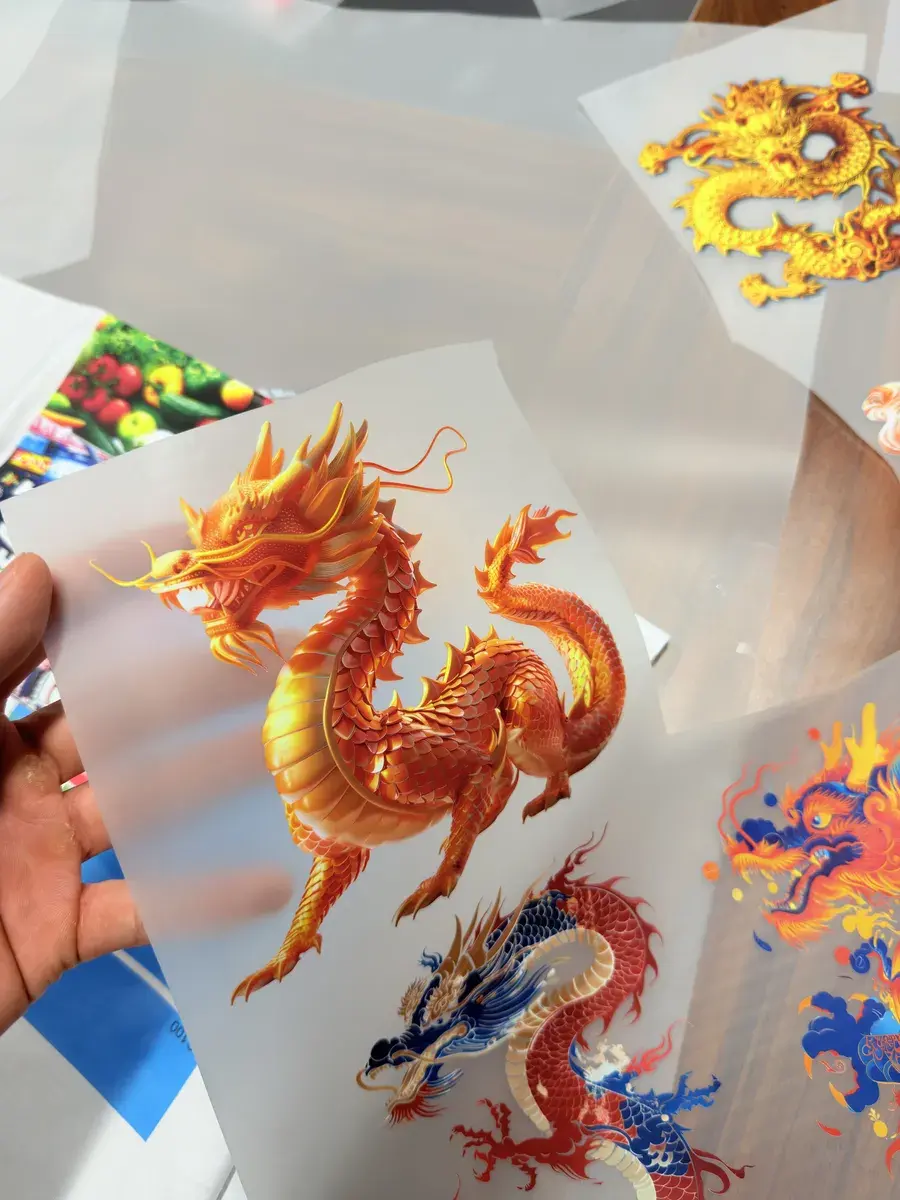
DTF film is the carrier. The printer lays CMYK and white onto its coated side, hot-melt powder is shaken onto the wet ink and cured, and the film then holds that whole sandwich until a heat press moves it onto the garment. The coating is what makes it work: it has to hold ink without spreading it, keep the powder where it lands, and then release cleanly at the press.
That makes it the least glamorous and most under-rated part of a DTF line. A line that prints and cures perfectly still fails at the peel if the film is wrong for the powder, and the symptom usually gets blamed on something else. The ultimate guide to DTF film covers how the layers interact.
Widths matched to the machines
The two roll widths exist to match the two print widths on our DTF line: 30 cm for the HY-401 and 60 cm for the HY-702. Both come in 100 m rolls.
Matching matters more than it sounds. A film narrower than the print width clips the image edge; a wider one lets powder fall past the film where the shaker cannot recover it, which then bakes onto the dryer.
Coated, slit and stocked in-house
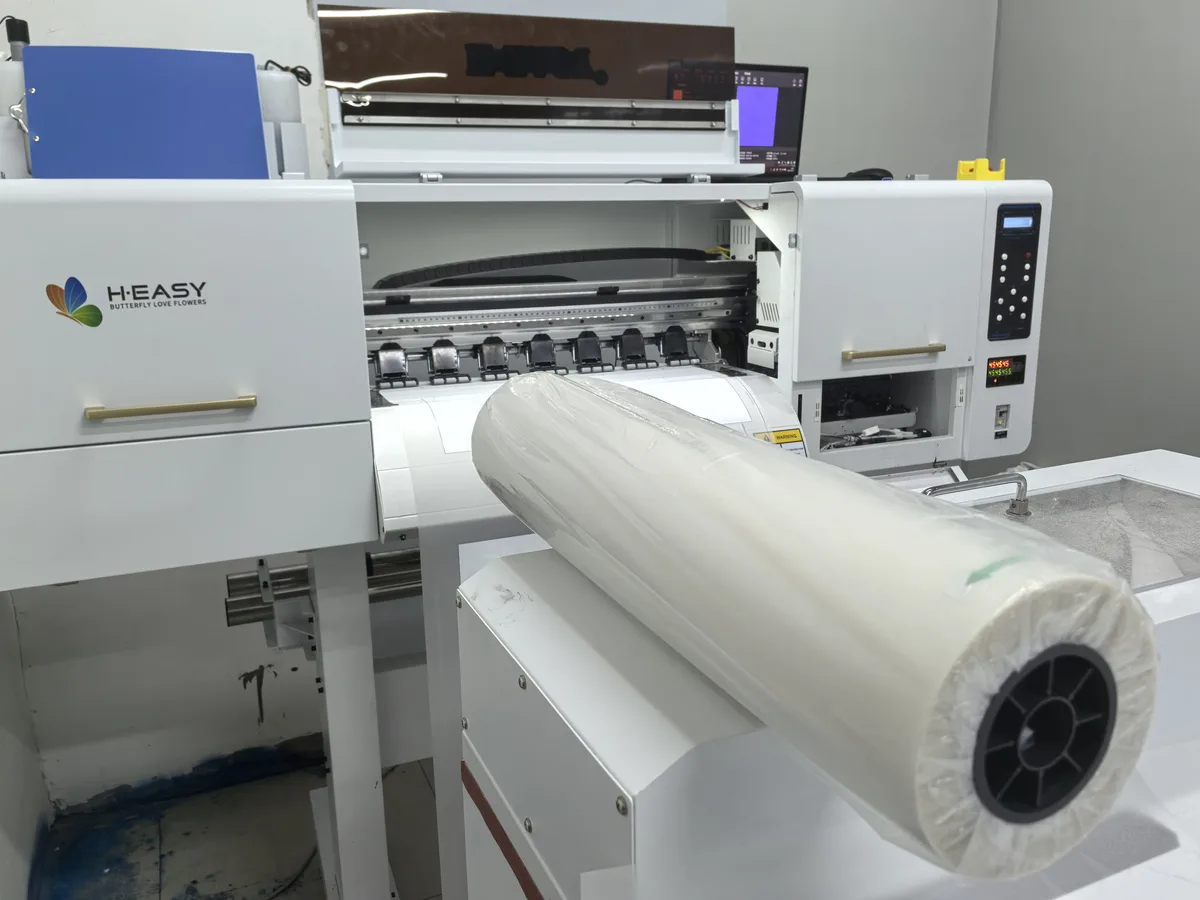
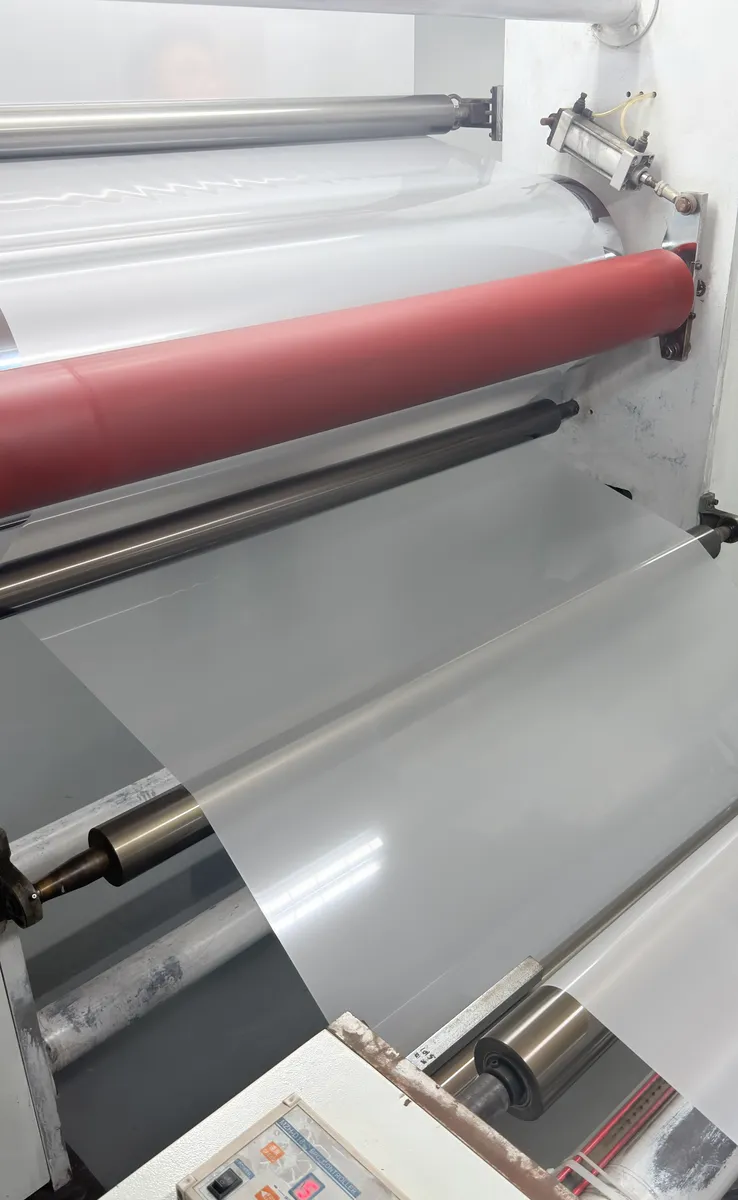
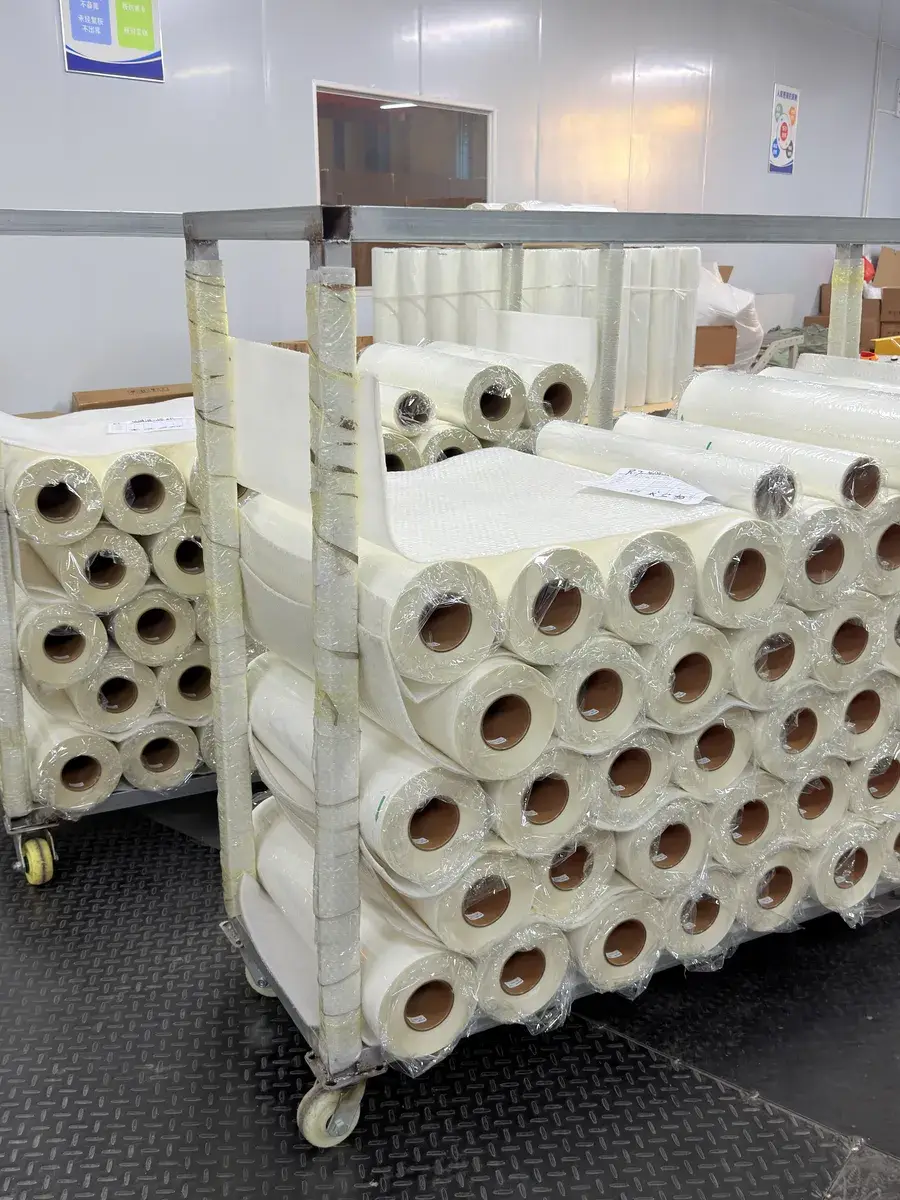
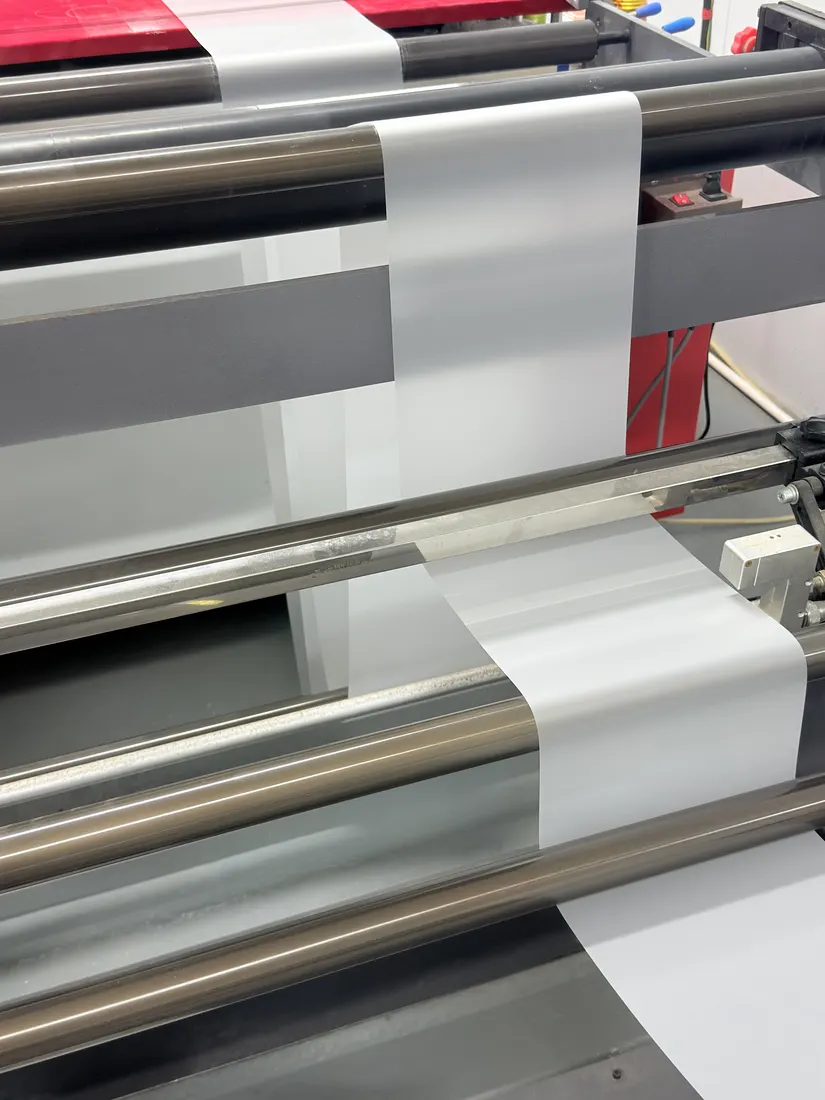
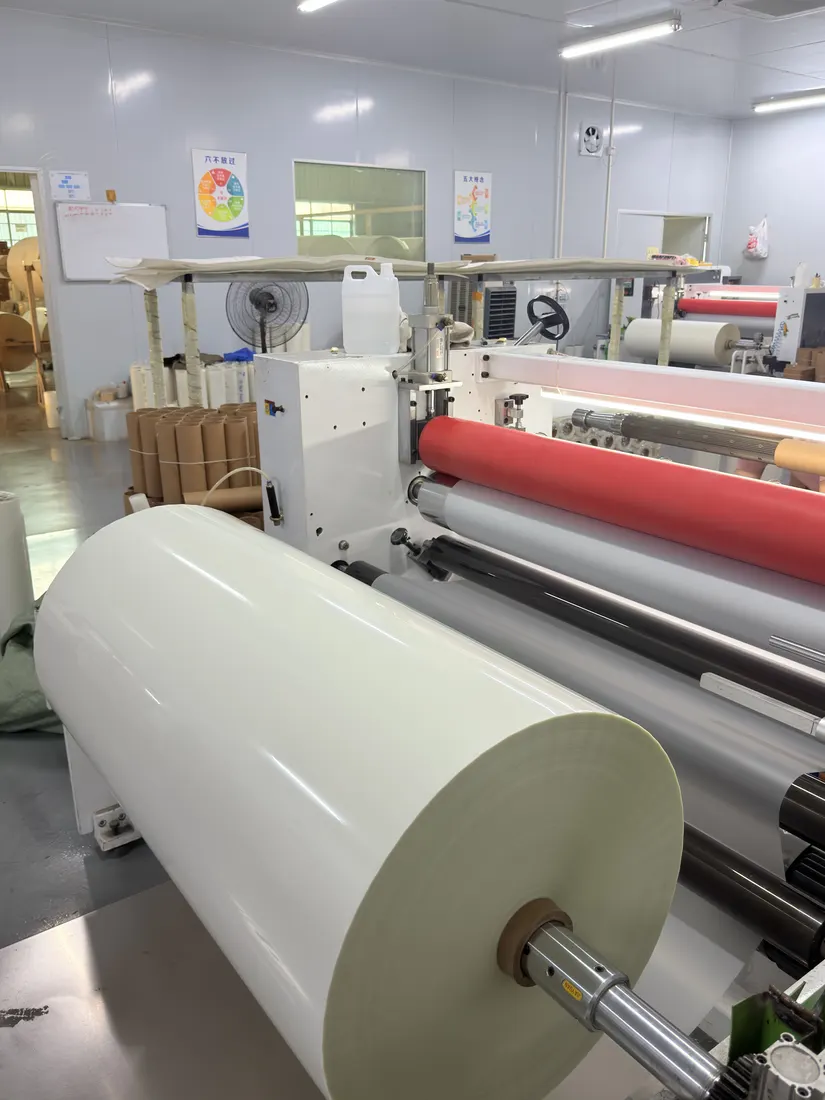
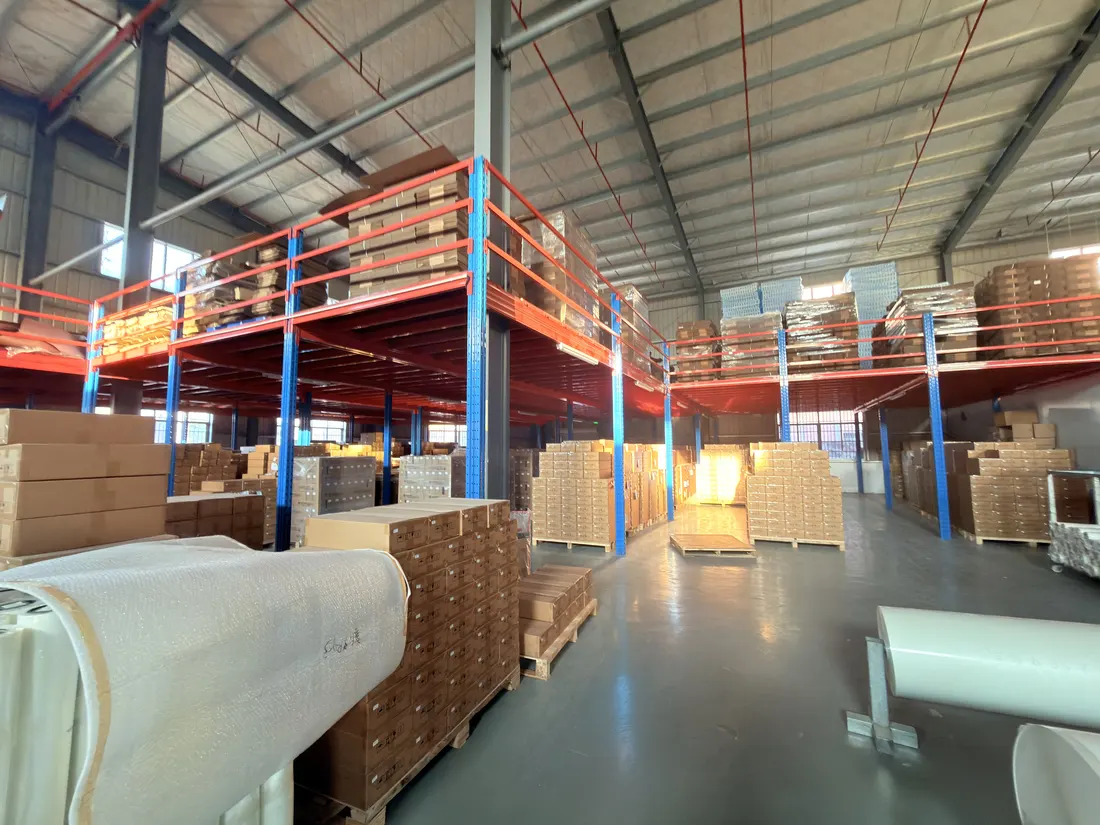
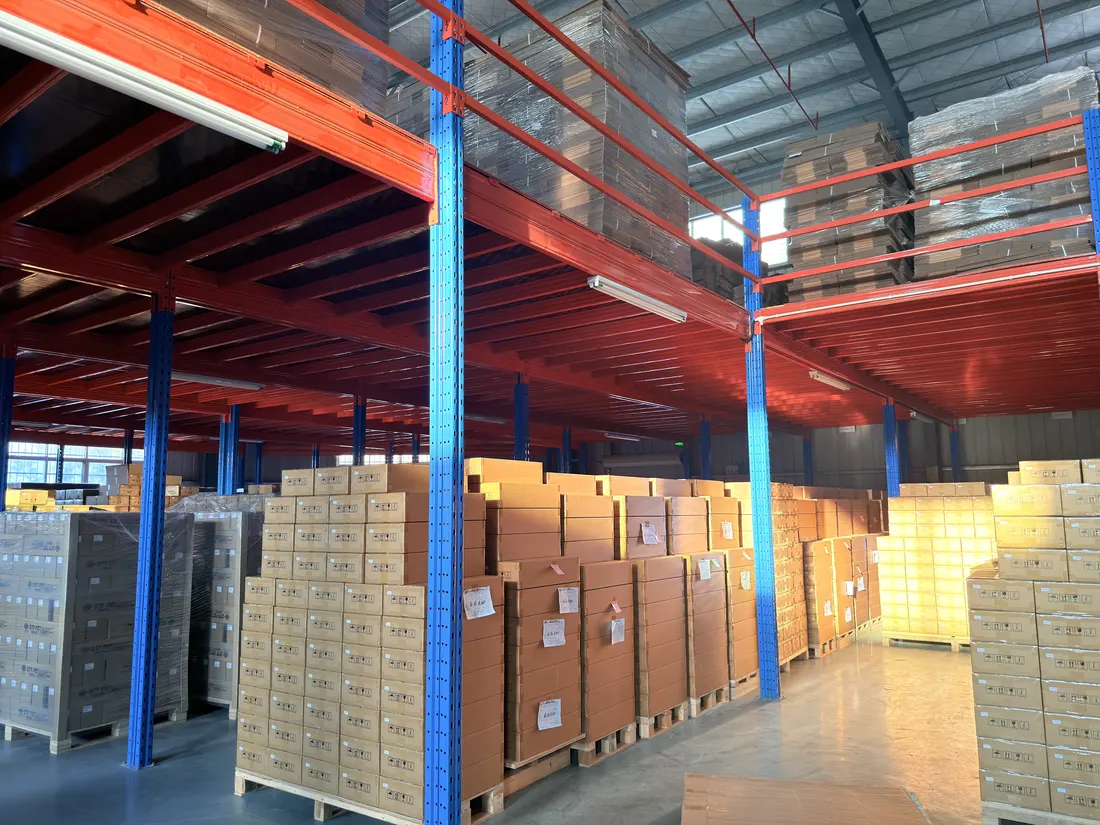
The film is converted on our own line rather than bought in finished. The web is coated, slit to 300 mm and 600 mm, wound onto cores and wrapped in the same plant, and the finished rolls are held in our own warehouse.
Two things follow from that, and both matter to you rather than to us:
- The widths exist because the printers exist. 300 mm and 600 mm are not catalogue sizes we happen to stock - they are slit to match the HY-401 and the HY-702. A converter serving the general market slits to its own list, and you take whichever size fits worst.
- Lead time is ours to answer. Stock sits in our own warehouse, so a reorder is a picking job rather than a purchase order joining somebody else’s queue.
One boundary worth stating plainly, because the industry is loose about it: we coat and convert the film, we do not produce the PET base itself. Plenty of suppliers say “we make our own film” and mean exactly what we mean; a few mean the substrate too. Ask any supplier which one they are.
Qualify the stack, not the film
Film, ink and powder only make sense together:
- Print your real artwork - heavy white coverage is where films differ most.
- Use the powder you actually intend to buy, at the particle size you will reorder.
- Cure through your own dryer, at your measured temperature rather than the setpoint.
- Press onto your own garments and wash-test them before committing.
DTF powder size and the curing window explains why powder and curing dominate the outcome, and DTF heat transfer adhesion covers what to change when transfers lift at the edges.
What we can state, and what we cannot
Roll width, roll length and packaging are established. Film thickness, coating type, peel behaviour and release temperature are not published here, because we have no current datasheet to point at and will not print a number we cannot source.
Because the film is converted on our own line, those figures are answerable for a given run rather than lost in a supply chain. Ask, and they are confirmed against the batch you are quoted.
Supply
The film is supplied unbranded: the roll carries no printed mark, and we do not print one on it. That is a deliberate choice rather than an omission - a transfer shop reselling finished prints has no use for somebody else’s logo on the consumable, and buyers who private-label their own output generally prefer it that way.
Request a sample roll before you commit to a pallet. Film is the cheapest part of the stack to test and the most expensive to get wrong at volume, because a release problem does not show up until the press stage, after the ink and the powder have already been spent.
Inside the line
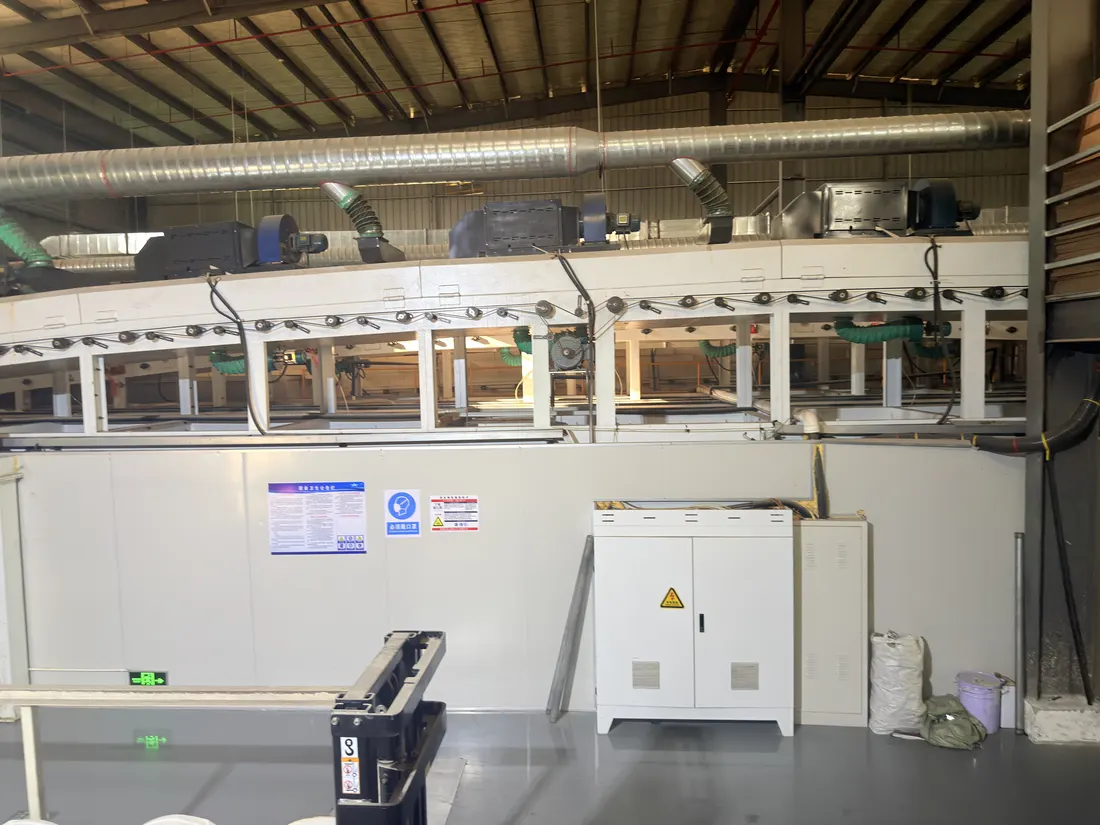
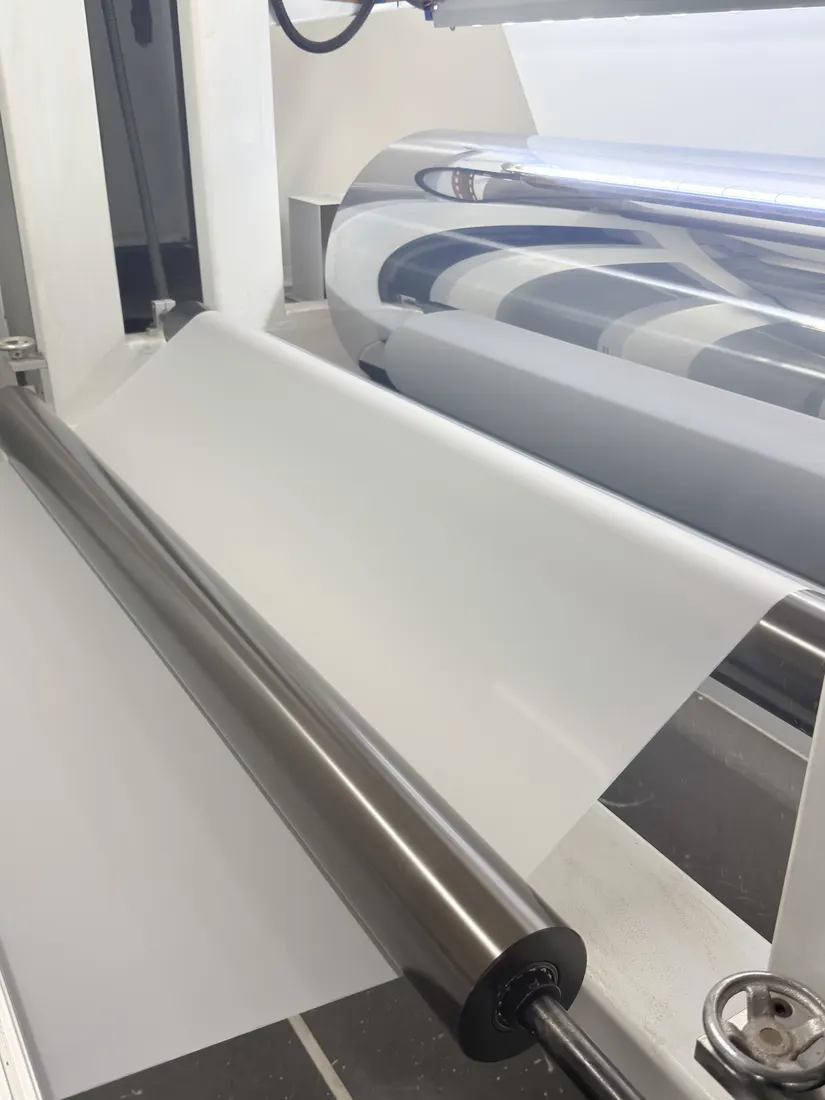
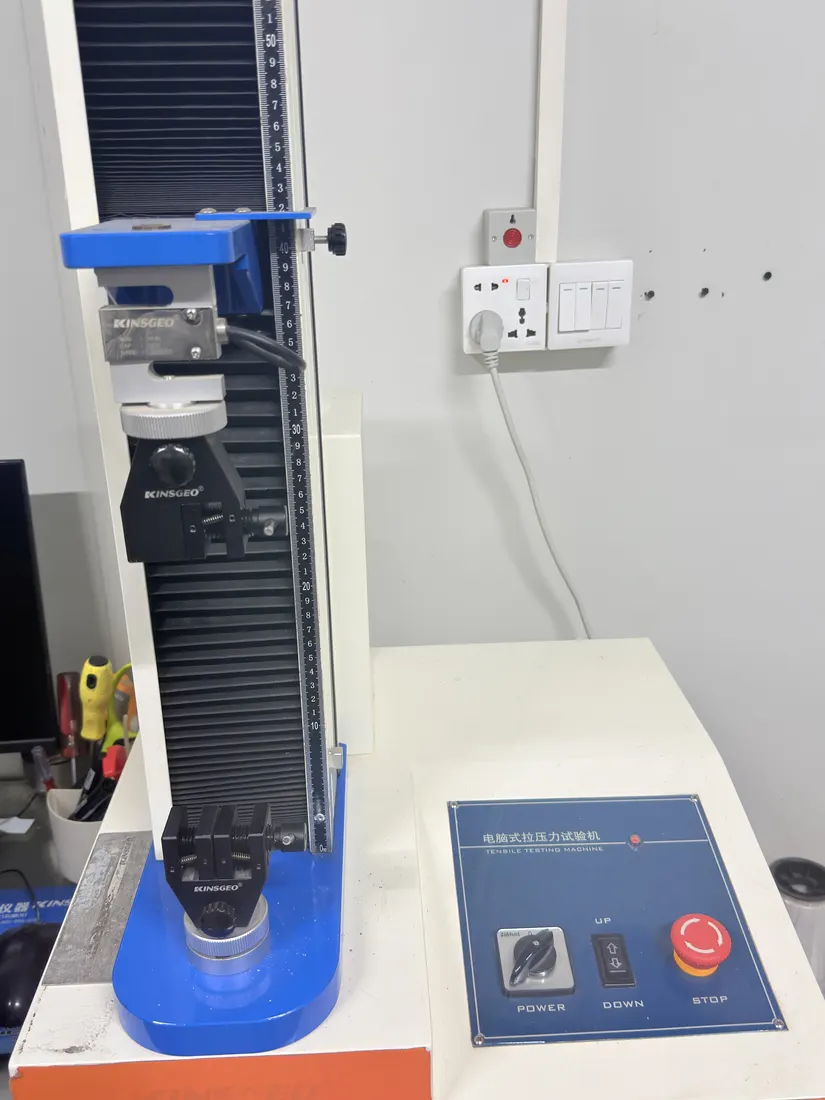
Coating, slitting, winding and stock, in the plant this is converted in. Visits are welcome by appointment.
Shipping and safety documentation
Safety data sheet
Not currently held on file
Dangerous goods
Not classified as dangerous goods
Minimum order and lead time
Quoted per destination and quantity. Tell us your machine model and monthly consumption.
Frequently asked questions
Which film width matches which printer?
The 30 cm roll matches the HY-401 30 cm printer and the 60 cm roll matches the HY-702 60 cm printer. Running a film narrower than the print width wastes the edge of the image; running it wider risks powder landing where the shaker cannot clear it.
Does the film need to match the ink and powder?
Yes. Transfer quality comes from the whole stack - film coating, white ink density, powder particle size, curing window and press settings. A film that performs well with one powder can release badly with another, so qualify the three together rather than swapping one at a time.
Cold peel or hot peel?
Peel behaviour is a property of the specific film coating, and we do not publish it for this roll without a datasheet to point at. Confirm the peel type for the batch you are quoted before you build a production routine around it.
How should film be stored?
Flat or upright in its wrapping, away from heat and direct sunlight, in a place that does not swing in humidity. Coated PET picks up moisture, and damp film is a common hidden cause of powder adhesion problems that get blamed on the powder.
Tell us your machine and your monthly volume
We quote consumables against a specific machine, printhead and ink set, not from a catalogue line, because that is the only way the answer is useful.